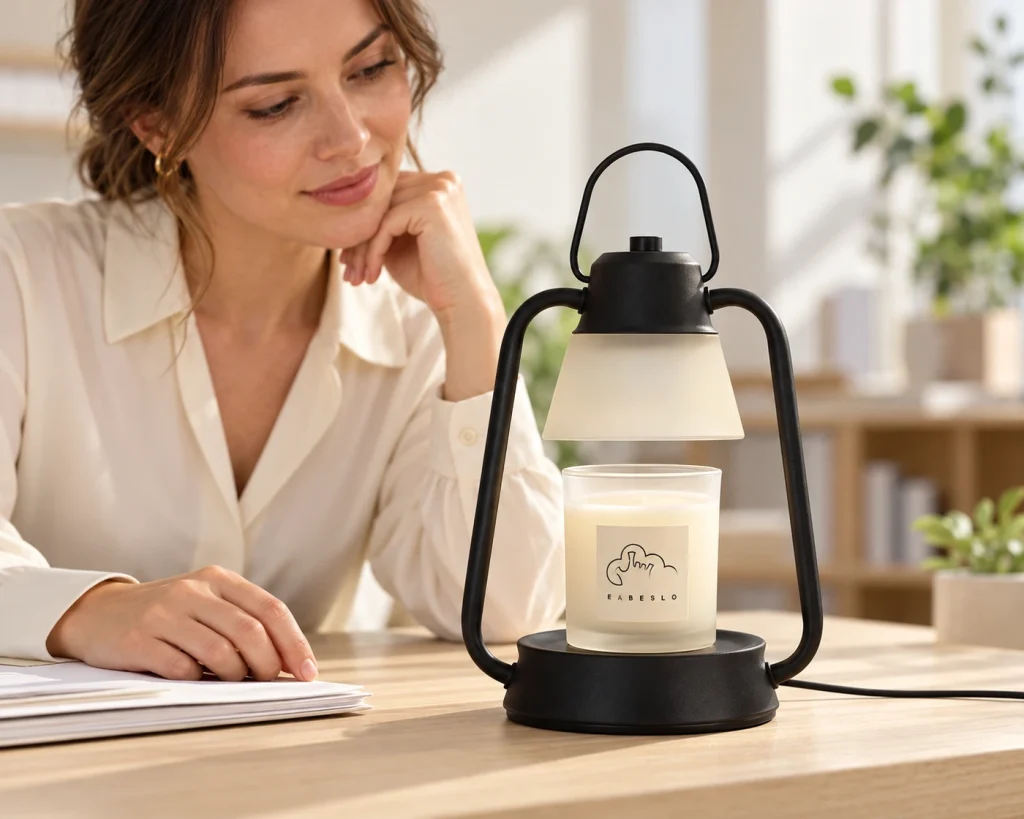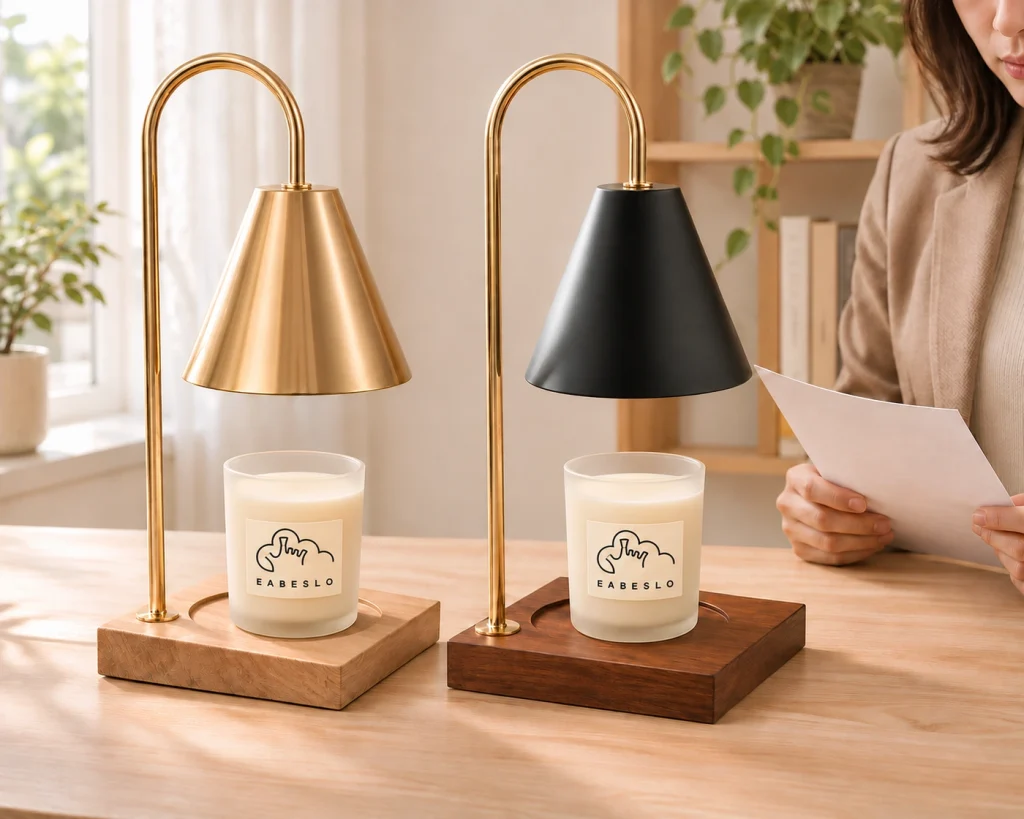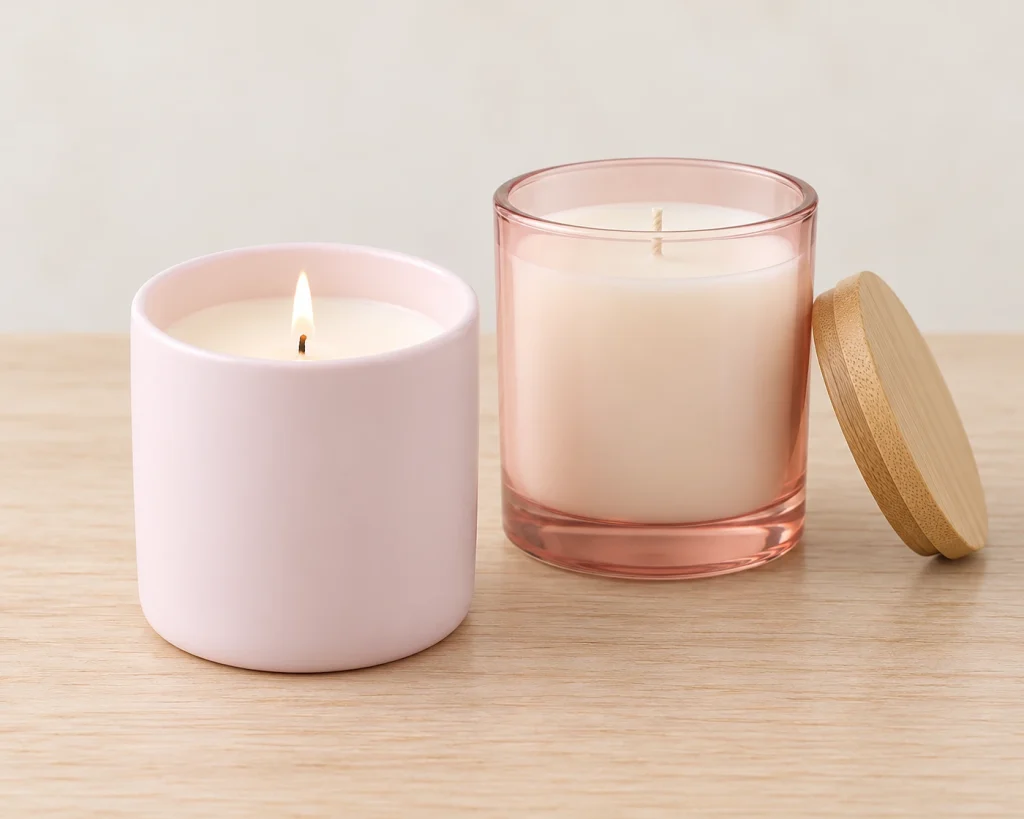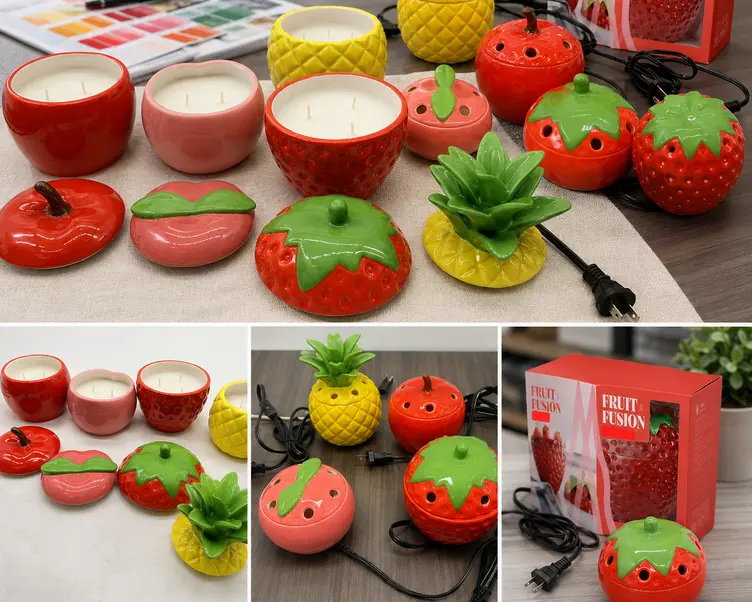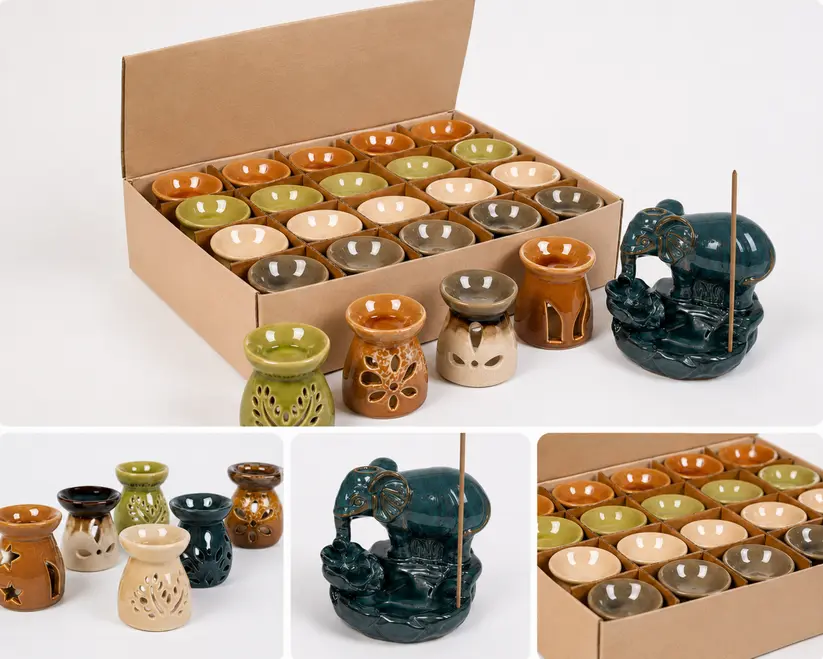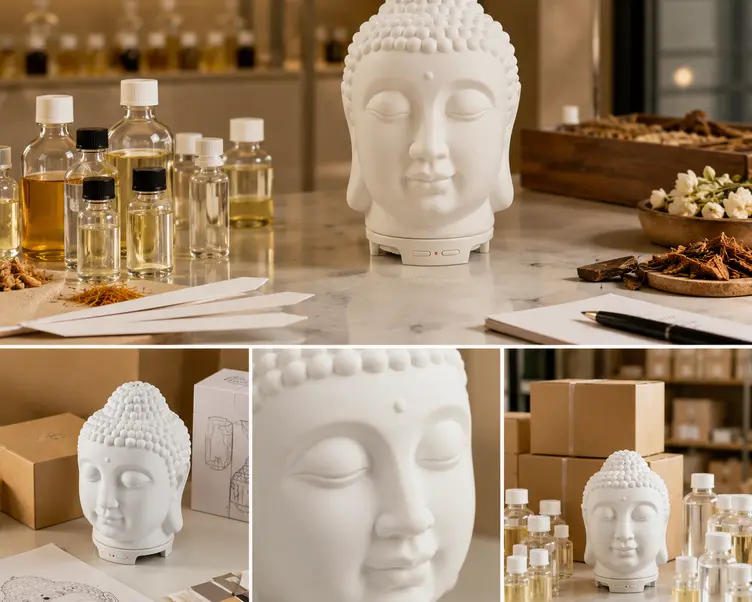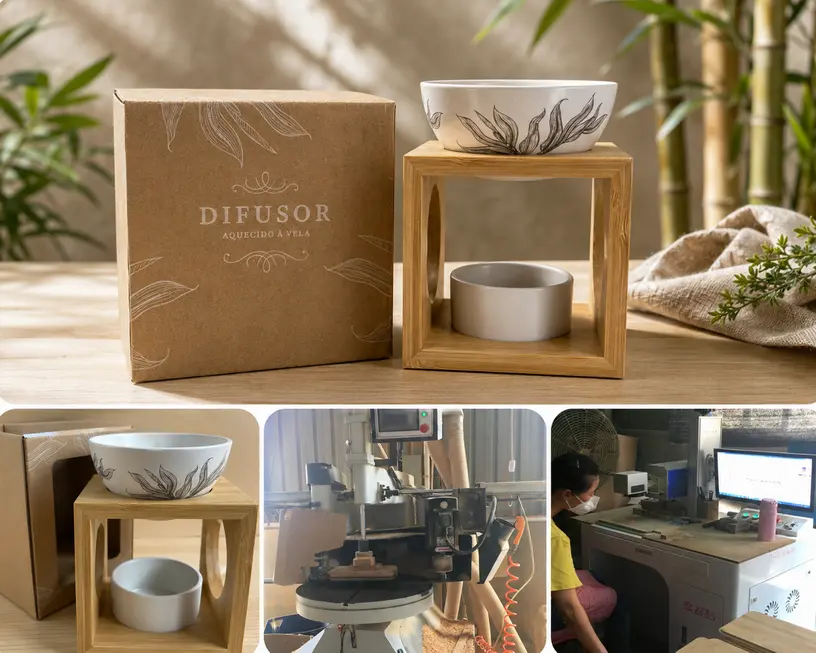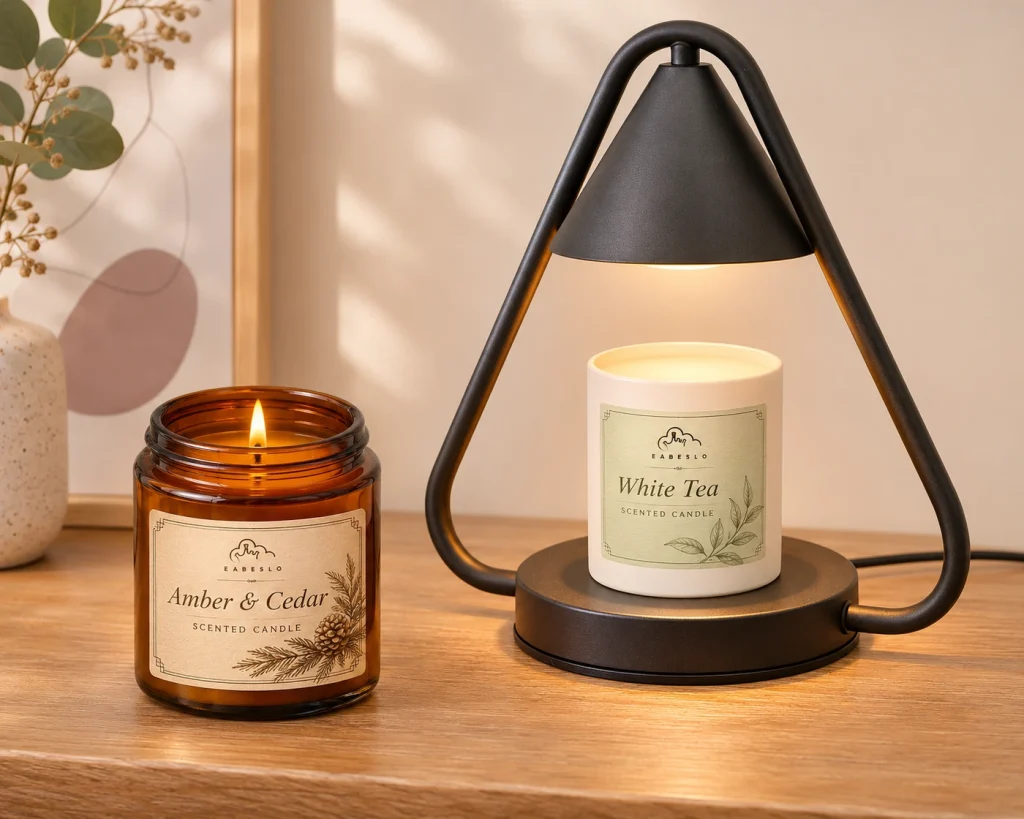
A candle warmer lamp offers a way to enjoy a scented jar candle without lighting the wick. Burning offers the familiar combination of fragrance and a living flame. For candle brands and retailers, the choice involves more than appearance: it changes how customers experience the fragrance, care for the candle and use the product at home.
Neither method guarantees a stronger scent in every case. A useful comparison starts with the actual candle and, for warming, the lamp intended to accompany it. This guide focuses on top-down lamps that use a heat-producing bulb to melt jar candles from above, which requires matching the jar’s height and diameter to the lamp’s clearance and heating area. Wax-melt dishes and plates that heat jars from underneath are different formats.
Does Burning a Candle Produce a Stronger Fragrance?
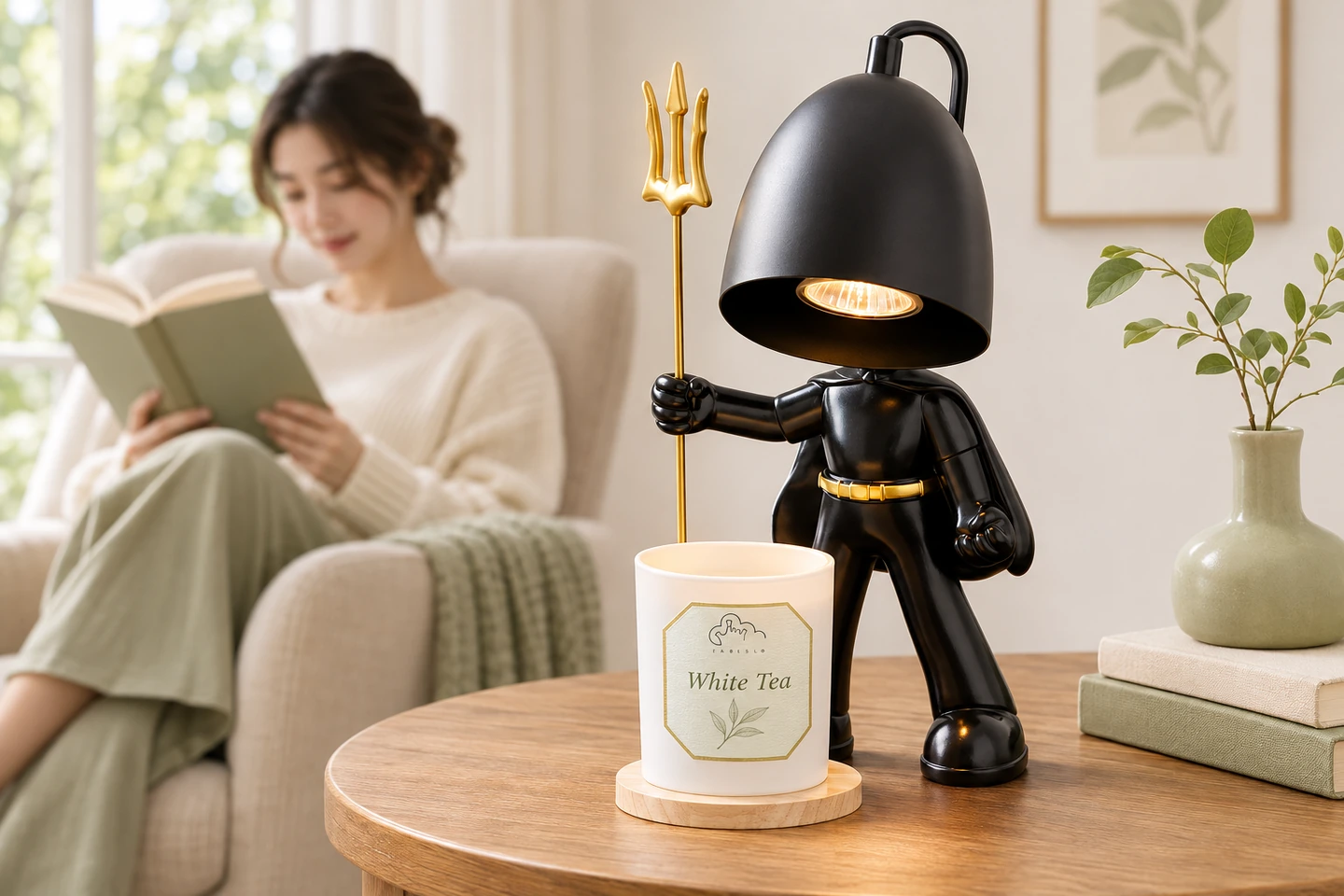
Some customers have told Green-Life that their scented candles smell stronger when lit than when heated under a warmer lamp. This is useful feedback for brands considering a lamp accessory.
Fragrance performance depends on the product combination. A burning candle relies on its wax, fragrance, wick and vessel working together. A lamp introduces a different heat source, with its own bulb, setting and distance from the wax. A candle that performs well when burned therefore needs a separate assessment under the proposed lamp.
During burning, fragrance strength is closely tied to the candle’s formulation, wick selection and the resulting pool of melted wax. For a brand, this means that a disappointing result should be investigated as a product combination rather than attributed to warming or burning alone.
When evaluating a lamp, observe how long the fragrance takes to become noticeable, how strong it feels at a normal seating distance and how it develops during the session. A quickly melted surface is useful information, but the customer ultimately buys the scent experience. Compare the permitted heat settings within the lamp’s instructions and the candle’s confirmed use conditions. Check whether the fragrance remains true to the intended scent and whether the vessel or its decoration shows any changes.
What Changes When the Wax Is Warmed Instead of Burned?
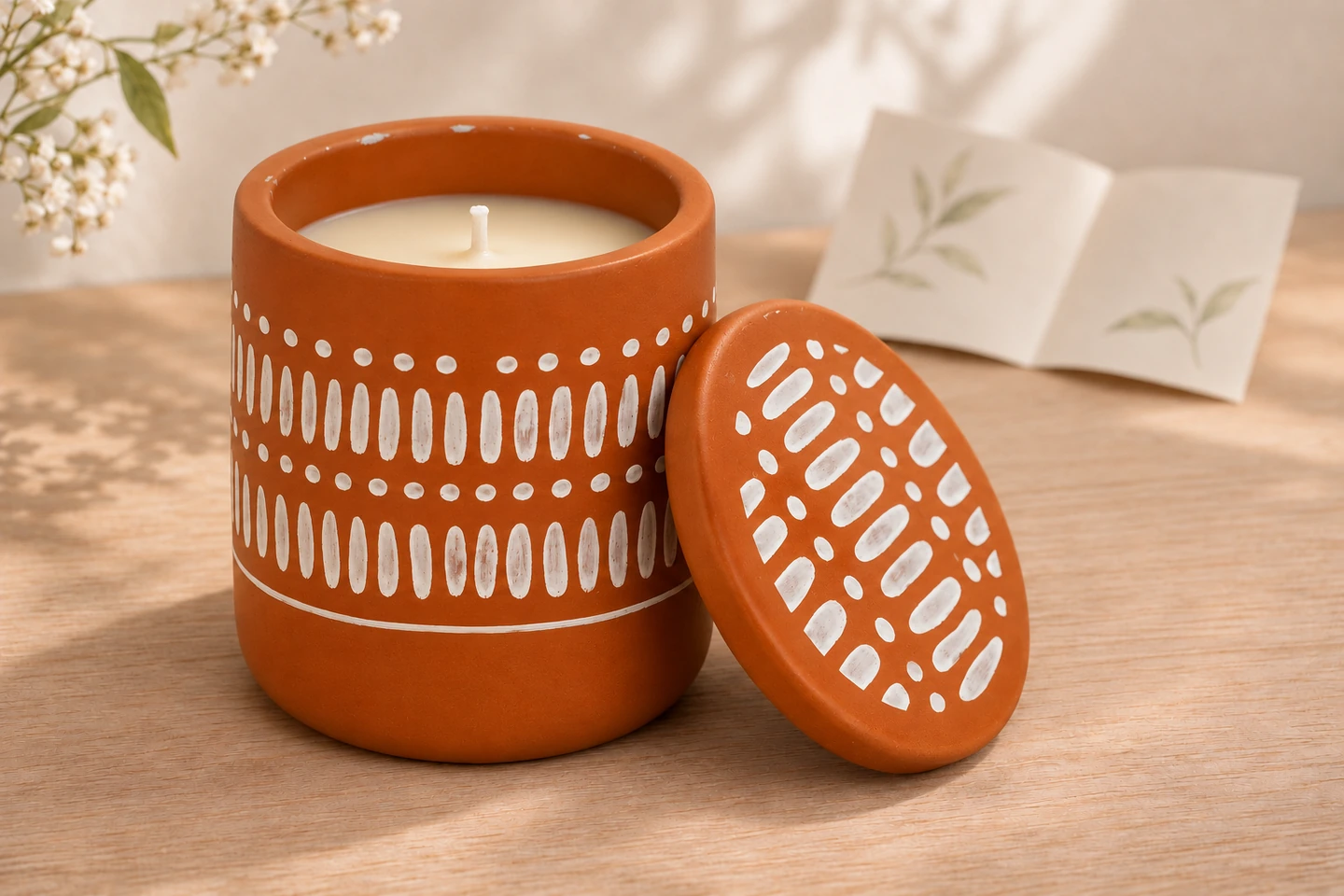
In a burning candle, melted wax travels through the wick and supplies fuel to the flame. As the candle is used, wax is consumed and the level falls.[1] A warmer lamp melts the wax without using the wick as a flame source.
That difference changes how customers judge the remaining life of the product. Under a lamp, the jar can still contain plenty of wax after its fragrance has weakened. The visible amount of wax is therefore a poor guide to how much useful scent remains.
For top-down lamps, some manufacturers advise removing the spent upper layer to expose wax below that still contains fragrance. Brands should confirm the handling method for their own pairing—including how jar opening size and wax consistency affect practical removal—and explain it clearly, covering switching off the lamp and avoiding burns or spills. An illustration can make this maintenance step easier to understand than a vague instruction to “refresh the candle.”
Wax remaining in the jar also does not establish a fixed increase in fragrance life. Claims such as “lasts twice as long” need a defined comparison and supporting results for the products being sold.
How Does Everyday Maintenance Differ?
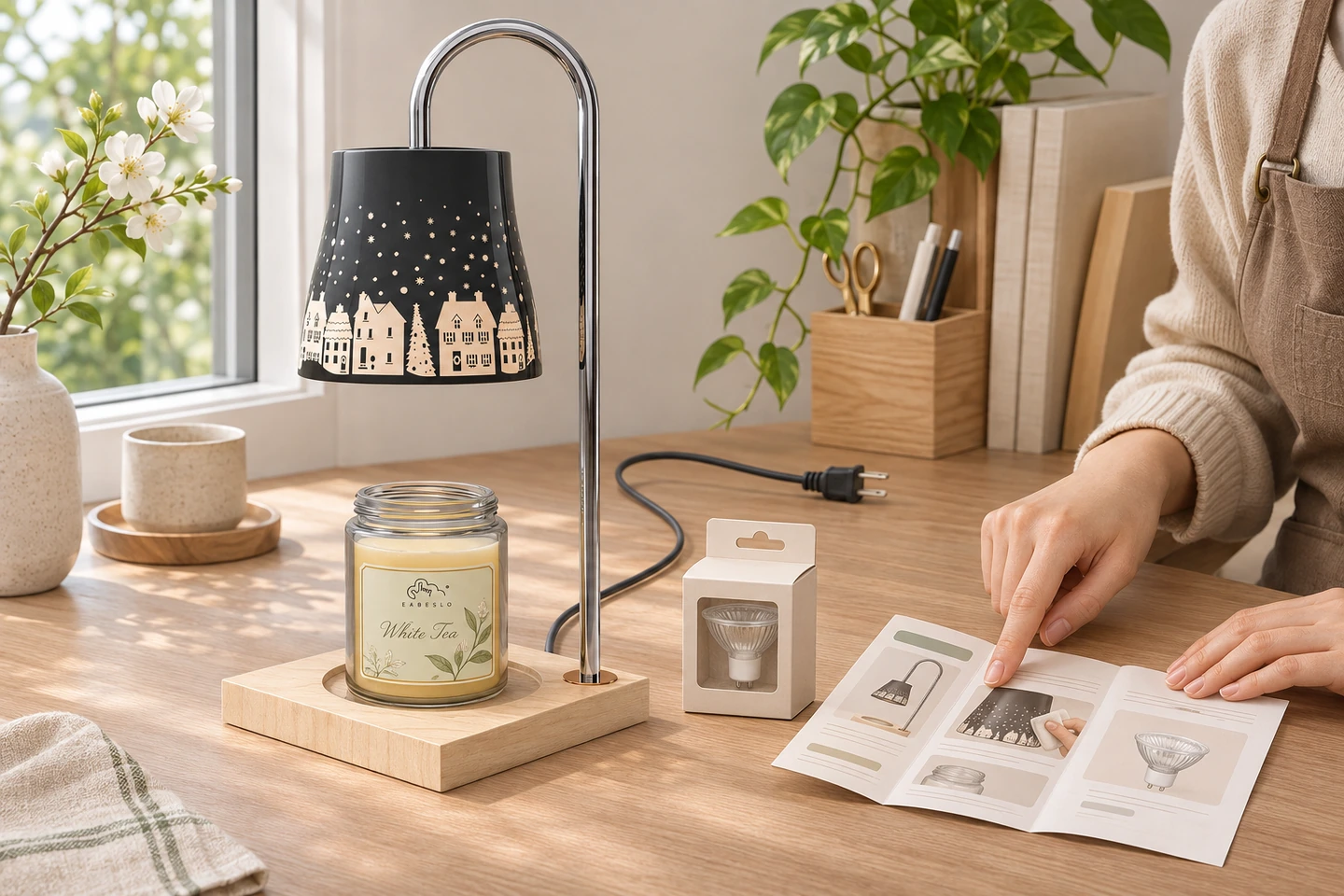
With a burning candle, customers need to follow the wick-care, burning and stopping instructions supplied with the candle. This includes preparing the wick for the next session, keeping the wax free from debris and allowing the candle to cool before handling it. Burning also involves lighting and extinguishing the flame each time.
A lamp removes those flame-related tasks during warming, but brings its own routine. Customers need a suitable place for the lamp and cord, a compatible jar and the manufacturer’s specified replacement bulb. Check the bulb type, base, voltage and wattage, along with dimming compatibility where applicable. A standard lighting LED is not a suitable substitute simply because it fits the socket. Depending on the product, customers may also need to remove fragrance-depleted wax and clean up occasional spills after the equipment has cooled.
For a brand planning a gift set, this is part of the buying decision. Consider whether the recipient will understand the care routine, whether replacement bulbs will be accessible and whether the instructions remain useful after the outer packaging is discarded.
Does a Flameless Lamp Remove the Need for Care?
A lamp avoids an exposed candle flame while warming, which may appeal to customers who prefer that style of use. It remains an electrical heating product, with hot parts and liquid wax to consider. Use it on a stable, heat-resistant surface, keep flammable items away and follow the manufacturer’s instructions on supervision, operating time and cooling. A timer is a convenience feature within those instructions.
Burning requires continuous attention to the flame and its surroundings. Keep the candle away from drafts and combustible materials, and follow its stated burn limits and end-of-use instructions.[2]
For customer communication, describe the benefit precisely: “enjoy candle fragrance without lighting the wick.” Broader claims about health, emissions or complete safety require separate evidence. The absence of a flame alone does not establish them.
Which Experience Fits Your Product Range?
Burning may remain central to a range built around candlelight, the ritual of lighting a wick or, for suitable wooden-wick products, the sound of the flame. A lamp may appeal to customers who enjoy a decorative object and want fragrance without lighting the candle.
Those experiences can sit within the same brand, provided the pairing has been checked. A lamp can be an optional accessory for selected candles rather than an automatic recommendation for every jar in the collection. A vessel that looks attractive beneath the shade still needs confirmation for external heating, including its material, finish and overall fit.
The commercial choice also includes the accessory’s ownership cost: the lamp, electricity, replacement bulbs and the care required. A worthwhile addition should offer an experience your customers value, with a maintenance routine they can reasonably follow.
What Should Brands Check Before Offering a Candle and Lamp Together?
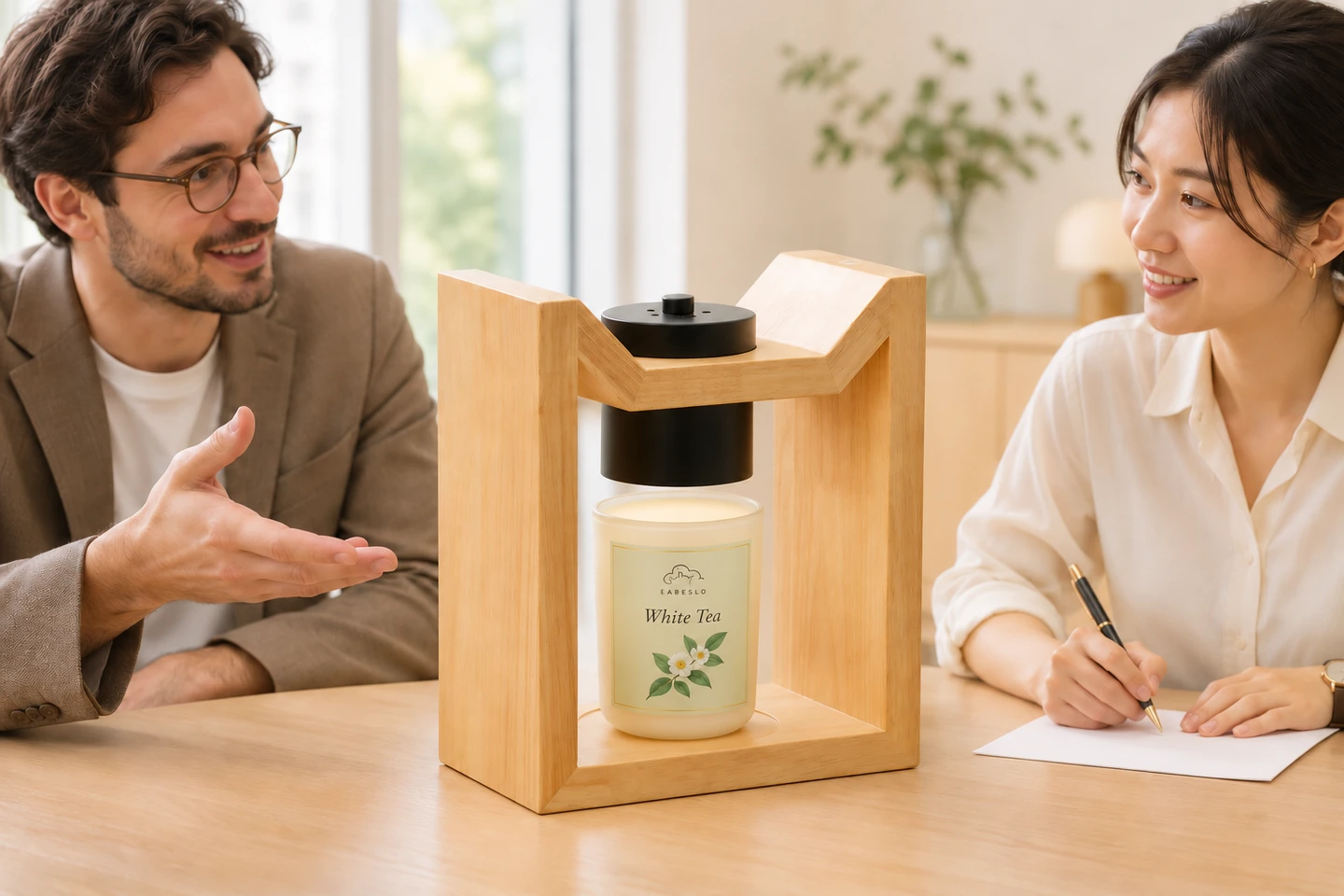
Use separate, otherwise comparable candles for burning and warming so that the first method does not change the sample used for the second. Keep the room, ventilation and assessment position reasonably consistent, and document the lamp setting and jar position. Repeat the assessment across sessions instead of relying only on the first impression, noting whether the scent character remains consistent over repeated uses.
Record fragrance performance alongside practical observations: melt coverage, ease of operation, wax handling and the condition of the jar and its decoration. With wider jars, check whether melting is concentrated in the center and whether the resulting fragrance meets expectations. This is a product-development comparison; electrical and thermal safety assessment still needs its own appropriate verification.
Before approving the pairing, agree with the candle and lamp suppliers on the intended use, care instructions and any restrictions. If the brand intends to allow customers to alternate between warming and burning, first confirm that both suppliers permit this sequence, then specifically assess wick position and anchoring, exposed wick length after any wax removal, and the remaining wax level.
The final recommendation can then be specific: which candle fits which lamp, what experience customers can expect and how they should care for the combination. That gives buyers a firmer basis for adding a warmer to their range than a general promise of stronger fragrance or longer life.
Sources
[1] Royal Institution — Candle chemistry https://www.rigb.org/learning/activities-and-resources/candle-chemistry ↩
[2] National Candle Association — Candle Safety Tips https://candles.org/candle-safety-tips/ ↩