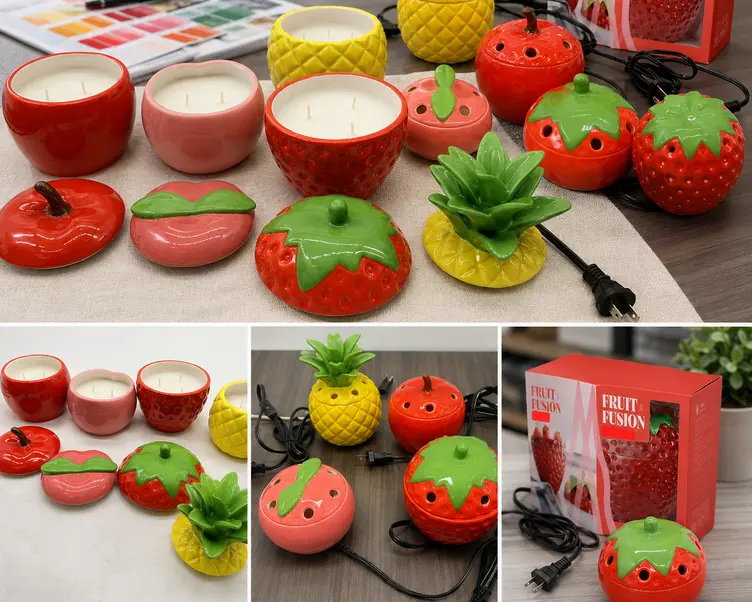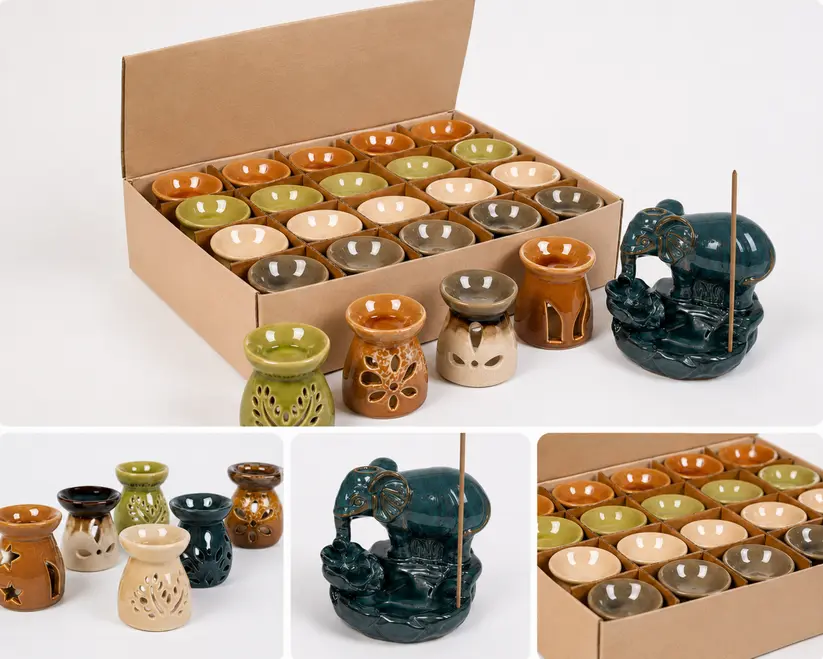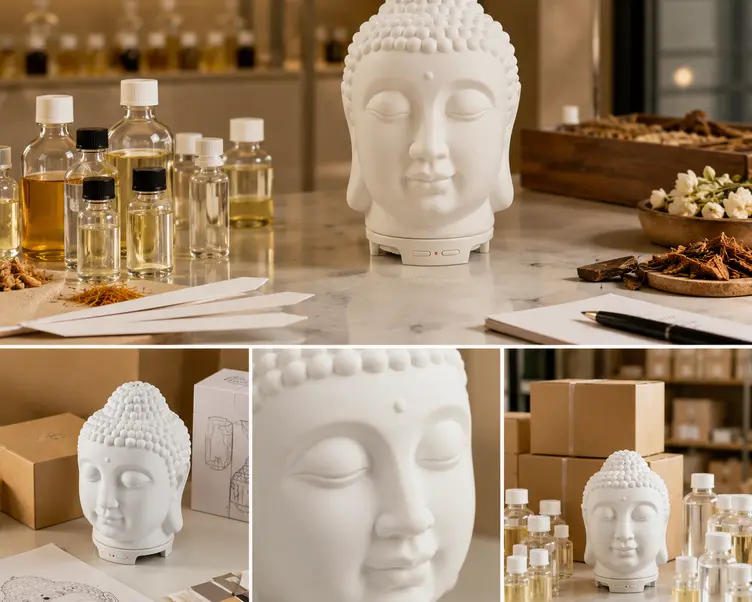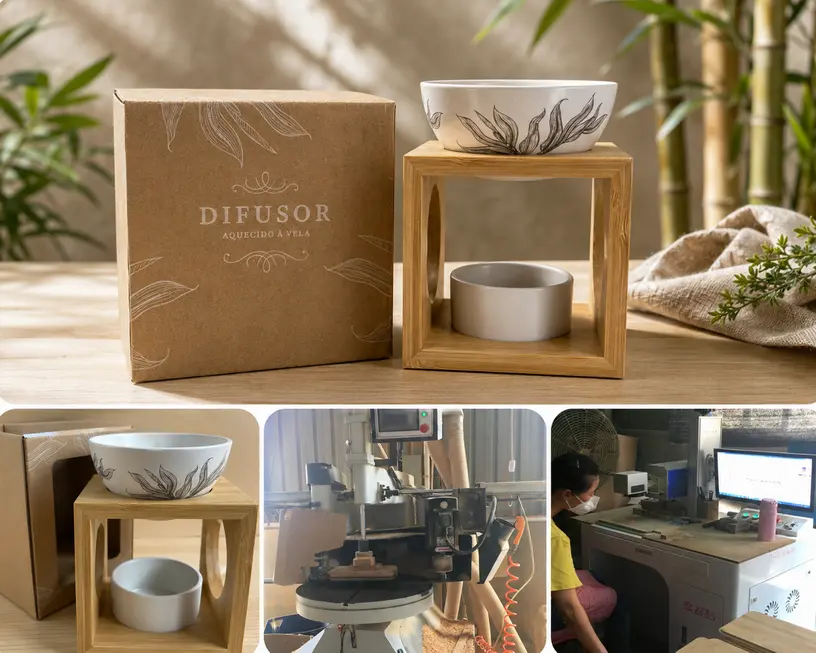
A decorative warmer can fit a brand’s visual style yet work poorly with its candles or wax melts. An unsuitable fit, slow melting or an inconvenient fragrance-change routine can weaken the customer experience.
At Green-Life, we start with the fragrance products a buyer already sells. For brands sourcing wholesale candle warmer lamps, we first review their jar candle range. For wax melt brands, we begin with illuminated wax warmers or tart warmers, then assess the market, customer expectations and sample performance.
Which warmer fits your product line?
Product names vary between suppliers. Before comparing quotations, confirm what each model heats, how it heats and whether it provides decorative lighting.
Green-Life uses the following categories for its electric warmer range:
| Product category | Heating and lighting arrangement | Starting point for selection |
|---|---|---|
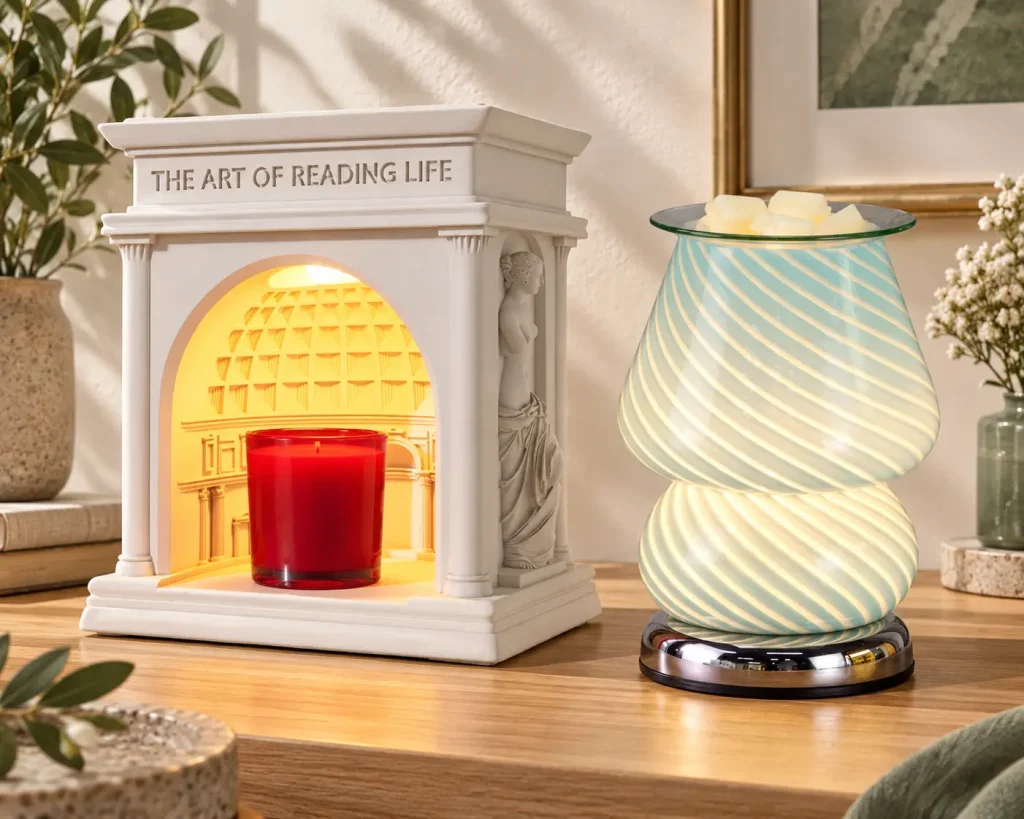
| Candle Warmer Lamp | A halogen bulb above the candle heats the wax from the top. Designs include lamp and lantern forms. | Brands with an existing jar candle range |
| Wax Melter Lamp | Wax melts are heated from below by a warming bulb or a separate heating element. Decorative lighting comes from the heating bulb or an additional LED. | Wax melt brands seeking fragrance and illuminated décor |
| Tart Warmer | An electric heating element warms wax melts without decorative lighting. An indicator light may be included. | Wax melt ranges where decorative lighting is unnecessary |
| Plug-in Warmer | A compact warmer plugs directly into a wall outlet and often also provides night-light illumination. | Compact fragrance ranges, subject to outlet and product fit |
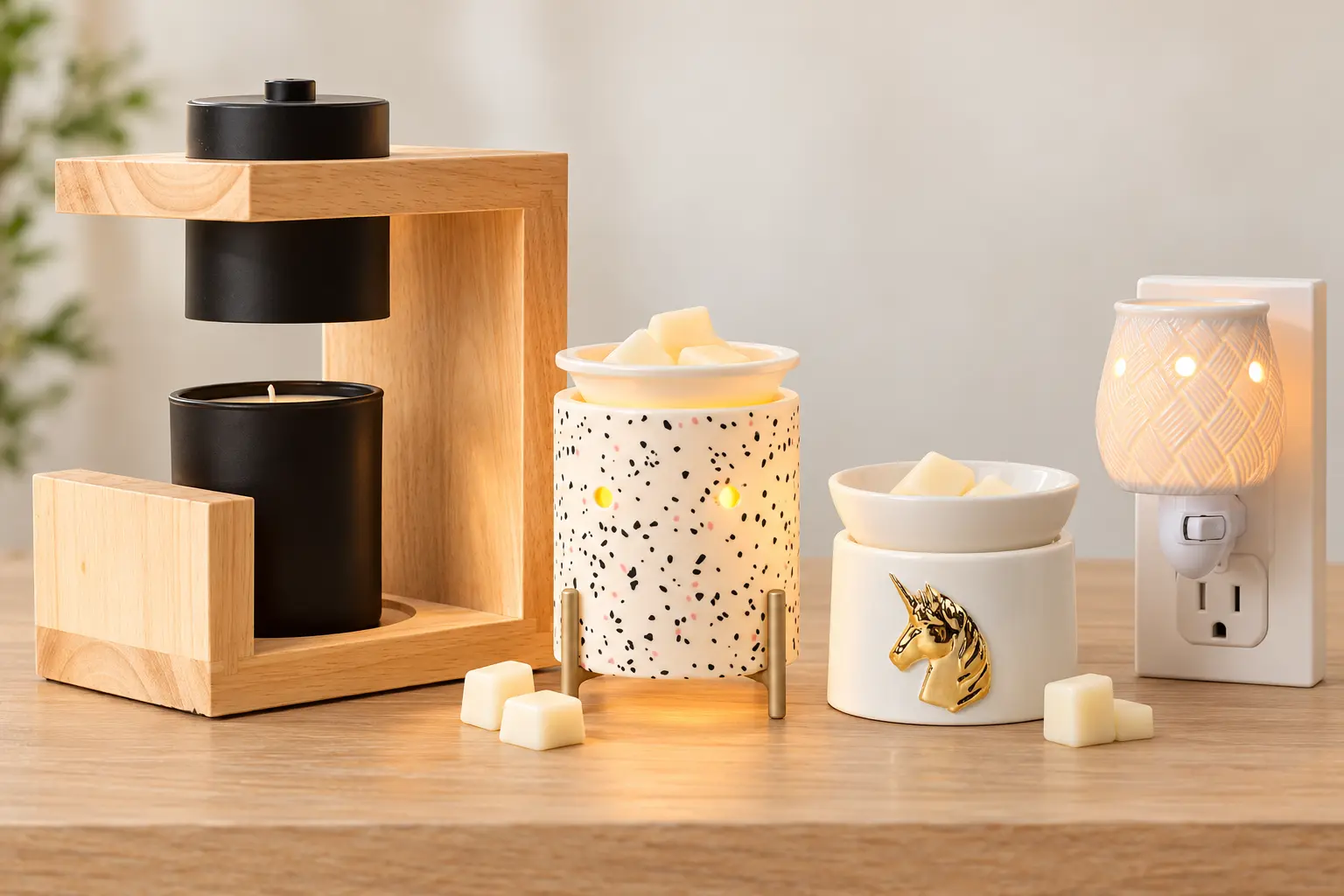
All four categories are electrically powered. Green-Life’s Tart Warmer category excludes tealight-heated products.
For a jar candle brand, start by checking the intended candle dimensions and how the jar sits beneath the warming bulb. For a wax melt brand, consider the warming dish, intended wax quantity and fragrance-change routine.
Home décor and gift retailers may have a wider choice. We first ask about their market, target customers, existing assortment and intended price position before recommending a format.
Heating, Power and Market Compliance
Heating, lighting and power supply should be reviewed together.
In Green-Life’s North American projects, particularly those for the United States, halogen-heated products are a common option and generally use mains power.
For European projects, we usually prioritize PTC heating combined with LED lighting. The configuration separates the heating function from decorative illumination. Requirements should still be checked for the specific product and destination market; a warmer’s category name alone does not establish compliance.
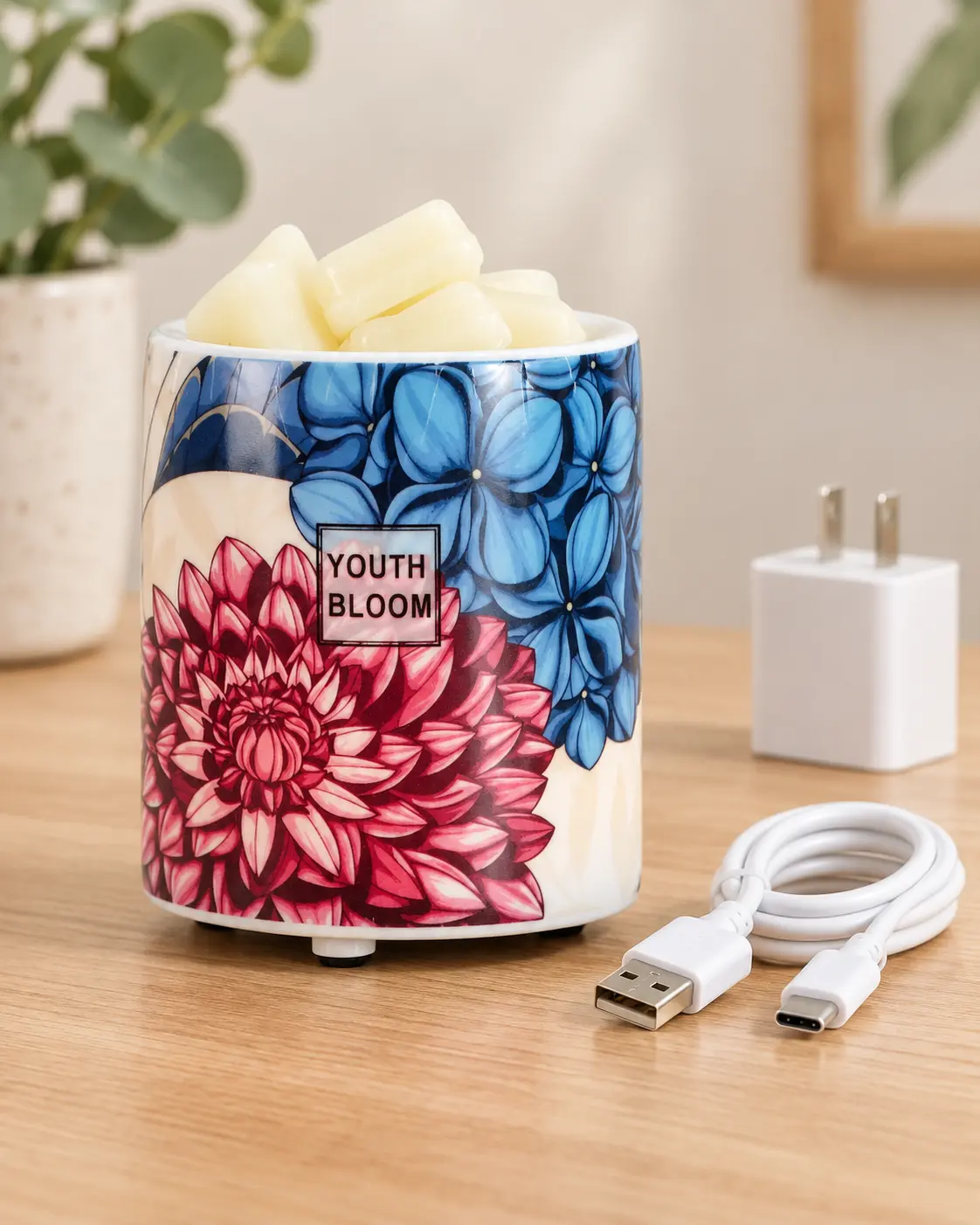
When a customer requests a lower-power design, we may also propose a PTC-and-LED configuration with USB-C power.
However, USB-C describes the connection. The USB-IF overview of the USB Type-C cable and connector specification provides background on the connector system. Buyers still need to confirm the required power supply, cable and whether an adapter is included. The selected configuration must then be tested with the intended wax quantity.
A lower-power model should not be selected solely for its power specification. It must deliver an acceptable melting time and fragrance experience for the customer’s intended use.
Before importing or exporting a warmer, confirm the requirements for the destination market and the exact product configuration. Review electrical safety, voltage and plug compatibility, labeling, and the documentation required for market entry. USB-C-powered models also need a clearly specified power supply and, where included, a suitable adapter.
For EU projects, the Your Europe guide to CE marking explains that manufacturers must identify the applicable EU rules and complete the required conformity assessment before affixing the mark. CE marking applies only where the relevant EU rules require it.
Green-Life can help customers identify applicable requirements and coordinate safety certification and compliance testing for their target markets. The scope should be confirmed for the selected model, heating system, lighting components and power supply before shipment.
Which features matter in daily use?
Fragrance brands and general gift retailers often approach warmer selection differently.
In Green-Life’s projects, candle and wax melt brands typically pay close attention to melting onset, operating duration, fragrance performance and the wax remaining after use. Many now request silicone dishes to make changing fragrances easier.
General home décor and gift buyers often begin with appearance and price. During sampling, we encourage them to examine the less visible details as well.
Candle fit and heating distance
For a candle warmer lamp, verify the jar’s height and diameter, its position on the base and the distance between the bulb and wax surface.
A candle may physically fit beneath a shade without performing as expected. Where adjustable height is available, test the intended settings with the actual candle rather than approving the feature from photographs alone.
Dish design and fragrance changes
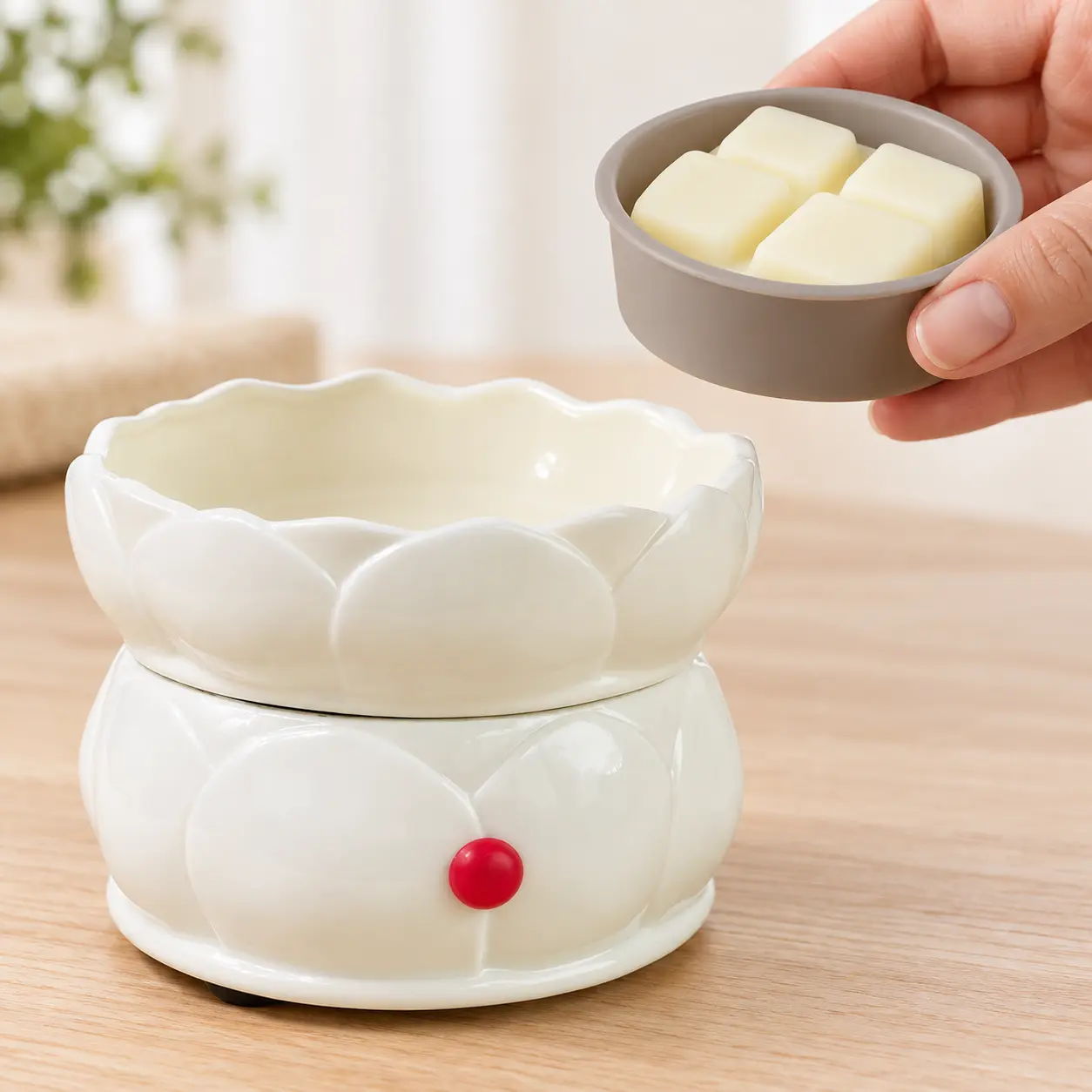
For wax melt products, check whether the dish accommodates the intended wax quantity and whether it is convenient to remove, clean and refill according to the product instructions.
A silicone dish can support a simpler fragrance-change routine, but it should be evaluated as part of the selected warmer. Its fit and effect on melting performance still matter.
Surface temperature
The absence of an open flame does not remove the need to assess hot surfaces.
Check accessible areas, including the dish, shade and housing, under the intended operating conditions. Buyers should understand which parts become hot and ensure that the instructions explain appropriate handling and cooling.
Replacement parts
Where a model uses a warming bulb or removable dish, confirm the replacement specification and supply arrangements before launch.
These details affect how easily a brand can support customers after the initial sale.
What should you test before ordering?
Use the customer’s actual candles or wax melts whenever samples are available.
Green-Life commonly records the starting wax weight, the time when melting first becomes visible, the time to complete melting and the residual wax weight at the end of the test. Photographs and videos help document the process.
A useful sample record should identify:
| Test item | What to record |
|---|---|
| Product and wax sample | Warmer model, candle or wax melt identification, dimensions and starting quantity |
| Test conditions | Power supply, operating setting, room conditions and test duration |
| Melting onset | Time when visible melting begins |
| Complete melting | Time to full melting, or whether it remains incomplete during the agreed test period |
| Fragrance experience | Observations at agreed intervals under stated room and placement conditions |
| Residual wax | Weight remaining at the agreed endpoint |
| Handling and care | Surface-temperature checks, dish handling and the approved fragrance-change routine |
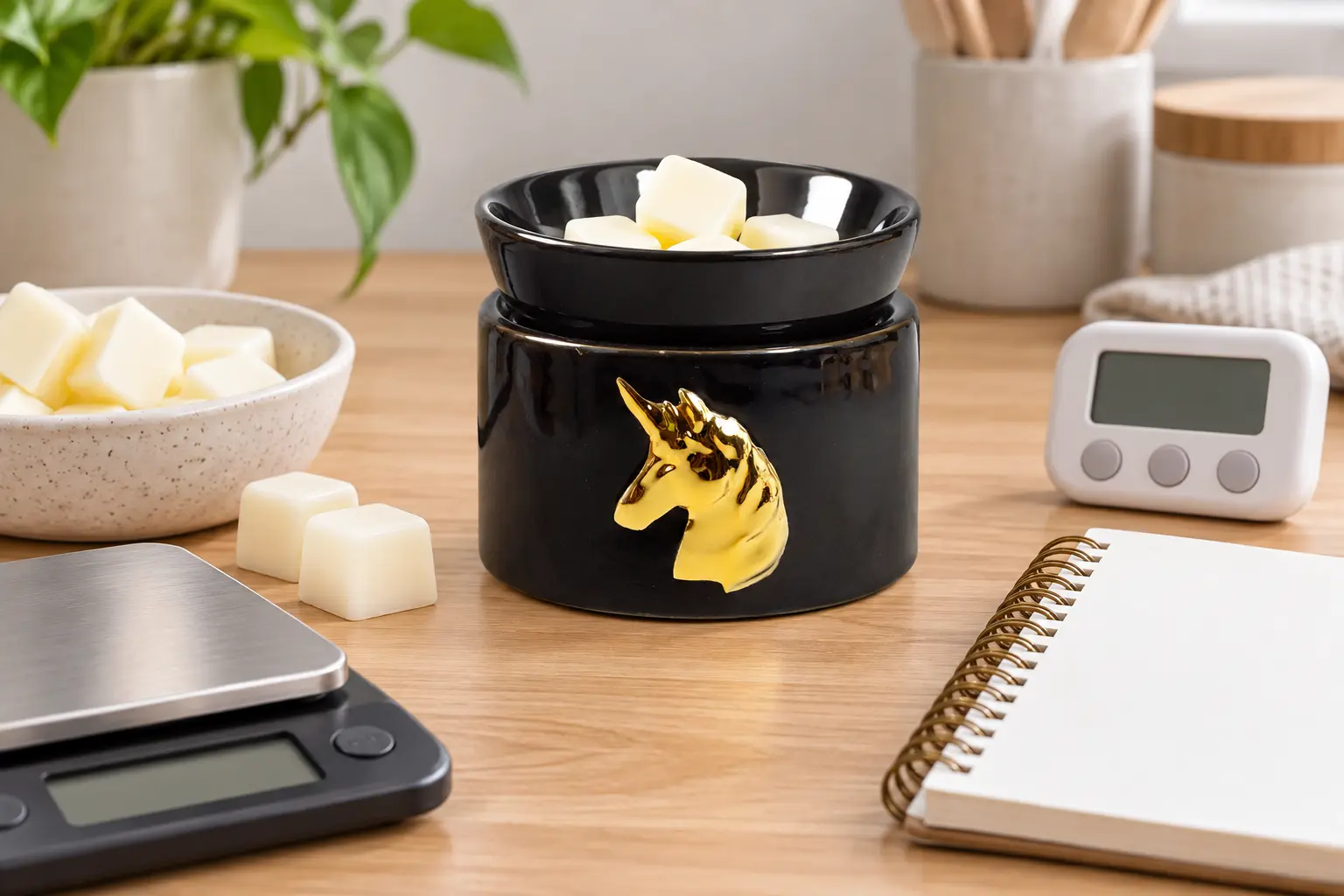
Melting speed and fragrance performance should be assessed separately. A faster melt does not, by itself, establish a better fragrance experience.
Residual wax weight also does not indicate how much usable fragrance remains. Combine weight records with fragrance observations and the intended customer routine.
Green-Life’s Tart Warmer projects commonly use configurations around 13–17W, although this is a product experience range rather than a universal requirement.
In one project, a customer wanted faster melting, so we increased the power. In another, a customer required a smaller overall product, and we reduced the power to suit the design.
These examples show why buyers should evaluate power alongside product dimensions and performance. After a configuration changes, repeat the relevant sample checks rather than relying on the earlier result.
How do you shortlist your range?
Begin with the fragrance product your customers will use.
For a jar candle range, shortlist candle warmer lamps that accommodate the intended jars and perform well at the approved heating distance. For a wax melt range, compare illuminated and non-illuminated options according to the desired customer experience.
For home décor and gift assortments, review each candidate against the target customer, retail price position, appearance and support requirements.
When developing custom wax warmers, confirm the heating system, product dimensions and fragrance performance before finalizing the exterior design.
Before confirming an order, approve the warmer, fragrance product, power configuration and customer instructions as a complete combination.
Share your existing candles or wax melts, target market, sales channel and design direction with Green-Life. Our team can help shortlist suitable formats and arrange sample evaluation before the configuration is confirmed.