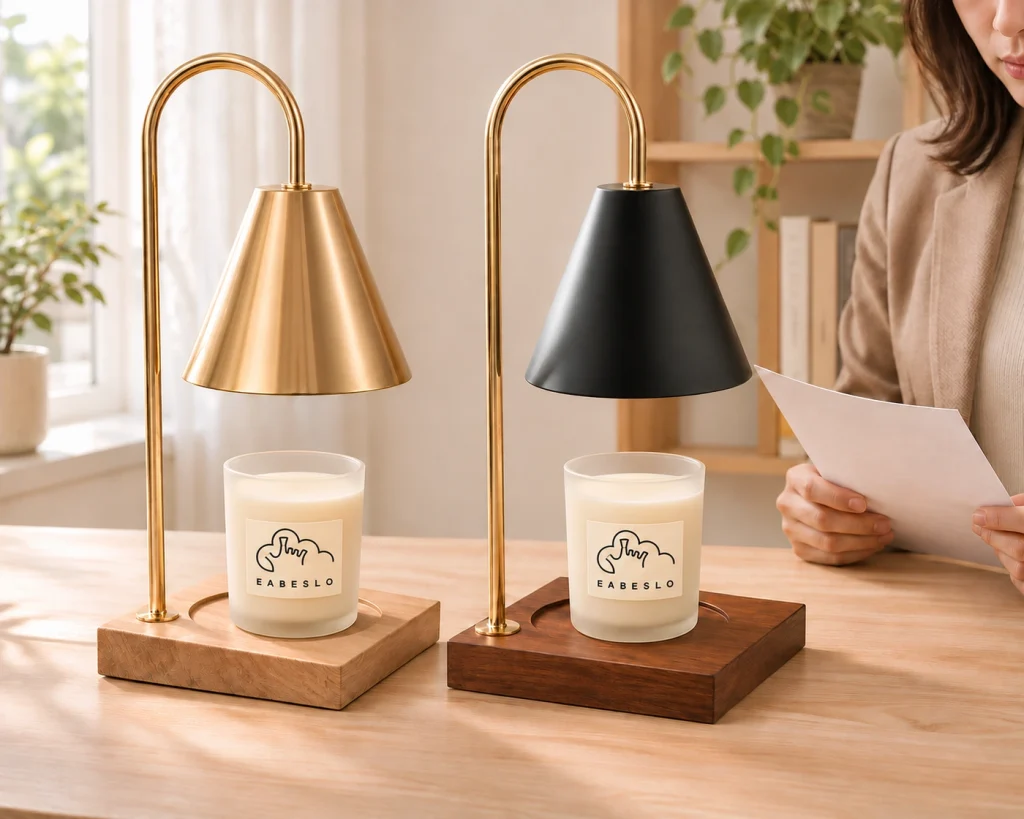
Two candle warmer lamps can share the same silhouette and still be different purchasing options. To compare their prices, align the material grades, workmanship, component specifications, compliance requirements, packaging and delivery scope. If the remaining difference is unclear, ask the suppliers for an itemized cost breakdown of the parts of the offer that need explanation.
In Green-Life’s sourcing experience, material grades, workmanship requirements and the scope and cost of compliance work are important points to investigate. We also check the parameters of individual parts, the packing method and logistics costs before treating two quotations as comparable.
For brands and importers buying lamps that warm jar candles from above, this process starts with a clear description of the version they intend to sell.
1. Compare material grades and workmanship requirements
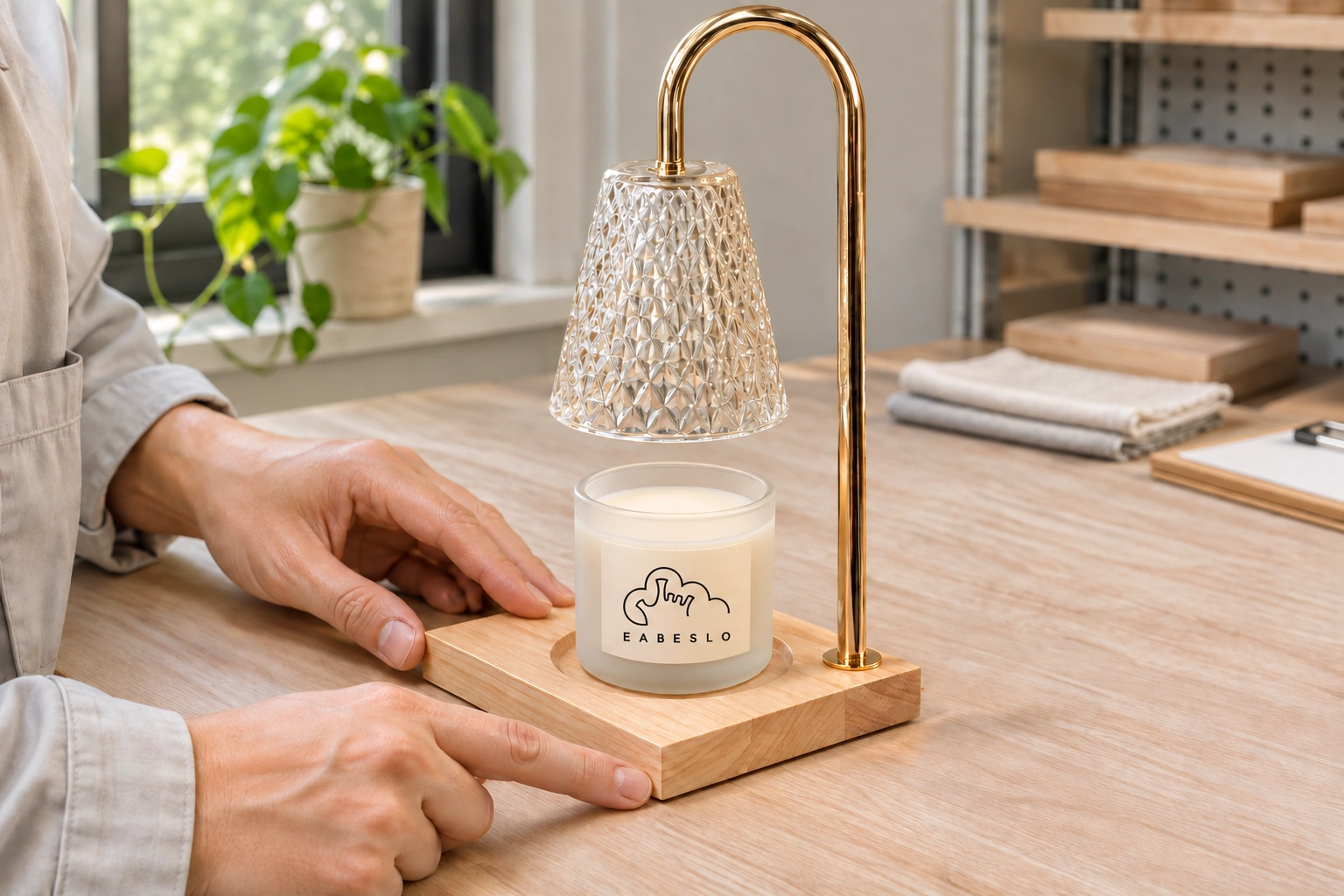
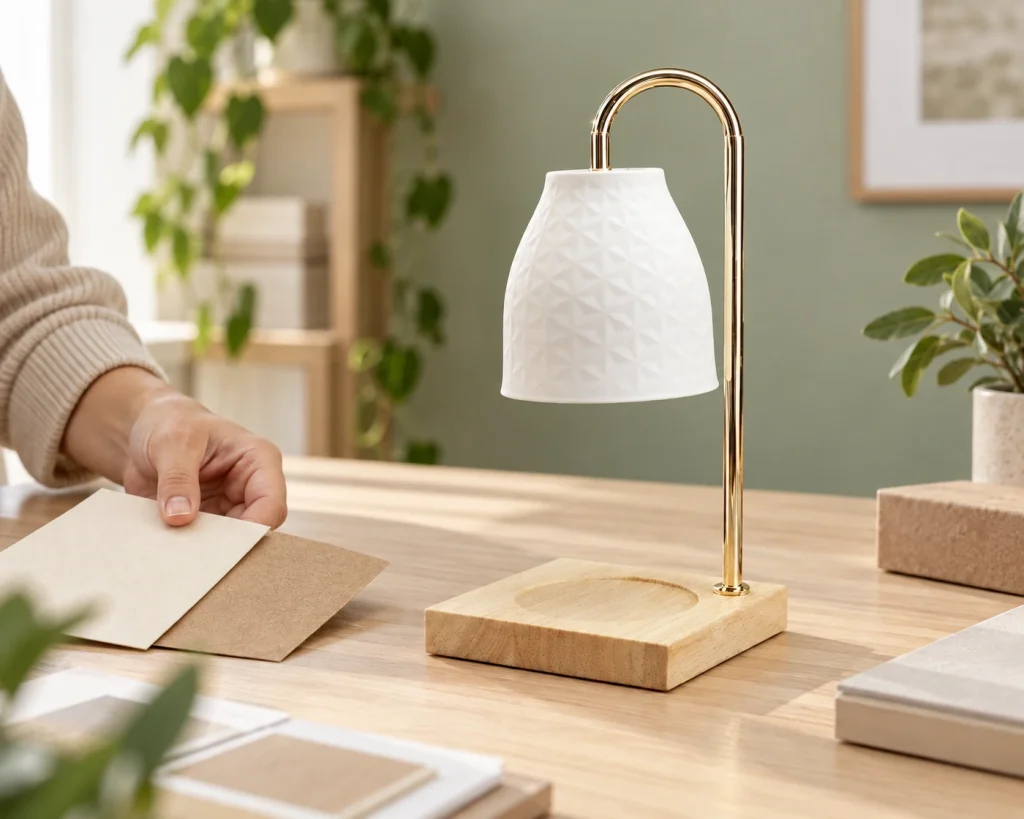
Descriptions such as “metal arm,” “glass shade” and “wooden base” provide a starting point. Ask suppliers to identify the materials and construction used in the quoted version, then compare the agreed finish and workmanship.
For metal parts, this may include the base metal, relevant thicknesses, coating or plating, and the appearance expected at joints and edges. For a glass shade, compare its shape, colour and surface finish, together with acceptable visible variation. For a wooden or stone base, identify the material, finish and acceptable natural variation. For wood, also agree any moisture-control requirements relevant to the product and destination.
Turn broad requests such as “premium finish” into something suppliers can quote consistently. An approved sample, close-up photographs and agreed appearance criteria can clarify what is acceptable for the shade, arm and base. Specify how visible scratches, uneven coating, misaligned parts or loose assembly will be assessed where these matter to the product.
Also compare the construction behind adjustable features. Ask how the arm adjusts and locks, how the shade is supported, and what assembly is required. A similar overall height can conceal a different usable adjustment range or base layout.
Include how the adjustment mechanism holds its position during operation and after repeated adjustment. Agree any necessary finish-durability checks, such as adhesion or resistance to the expected heat or moisture exposure, and confirm whether the quoted price covers them.
2. Check the specifications of each part
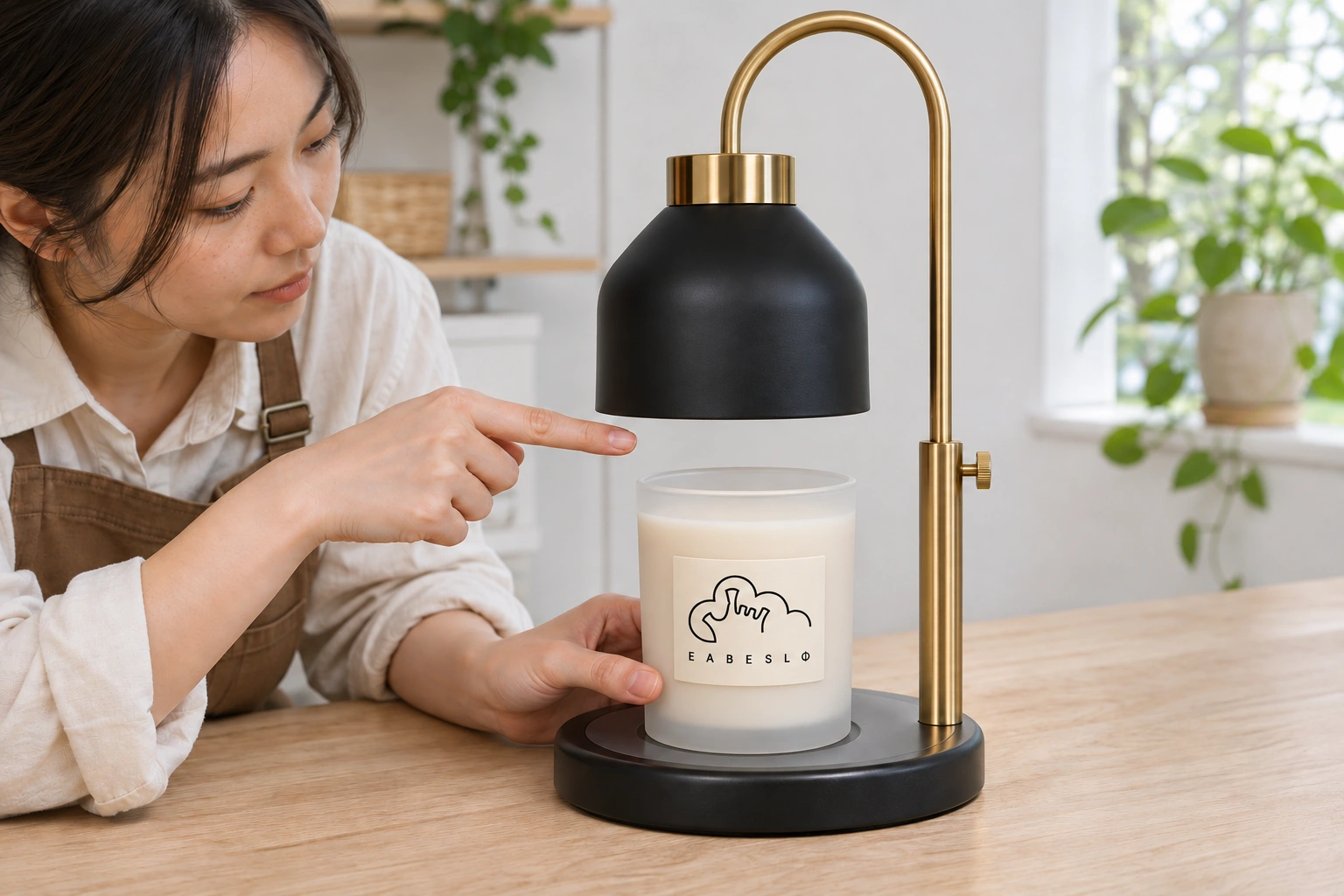
Use the intended candle jars as a reference. Record their height and diameter, the space available on the lamp base and the lamp’s adjustment range. During sampling, check the jar’s position beneath the bulb and the available clearance. Overall lamp dimensions alone leave these relationships unclear.
Next, identify the heating bulb and controls. Compare the bulb technology, rated voltage, wattage and base, along with the number of bulbs included. A package with an additional replacement bulb has a different supply scope from one containing only the installed bulb.
Check what “dimmable” and “with timer” mean on each quoted version. Record the available settings, control method and timer options, then confirm their operation on the corresponding sample. Confirm that the specified bulb and controller are compatible with the intended electrical load. If remote control or other functions are requested, identify the exact version covered by the price.
Include the lamp holder, cord and plug specifications in the comparison. Confirm the cord length and destination-market configuration. Ask how the temperature ratings of the lamp holder, internal wiring and controls suit their operating positions in the assembled lamp, and what verification supports this. List the accessories supplied with each lamp. A candle shown in a product photograph should also have its inclusion or exclusion stated.
Keep the quotation, specification and sample connected by a model or version reference. When a sample differs from the offer, ask the supplier to confirm which version will be supplied and whether the quotation needs revision.
3. Align compliance requirements and related costs

Tell both suppliers the intended sales markets and any relevant customer or retailer requirements before requesting comparable prices. Ask what assessment and documentation already cover the quoted lamp, and what additional work the project requires.
Separate the existing evidence from new work included in the offer. A supplier might quote for an existing product configuration, while another offer includes an additional assessment, preparation of samples or changes needed for the project. Clarify the scope, responsibility, cost and timing of that work.
Identify whether a certification statement concerns a component or the complete lamp. UL Solutions explains that Recognized Components are intended for use within larger products under defined conditions; their recognition does not establish certification of the finished lamp.[1] Check the evidence against the actual product version being quoted. If the lamp will carry your own brand and model number, confirm with the supplier and relevant issuer how those identifiers will be covered, whether authorization or a separate listing is needed, and any associated fees.
Keep this discussion tied to the purchase. The useful comparison is whether each offer provides the configuration and supporting work required for the intended sale. Record separately charged testing or assessment, including whether it is a project fee or incorporated into the quoted unit price.
4. Compare packaging and logistics together
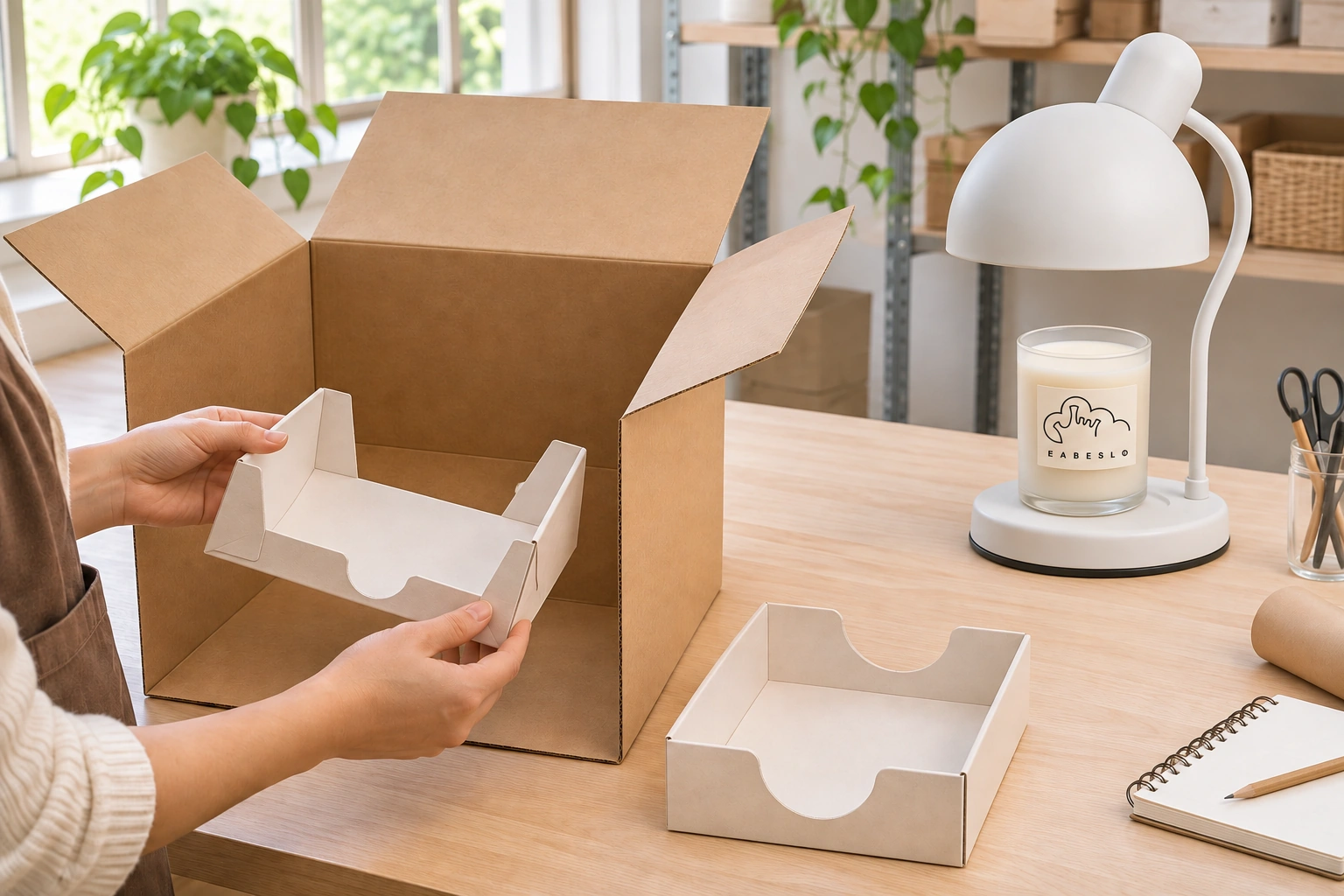
Ask how the lamp will be packed: fully assembled, with the shade removed, or with other parts packed separately. Check how the bulb, shade, arm and base are held in place and protected. The packing method also determines what the customer must assemble after opening the box.
For a branded pack, define the insert, box material, printing, finish, instructions and labels. Confirm whether artwork setup or special packaging work is included. “Gift box included” is too broad to establish that two offers cover the same pack. Explain whether the packed lamp will go to retail stores, a fulfilment centre or directly to consumers. Agree the packaging tests required for that distribution route, the acceptance criteria and who pays for samples, testing or revisions.
Request the packed dimensions, gross weight and quantity per master carton. These figures allow a forwarder to compare transport options for the actual packing arrangement. For example, DHL Express considers both actual and volumetric weight when calculating chargeable weight; the applicable service and its rules need to be checked.[2]
Then align the transport scope. Compare the delivery rule, named place or port, shipment quantity and destination. Incoterms® rules allocate transport-related tasks, costs and risks between the parties, so two offers using different rules may include different services.[3] Clarify the inclusion of freight, insurance, destination handling, clearance and duties as relevant to the chosen arrangement.
A packing change may affect box cost, shipping volume, protection and customer assembly. Compare those effects together before selecting a cheaper pack or accepting a freight estimate.
5. Request a breakdown where the difference remains unclear
When Green-Life has questions about a quotation, we ask the supplier for a detailed breakdown. Direct the request at the parts of the offer that need explanation: material or component specifications, workmanship, accessories, packaging, compliance work or logistics.
For each disputed or unclear item, ask the supplier to identify the quoted specification, what is included and any separate charge. Distinguish recurring unit costs from one-time project charges. Where detailed internal costs are unavailable, a clear explanation of the specification and supply differences can still help resolve the comparison.
Before requesting revised prices, align the total order quantity and minimum quantities per model and colour. Identify any small-batch or custom-colour surcharge and the quantity levels used for tiered pricing. Also clarify when the production lead time starts—for example, after sample and artwork approval, agreed payment and any required assessment. Confirm the schedule against the supplier’s capacity at the time of ordering.
Use a short comparison sheet to bring the answers together:
| Comparison area | What both offers should identify |
|---|---|
| Materials and workmanship | Material grades, finishes, appearance limits and agreed durability checks |
| Lamp and candle fit | Dimensions, candle-jar sizes, adjustment range and position-holding checks |
| Parts and functions | Bulb and controller compatibility, applicable component ratings, cord, plug and accessories |
| Compliance work | Product and brand/model coverage, additional work, authorization and fees where needed |
| Packaging and logistics | Packing method, protection and testing, carton dimensions, weight, quantity and transport scope |
| Quantity and price | Total order, minimum quantities per model/colour, tiered prices and surcharges |
| Commercial basis | Currency, payment terms, quotation validity, lead-time starting conditions and confirmed schedule |
Once the differences are explained, give both suppliers the same confirmed requirements and request revised quotations. Ask them to identify any remaining alternatives or exclusions clearly. This lets you choose between genuinely comparable offers—or deliberately select a different specification because it better suits your product range, budget and delivery needs.
Sources
[1] UL Solutions — The UL Component Recognition Classification. https://www.ul.com/thecodeauthority/knowledge/ul-component-recognition-classification ↩
[2] DHL Express — Measuring and Weighing Advice. https://uk.express.dhl.com/measuring-and-weighing-advice/ ↩
[3] International Trade Administration — Know Your Incoterms. https://www.trade.gov/know-your-incoterms ↩