An existing aroma product may suit your brand with a different logo and packaging. Another project may need a new mold, a revised structure or a function that the existing product cannot provide. The right sourcing route depends on what must change, how complete your requirements are, and who will develop the solution. Development costs, design deliverables and tooling rights also need to be agreed; the service label alone does not settle them.
Start with private label when an existing product meets your essential needs. Consider OEM when you have a defined design or specification for production review. Consider ODM when the product still needs design or development work. These labels can overlap, so agree on the actual scope before treating them as three separate packages.
Start with what must change
Before choosing a route, separate the features you can retain from the requirements you cannot compromise. Can you use the existing shape and function? Is differentiation mainly about branding and presentation? Or does the product need a different structure, material or operating performance?
The size of a visible change does not reliably indicate the work behind it. A small logo can affect tooling. A familiar-looking finish can require a material review. Conversely, a distinctive collection may be possible using an existing product platform with carefully chosen decoration and packaging.
Use this sequence to frame the discussion:
- If the existing product meets the essential requirements, assess branding, finish and packaging options first.
- If it does not, identify the exact differences and whether you already have sufficiently defined specifications for them.
- If important design or technical decisions remain open, include development work in the scope before moving toward production.
When an existing product is enough
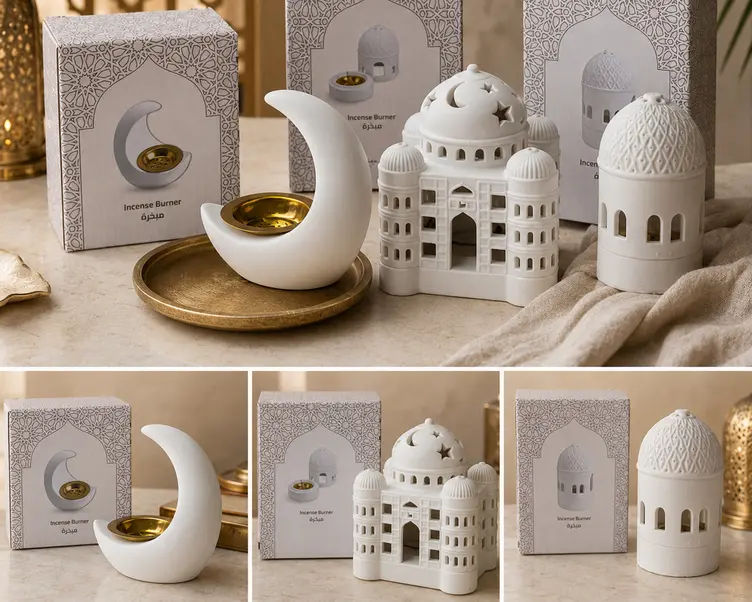
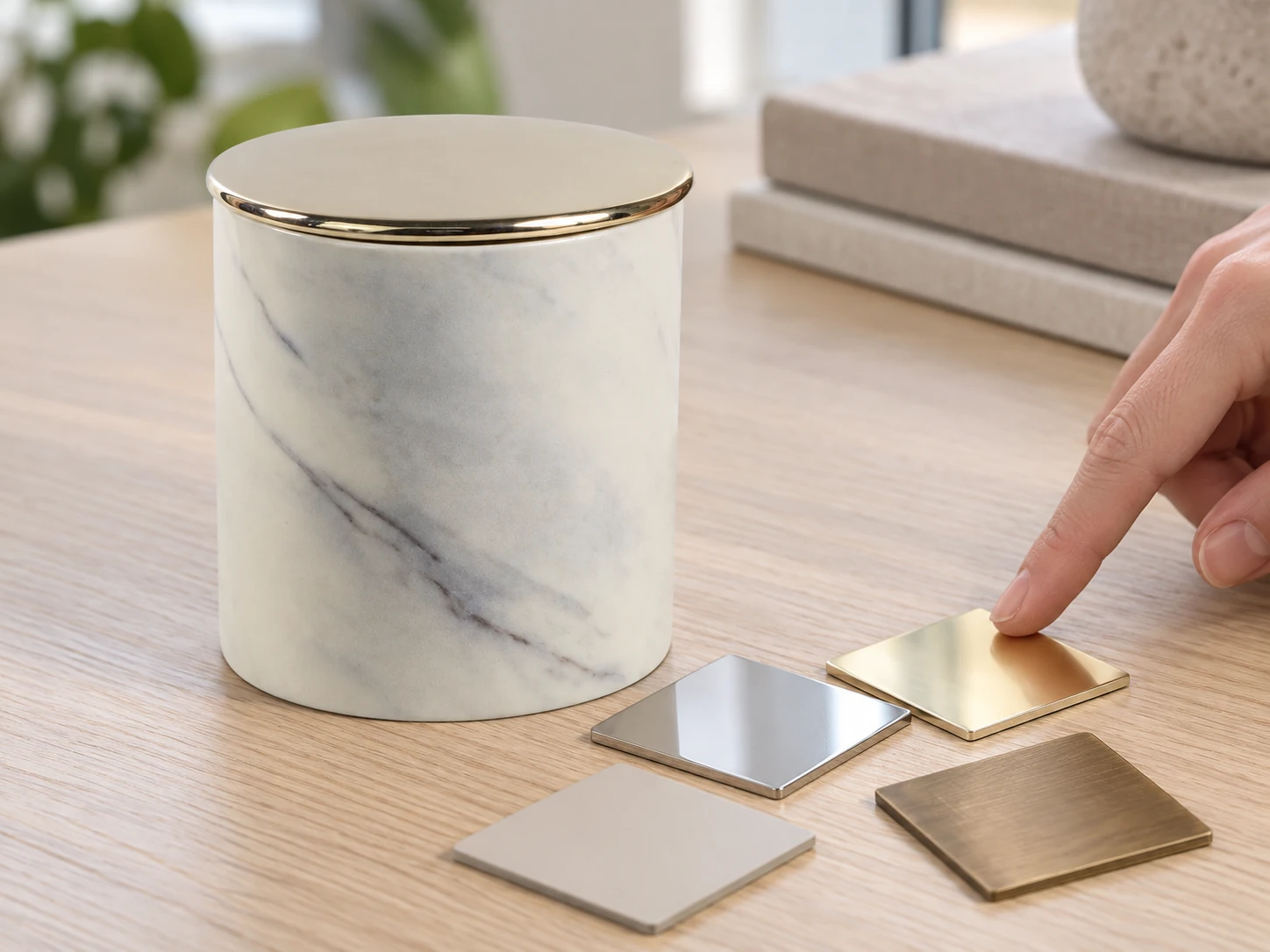
Private label is a practical starting point when the base product already suits the intended use and the changes focus on brand presentation. Depending on the product and process, this may include a printed or engraved logo, selected decoration, a different finish, and customized packaging.
The advantage is that you can retain useful work already embodied in the base product. However, a proven design does not mean every requested modification is suitable or that all previous evaluations cover the modified version. Confirm the actual configuration and the effects of the changes.
A logo or color request can change the scope
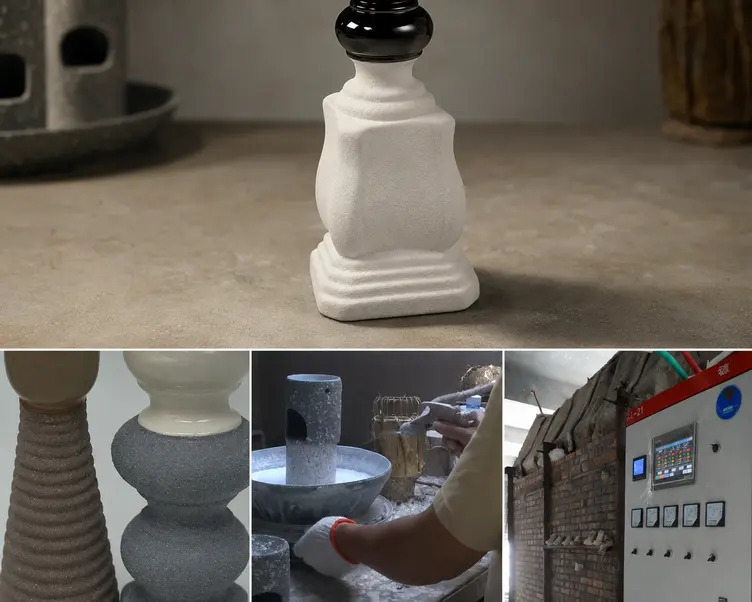
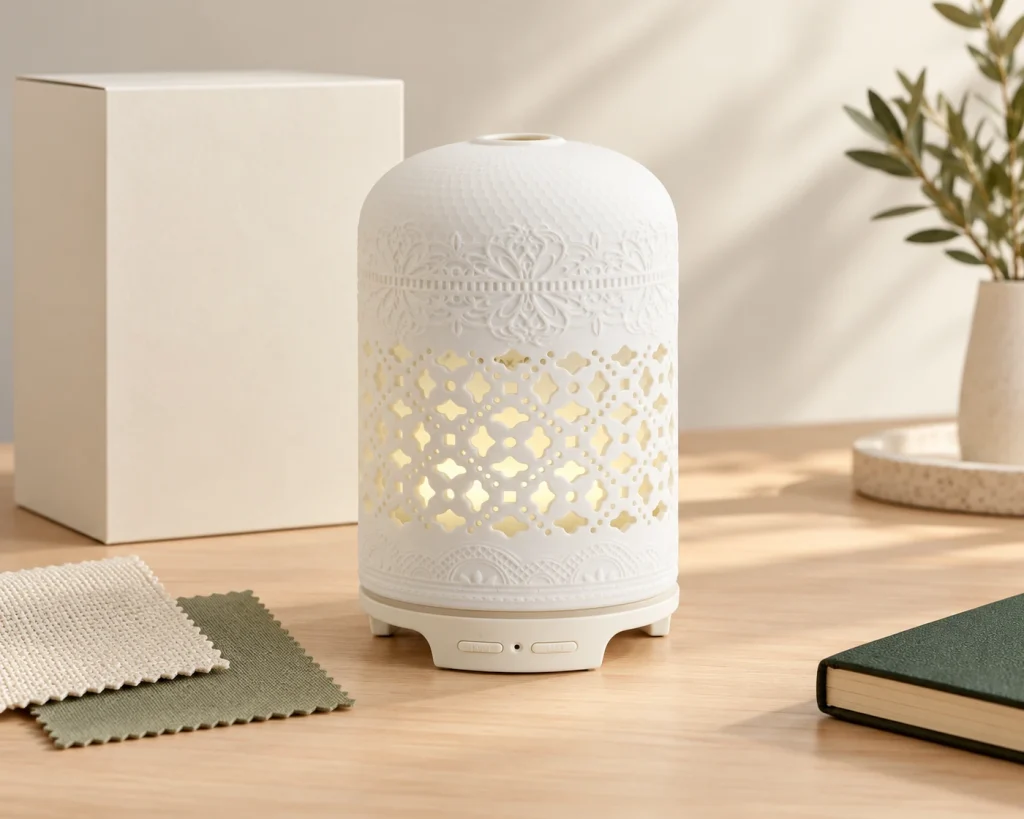
In Green-Life projects, buyers sometimes request a raised logo integrated into a ceramic or resin body. This usually requires a mold change or a new mold, depending on the existing tooling, product structure and forming process. Although the request concerns branding, the work can extend into tooling and sample development. Confirm the additional work and its effect on order quantities and scheduling before proceeding.
A metallic finish presents a different question. A buyer may request an electroplated color, but the base material or existing surface may not suit the proposed process. The desired appearance needs to be translated into a workable material-and-finish combination before approval. Where a finish may contact fragrance liquid, include compatibility with the intended formulation in the review, alongside applicable target-market requirements.
These requests should trigger a development review. They do not automatically require an entirely new product, but they should not be priced or approved as simple artwork changes without checking the implications.
Private label becomes a poor fit when you would have to compromise an essential function or force an unsuitable base product to meet the brief. At that point, review a different platform or a broader development scope.
When your design is ready for OEM review
OEM is useful when the buyer provides the design, specifications or an approved reference that defines what should be produced. In practice, the term can also include existing-product customization. For route selection, the useful question is how much of the product is already defined and how much still needs to be resolved.
A reference photograph, a physical sample and an engineering drawing provide different kinds of information. A photograph may communicate style but leave dimensions, materials and construction unclear. A physical sample helps establish a reference, but the production requirements still need to be recorded and checked.
Green-Life's experience highlights two recurring gaps:
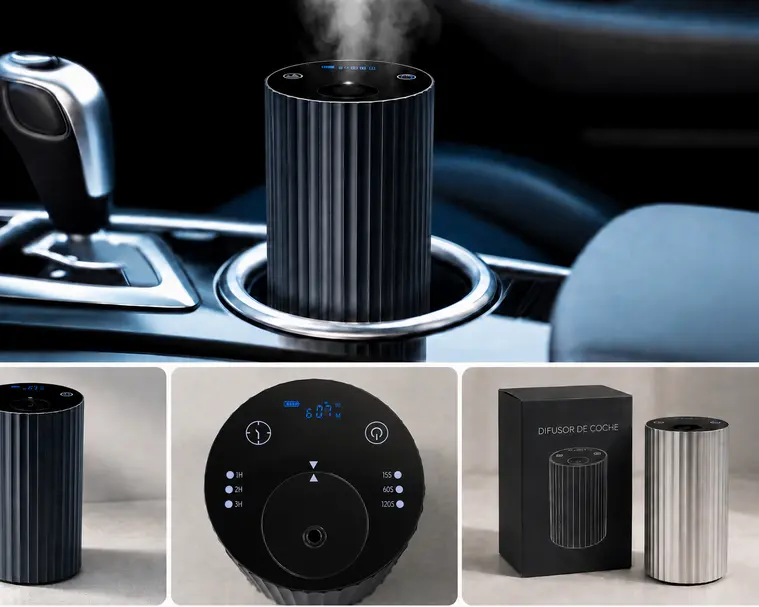
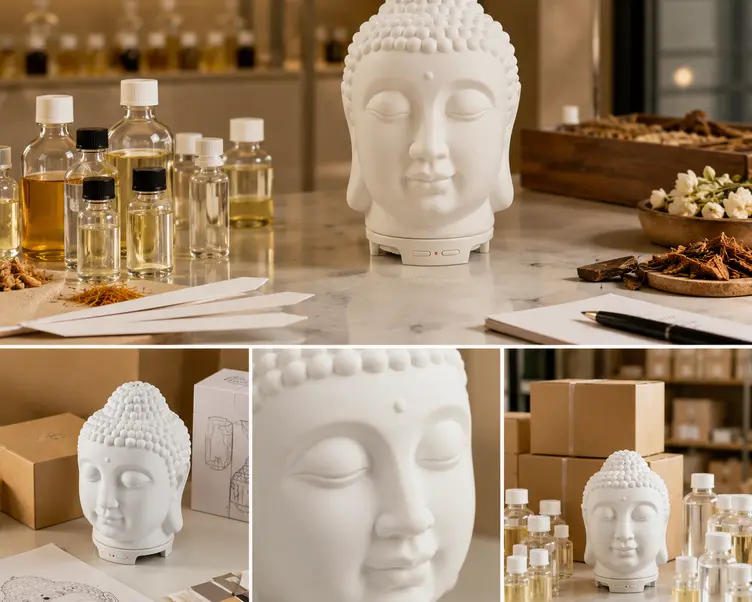
- For electronic aroma diffusers, drawings prepared mainly to show appearance often lack core technical parameters. Clarify the operating principle, required performance and relevant electrical configuration, including how heat from electronic components will be managed where this affects the design.
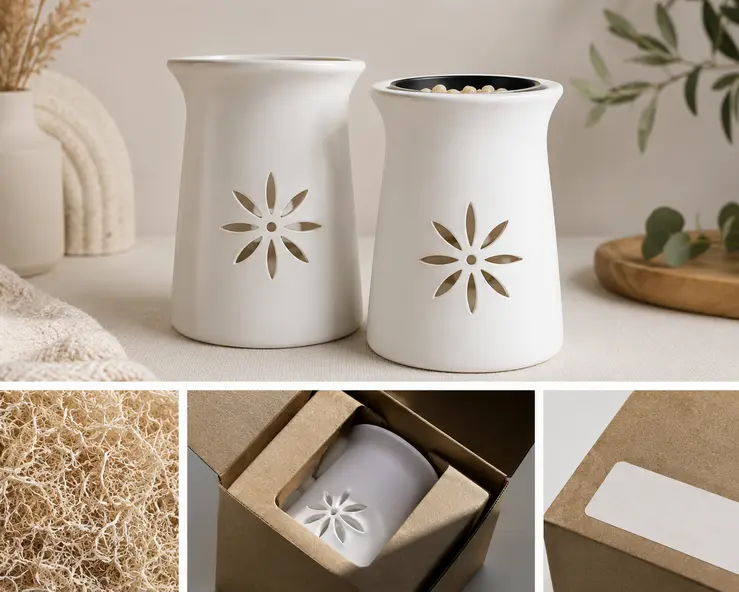
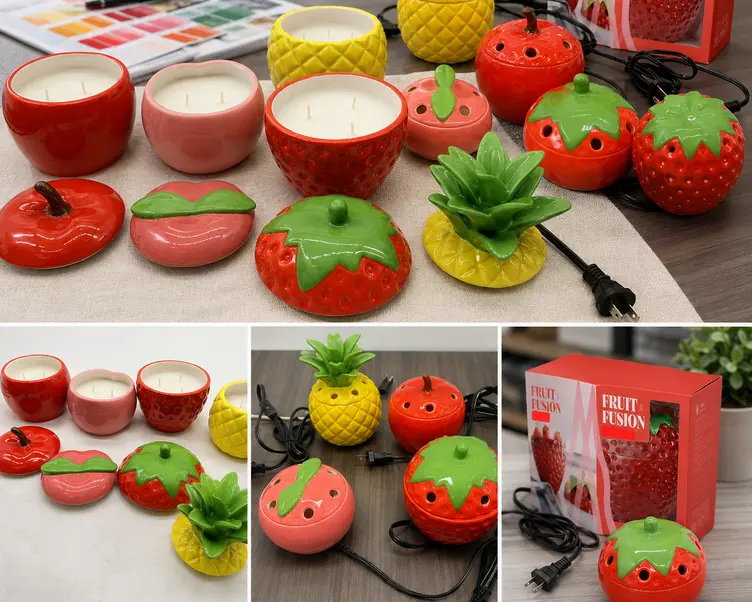
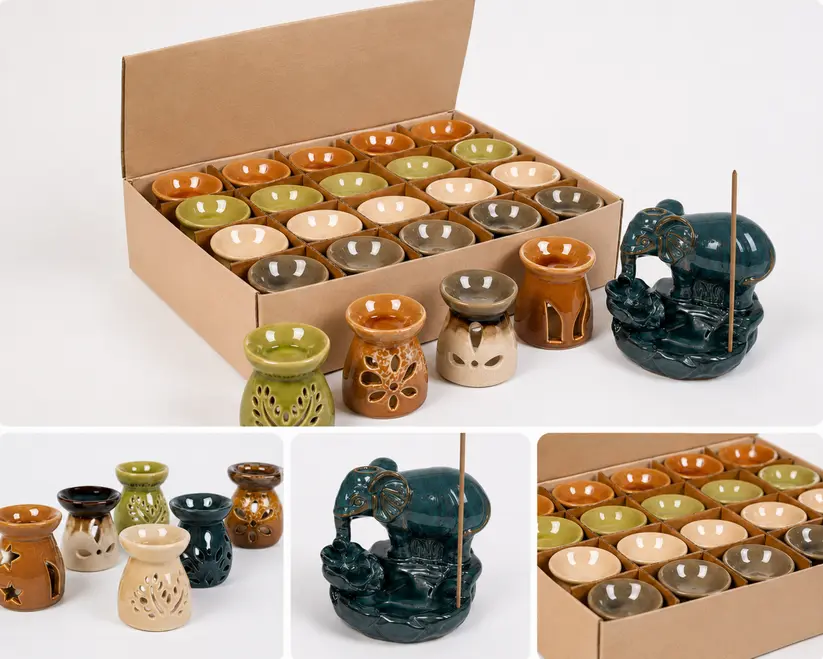
- For non-electric aroma wares, such as ceramic oil burners or glass candle jars, surface-process instructions are often missing. A color or texture reference may not establish the material, finish method or acceptable appearance variation.
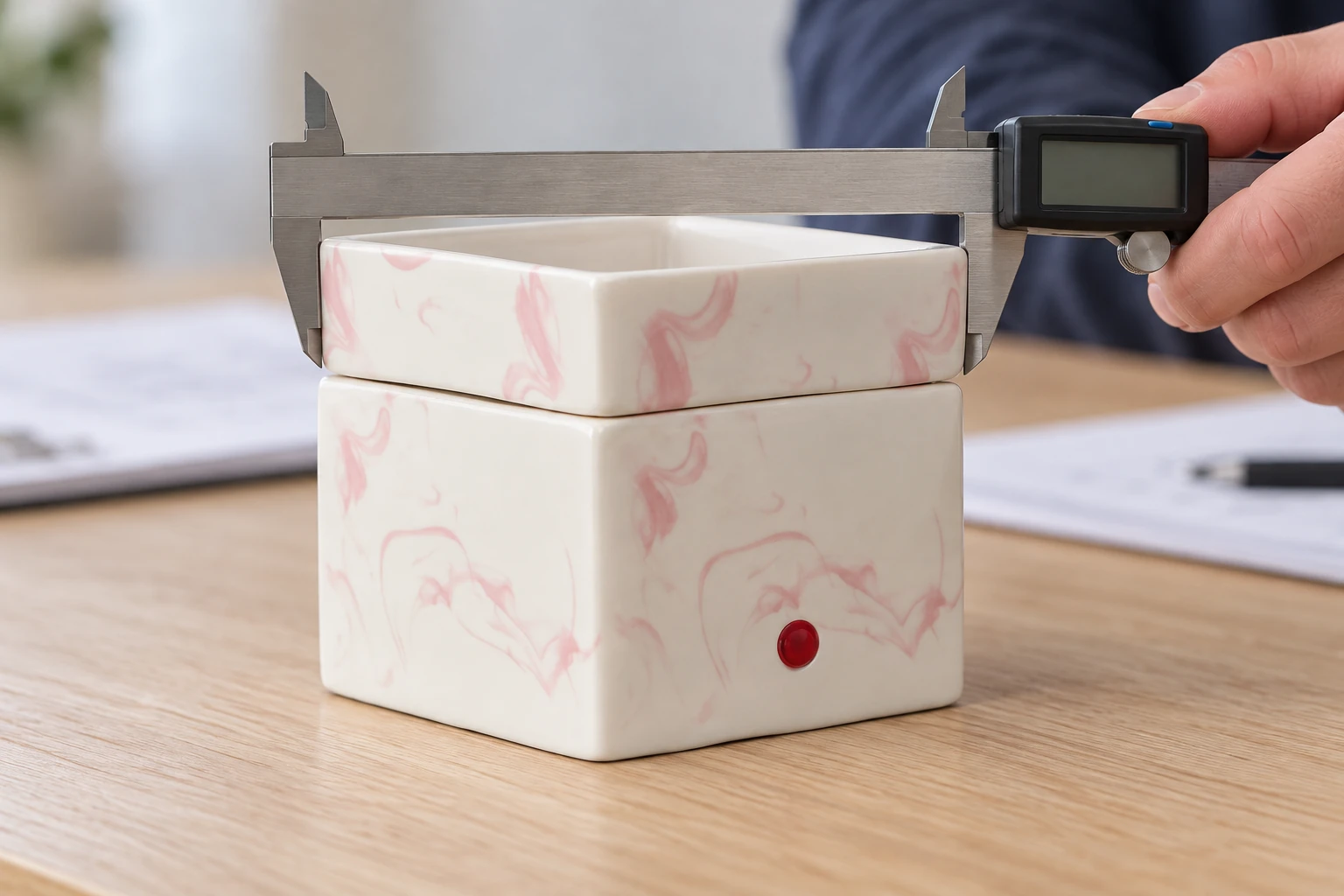
Products requiring assembly present another recurring gap: buyers may overlook dimensional tolerances between different materials and components. Tolerances are the permitted variations around specified dimensions. Parts need to fit across those variations, rather than only at the nominal dimensions shown in a drawing. Define relevant fits and clearances; for a reed diffuser bottle with a closure, for example, include sealing requirements where applicable.
This production-suitability assessment is often called design for manufacturability (DFM)[1]: reviewing whether the proposed design can be made and assembled using the intended materials and processes. Green-Life uses the customer's requirements and its product and production experience to identify gaps and assess the proposed approach. Any resulting clarification or adjustment needs to be presented for customer approval. Providing a drawing does not remove the need for review, and filling in missing details should not silently change the buyer's intent.
When the product still needs ODM development
ODM is appropriate when the buyer has a product objective but needs support turning it into a defined design and production approach. The starting point may be a market brief, an appearance concept, a special fragrance application or a performance requirement.
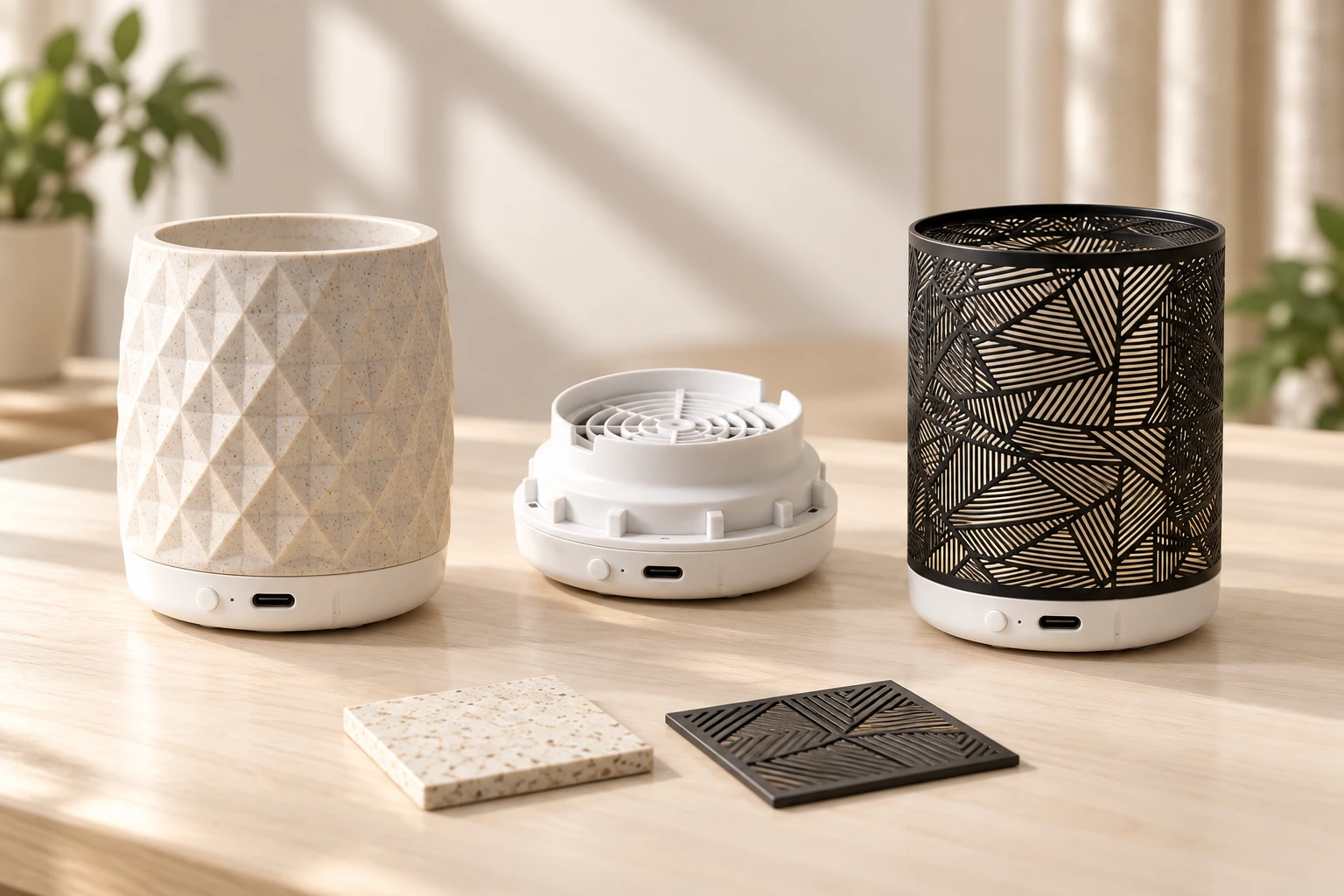
Distinguish between adapting an existing platform and creating a new one. A platform is the underlying structure or functional system that a product builds on. Keeping a suitable electronic platform while developing a decorative cover is different from developing a new internal arrangement or operating system.
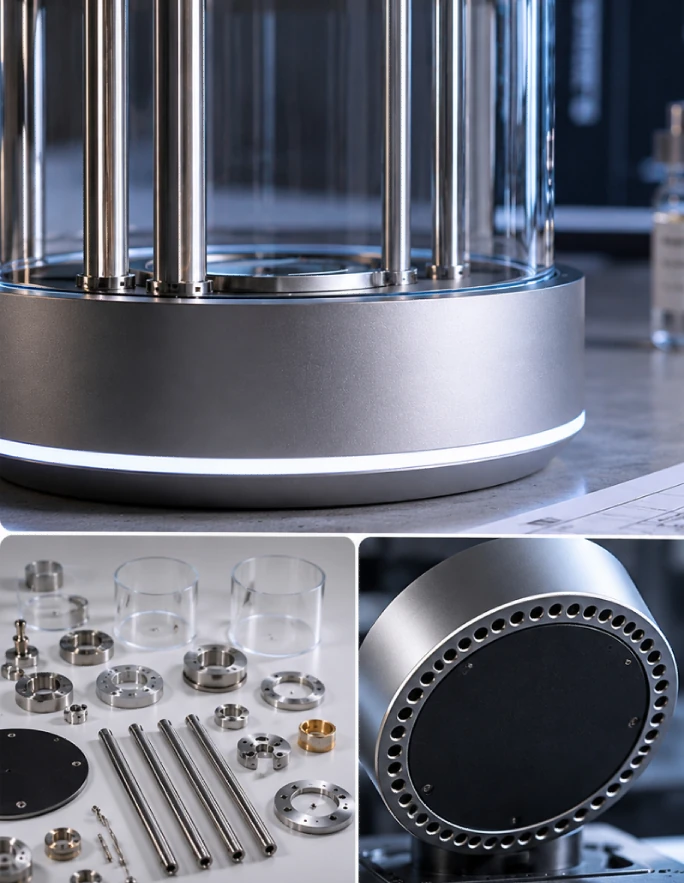
The extent of development determines the work required: concept refinement, material and structure selection, drawings, prototypes, tooling, validation and preparation for production. Confirm which steps apply to the actual project. A visual concept establishes a direction; it does not establish production readiness. Even an approved functional prototype does not demonstrate repeatable production. Agree on any pilot production, further validation and target-market compliance work needed, who will arrange and pay for it, and what must be completed before production proceeds.
Compare the inputs, reviews and approvals
The following comparison is a discussion framework. Individual projects may combine elements from more than one route.
| Route | Buyer’s main starting input | Green-Life’s review or development role | What the buyer needs to approve |
|---|---|---|---|
| Existing-product private label | Selected base product and branding or presentation requirements | Assess requested changes, review material/process compatibility, and check relevant samples | Agreed product configuration, branding, finish and packaging samples, with appearance references |
| OEM from a buyer-defined design | Drawings, specifications or reference samples, with intended use and requirements | Review completeness and production suitability, clarify gaps, and review or verify the proposed execution | Clarified specifications, agreed adjustments and relevant samples, with applicable acceptance criteria |
| ODM involving design and development | Product brief, intended use, essential functions and design priorities | Develop the proposal, review design and technical details, and conduct relevant checks before submission | Agreed design and functional requirements, stage proposals and samples, with applicable validation and acceptance criteria |
The shared sequence in Green-Life projects is review or verification first, followed by customer approval. The scope differs: OEM starts mainly from the buyer's defined design or requirements; ODM includes Green-Life's participation in developing the solution.
Make the meaning of each approval explicit. Approval of appearance should not be treated as evidence that functional or other technical checks are complete. Record what was reviewed, what the customer is approving, and what remains unresolved.
What two real projects show
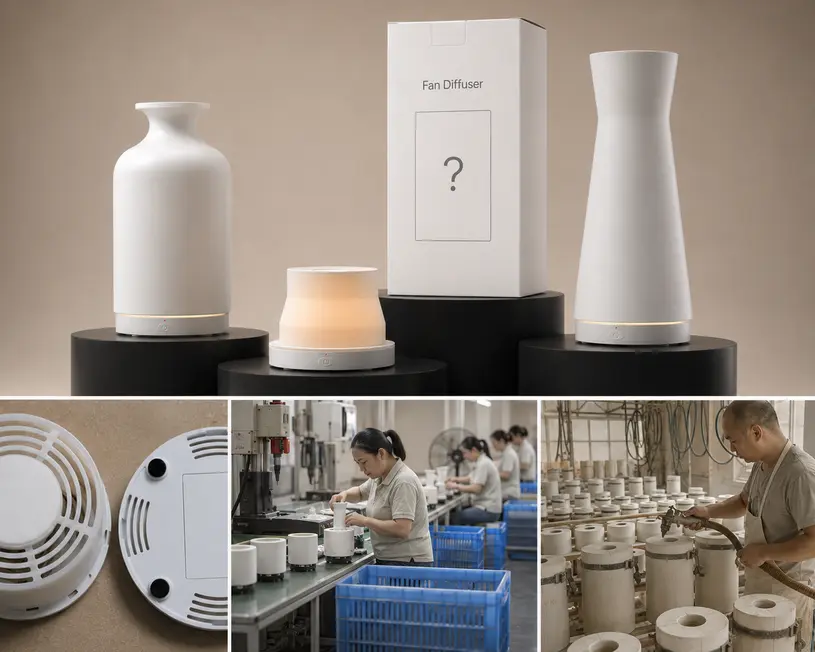
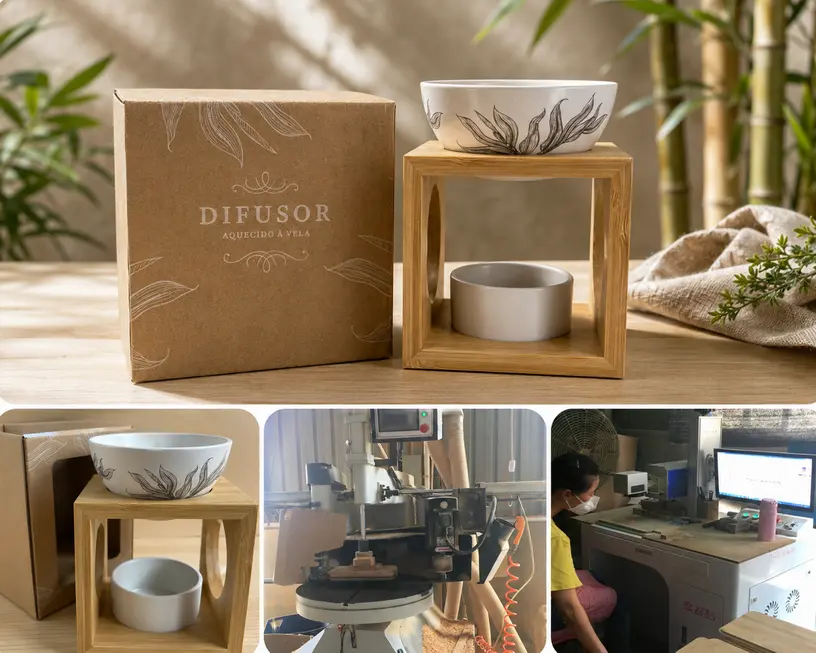
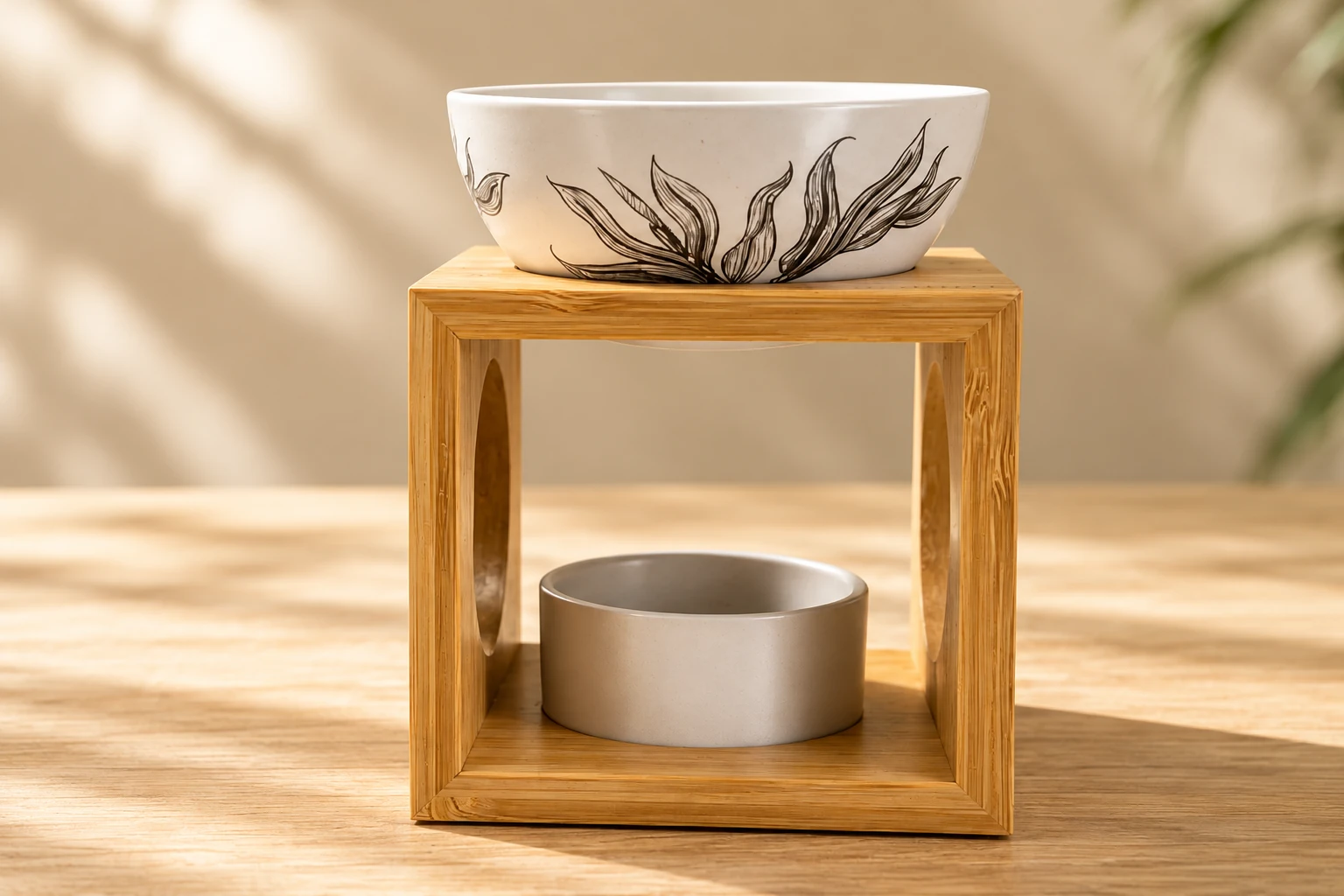
For a Brazilian home and lifestyle brand, Green-Life used an existing bamboo-frame and ceramic aroma burner platform. Burnt-logo branding, ceramic decal decoration and customized packaging created differentiation while retaining the core structure. The existing platform was suitable for the brief, so new structural tooling was not the starting requirement.
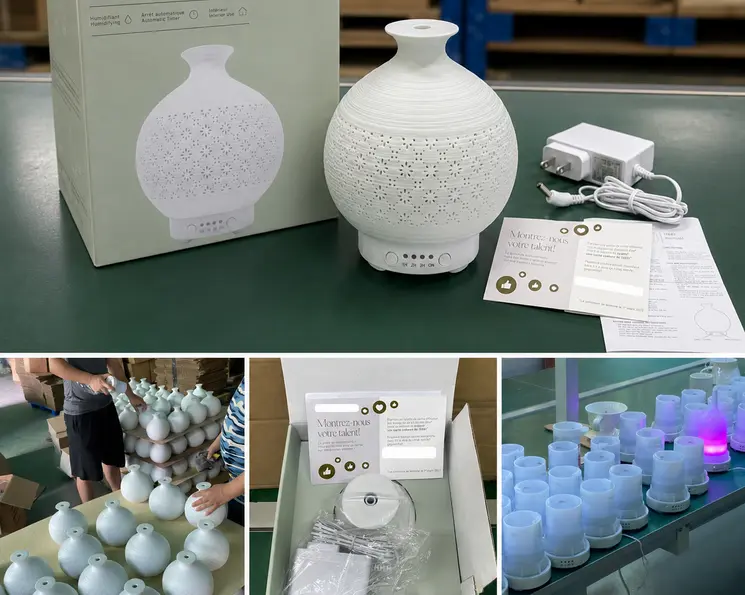
A Swedish electronics brand had a different need: a diffuser with a non-standard structure, specialized materials and defined performance targets. Green-Life coordinated electronics, structural components, materials, packaging and testing work. The project has since completed the relevant product certification, conformity documentation and testing work for its intended markets. The work included electrical safety and electromagnetic compatibility, alongside relevant material and chemical requirements. This shows why market requirements belong in the development scope, rather than being treated as paperwork after the design is finished.
These examples illustrate different development scopes. They do not establish a fixed cost, schedule or outcome for another project. The first retained a suitable base; the second required unresolved technical work to be developed and verified.
Confirm the scope before committing to a route
Ask for a proposal that identifies what will stay, what will change, and who will resolve the remaining decisions. It should also distinguish development work from production supply and identify the samples or checks needed before subsequent commitments.
Where relevant, put the design deliverables, tooling ownership and permitted use in writing. Clarify whether tooling may be used for other customers and whether any exclusivity is agreed. Also identify which design files will be supplied and any limits on their use. Paying a development or tooling charge should not be treated as a substitute for agreeing these terms.
For cost comparison, focus on the work your changes create: development fees, additional sampling, tooling, surface-process trials, packaging development and relevant testing. Identify who pays each charge, what it covers and how later revisions will be handled. Confirm the applicable quantity and schedule against the agreed configuration rather than assuming that one route is always cheaper or faster.
Choose the route that can meet the essential brief with a clear division of work. If the base product fits, retain it. If your design is defined, have it reviewed for production. If the solution is still incomplete, plan the development before approving production.
Sources
[1] National Institute of Standards and Technology (NIST). Automated Manufacturability Analysis: A Survey. NISTIR 5713, 1995. Accessed 14 October 2026. ↩