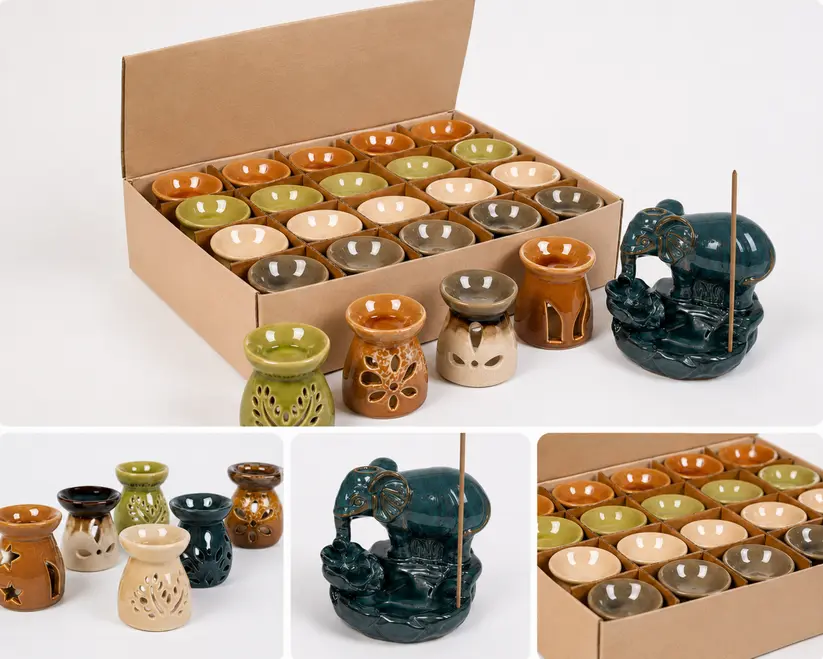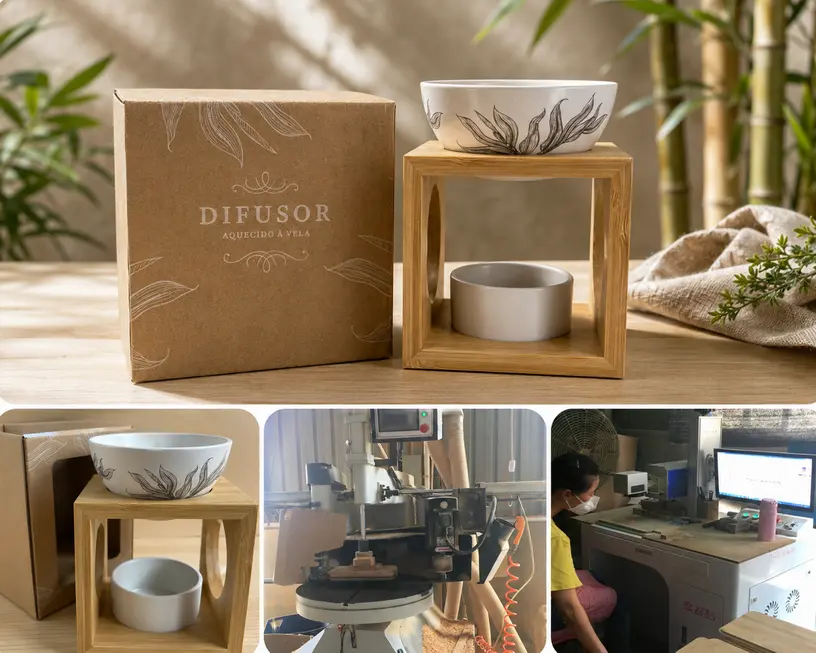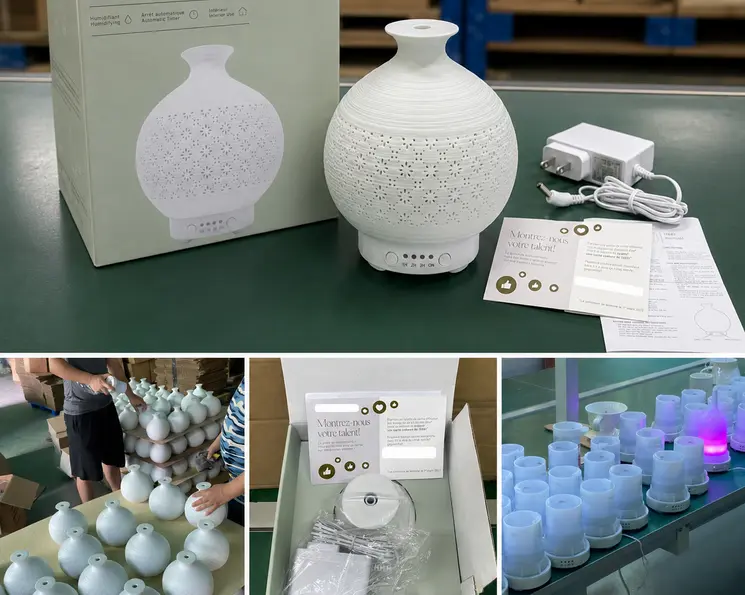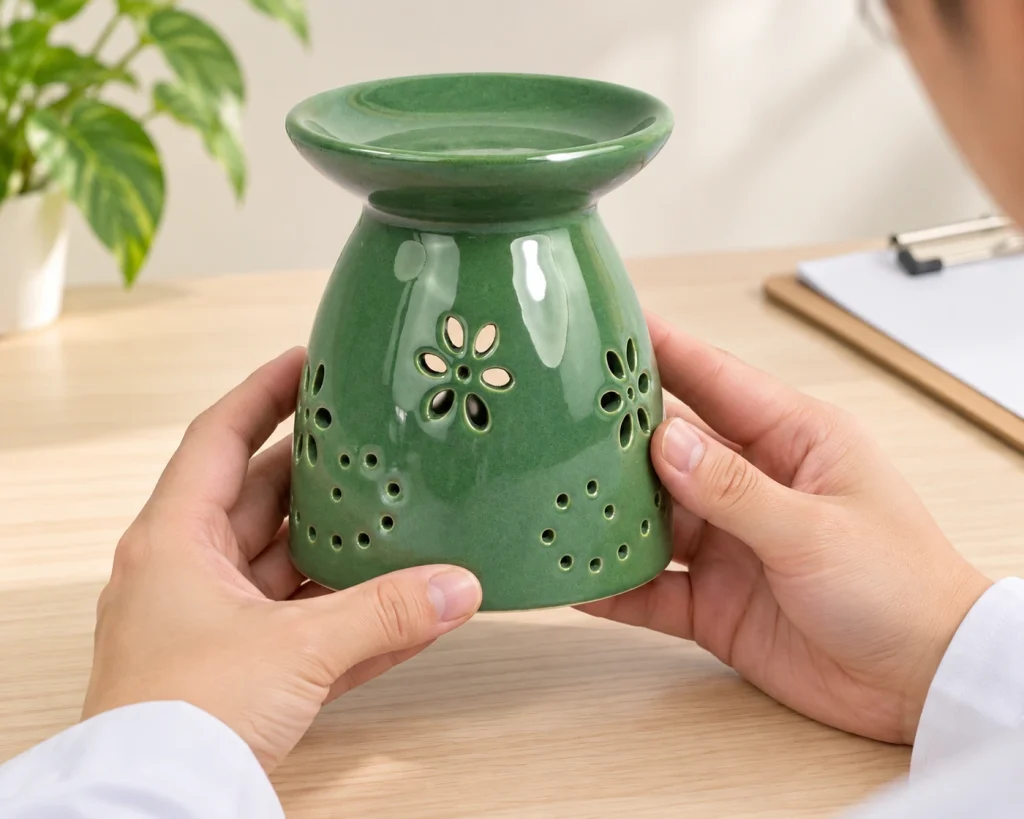
A ceramic brûleur à fioul can look different from the reference sample without necessarily having an appearance defect. Another piece may closely match its color but have a distorted base or a sharp edge around a cutout. Appearance inspection needs to distinguish these situations before a shipment is approved.
This guide focuses on ceramic appearance acceptance: glaze color, visible workmanship, shape and fit observations, and edge condition. It does not cover the full assessment of strength, heat performance or suitability for fragrance or wax contact. Where a visible finding raises one of those questions, further assessment is needed.
Start with the physical reference sample, assess the location and extent of any differences, and consider what they mean for the product's intended use. Then use the applicable inspection plan to decide whether the lot can be accepted or needs further action.
Buyers do not need to develop a technical inspection plan before Green-Life can manage quality. When a customer has not supplied one, Green-Life uses its accumulated product experience, physical reference samples and AQL-based sampling to carry out routine inspection. Where the customer has specific requirements, those requirements guide the inspection. Green-Life may also arrange unit-by-unit inspection according to the product's quality requirements and project needs.
What Should the Reference Sample Define?
A physical sample gives QC and production a shared point of comparison. It is more useful than instructions such as “good quality” or “the same as the picture,” especially when glaze color, texture and handmade details matter.
Green-Life generally uses physical reference samples. When a customer-approved sample is available, it serves as the reference. When the customer has not signed off a sample, Green-Life prepares a reference for its quality control work. Keeping its confirmation status clear helps everyone understand the basis for inspection.
For buyers, the practical question is what the reference represents: the shape, glaze effect, decoration, finish and any important fit or dimensions. If a particular feature is essential to the product's positioning or use, make that clear early. Green-Life can handle routine inspection without asking the buyer to define every possible ceramic imperfection.
One sample shows a target appearance. It may not show the full range of acceptable variation. Where that range matters, a small set of agreed examples can help distinguish a normal difference from an unacceptable departure. These may include acceptable and unacceptable examples or a limit sample—a physical example marking an agreed acceptance boundary.
This is particularly useful for a new finish or a recurring disagreement. It is a way to make a difficult judgment clearer, rather than a requirement for every customer to build a large sample library. Keep the reference and its confirmation status identifiable so that later inspection does not rely on an unrecorded substitute.
How Should Glaze Color Differences Be Judged?
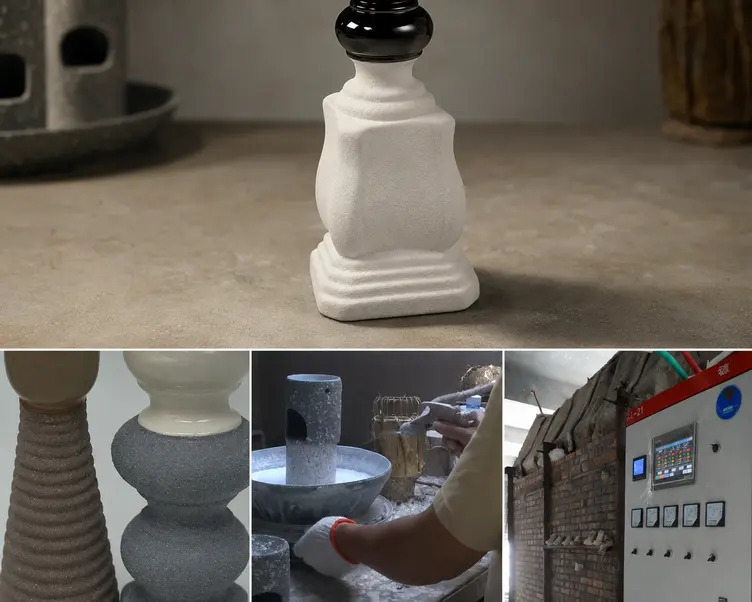
Glaze color is one of the most common sources of disagreement in Green-Life's ceramic projects. Small differences can occur between production batches. Whether a difference is acceptable depends on the intended finish and the appearance expected for that order.
Check Color Early After Firing
Green-Life generally arranges a QC check at the post-firing stage. Color comparison should be made once the products have cooled to room temperature. If an obvious difference from the applicable physical reference is found, it enters the confirmation process to determine whether subsequent work should continue.[1]
This early check gives the team an opportunity to address a visible problem before more work is committed to the affected products. It is an inspection point, not automatic approval of the finished shipment.
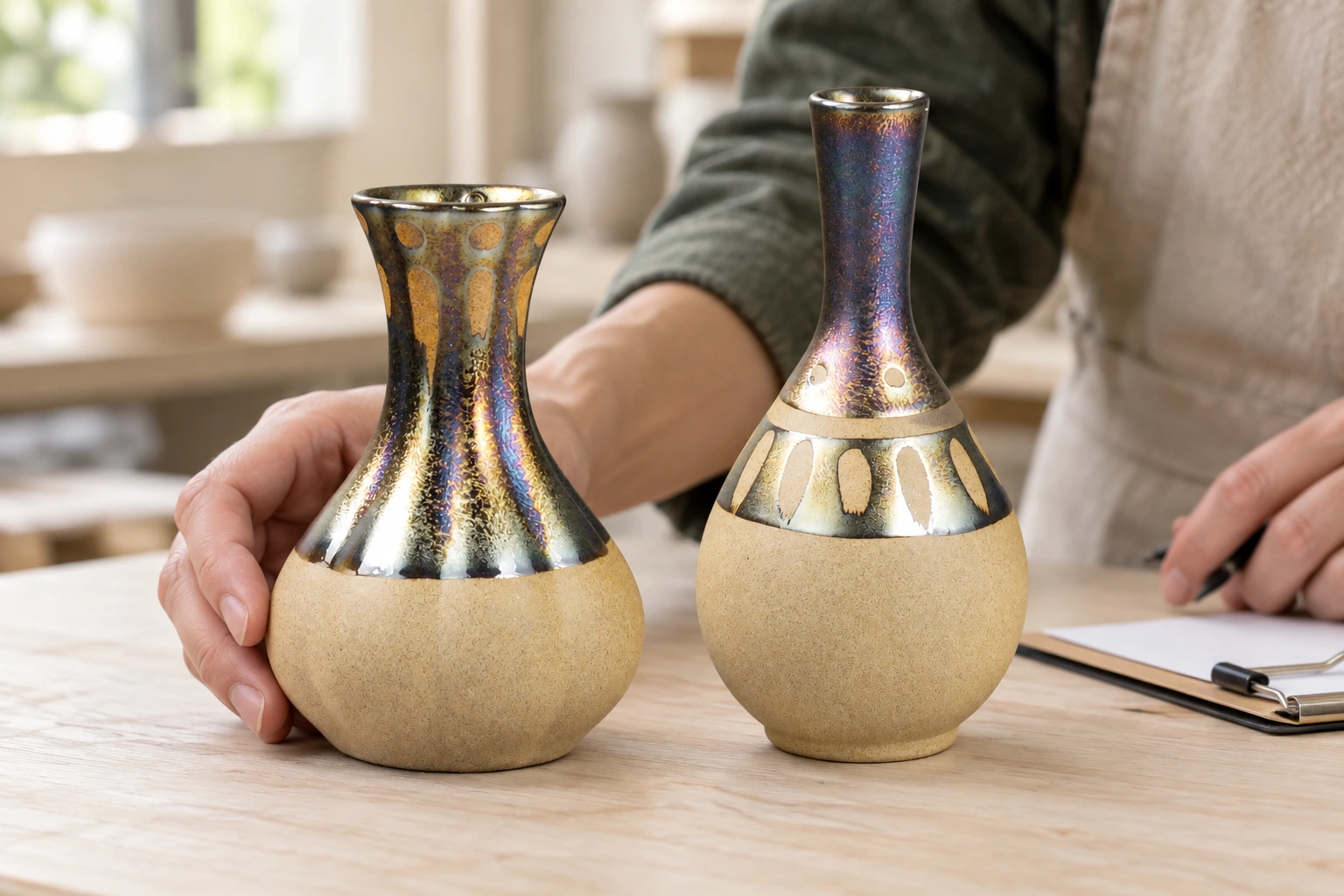
When comparing color, use the physical reference and the actual products under consistent viewing conditions. Lighting and the way pieces are positioned can affect a visual comparison. A photograph is useful for reporting the issue and showing the affected area, but a screen image alone should not settle a close physical color match.
Look at both individual pieces and the group. A difference that seems slight on one item may become more noticeable when products are displayed together. For a buyer selling a coordinated range, explain whether items are expected to match within a set or sit beside stock from earlier orders.
Treat Reactive Glazes According to the Intended Effect
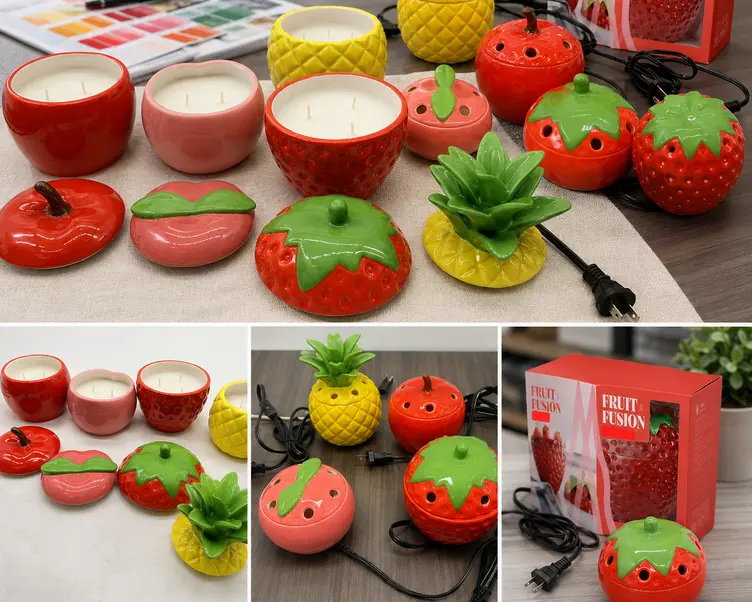
Reactive glazes need a different appearance reference from a finish intended to look uniform. Depending on the glaze, the intended variation may include changes in tone, flowing patterns or mottled areas. In Green-Life's experience, individual pieces can differ, and customers generally understand and accept this characteristic.
The important question is whether the result remains within the intended effect. “Each piece is different” should describe the design, rather than excuse every unexpected result. For a new project, reviewing several representative pieces can help communicate the variation more clearly than choosing one especially attractive sample.
A buyer may welcome changing tones or patterns while still expecting the product's overall character to remain recognizable. A reactive finish also does not remove the need to check shape, cracks, edges and other workmanship concerns.
What Should QC Check Beyond Glaze Color?
Many ceramic aroma wares combine molding with handwork. Green-Life encounters appearance differences and occasional disagreements between QC and production about what is acceptable. The inspection therefore needs to look beyond whether a piece resembles the sample at first glance.
Shape, Warping and Firing Collapse
Firing deformation deserves attention. In Green-Life's experience, thin-walled designs, extensive openwork and shapes that are wider at the top with a narrower base can be more vulnerable to distortion or collapse during firing. These are design features to review, rather than proof that every such product will fail.
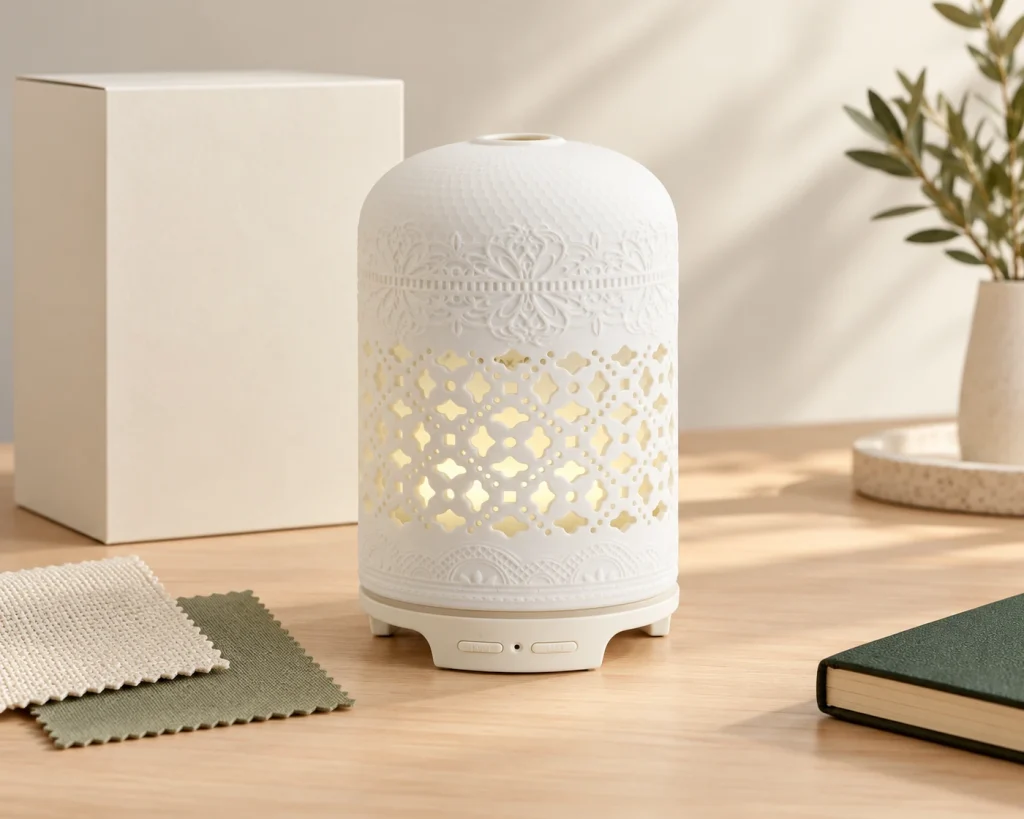
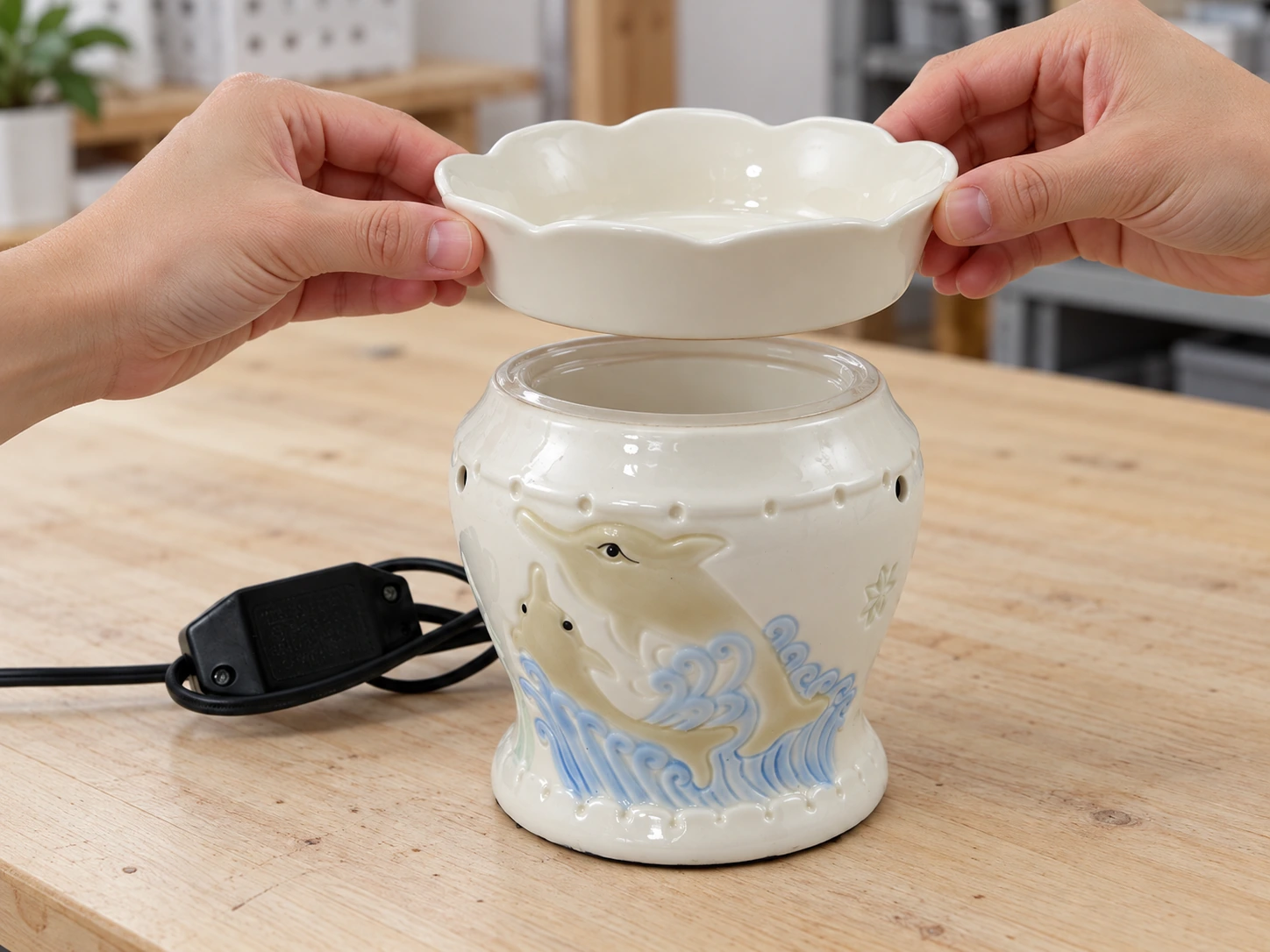
Compare the actual shape with the reference and any relevant dimensions. On a suitable flat surface, check whether the base rocks. Where applicable, check that a separate dish or lid seats correctly and that gaps are consistent with the intended design. Compare cutouts and supports with the reference for unwanted distortion; symmetry is only a requirement where the design calls for it. These checks make shape and fit differences easier to identify.
The intended use matters. An oil burner, candle jar, candle holder and incense holder do not have identical requirements. Where deformation raises a question about stability, containment or heated use, it needs the appropriate technical assessment; a pleasing glaze cannot resolve it.
Body and Glaze Surface Conditions
Green-Life's ceramic inspection points include mold seams, body residue, particles, pinholes, glaze bubbles, drips or runs, glaze buildup, uneven glaze and incomplete coverage.
These descriptions identify what to examine. They do not, by themselves, assign every finding the same severity. Record its location, size or extent, visibility and any effect on handling or fit, then assess it against the reference and applicable requirements.
For example, a visible mold seam needs comparison with the intended finish. A raised particle or glaze buildup may need closer attention if it changes the feel of a handled surface or interferes with fit. Incomplete coverage on a liquid-contact surface raises a different question from an unglazed area deliberately included in the design.
For appearance judgments, distinguish the main display surfaces from less visible areas, and identify surfaces that contact liquid, support the product or fit another component. A small mark on the front face may have a different presentation impact from the same mark underneath. However, a hidden area is not automatically unimportant: an inner wall may hold liquid, and a foot may determine how the product sits. An intentionally unglazed foot is also different from missing glaze where coverage is required. Apply criteria to the actual area and design rather than using one allowance for every surface.
Cutouts, Cracks and Edge Damage
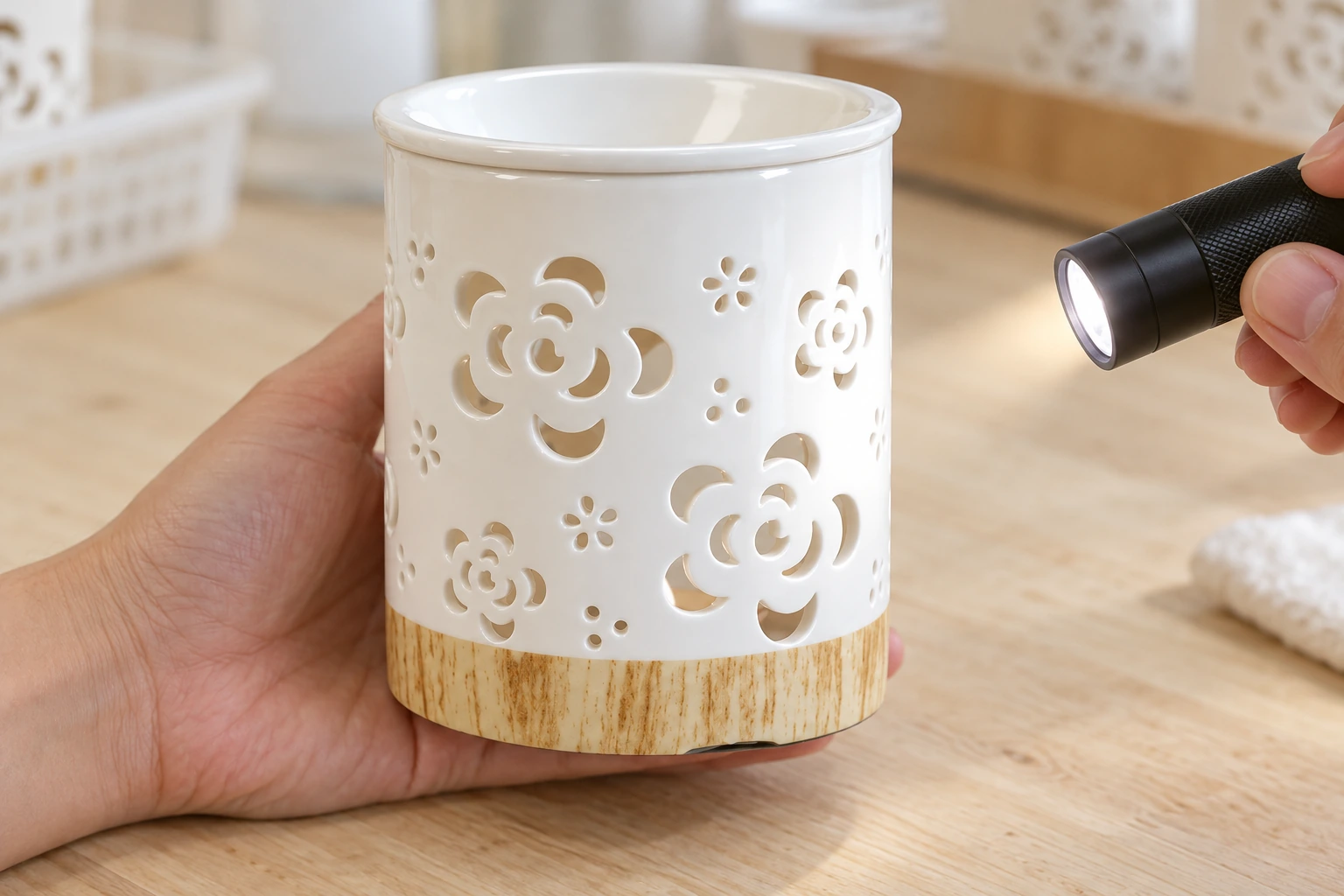
Openwork and cutout areas need particular attention for cracks, chipped edges and sharp surfaces. These can affect handling, cleaning or normal use, even when the main glazed surface looks satisfactory.
A structural crack in the ceramic body is different from an intentional crackle-glaze effect—a decorative network of fine cracks in the glaze. A suspected body crack or potentially cutting edge should be held for assessment, not passed as handmade character. Record chipped edges by location and extent, and check for sharpness or other damage. If the type of cracking is uncertain, seek technical review rather than deciding from a photograph alone. Do not test a suspect sharp edge by sliding a bare hand over it.[2]
Even when a crackle effect is intentional, appearance approval alone does not establish suitability for liquid contact or heated use. Those requirements need separate consideration for the actual product.
Visual inspection also has a defined reach. It can identify visible concerns; it does not establish every aspect of strength, heat performance or suitability for fragrance or wax contact. Any necessary performance checks remain separate from appearance acceptance.
How Does Green-Life Manage Routine Inspection?
Green-Life takes responsibility for routine quality inspection, including when a buyer has no inspection plan of its own. The aim is to manage normal inspection decisions and bring significant unresolved issues to the customer with useful information.
Routine AQL-Based Sampling
AQL means acceptance quality limit, an index used in acceptance sampling plans. ISO 2859-1 describes an AQL-indexed system for lot-by-lot inspection by attributes—checks in which products are assessed against requirements and classified accordingly.[3]
Two decisions need to remain distinct. First, the inspector determines whether an inspected item meets the applicable requirements. The reference sample, product experience and relevant specifications support that judgment. Second, the sampling plan uses the inspection findings to determine whether the lot is accepted or rejected.
Where the inspection plan uses Critical, Major and Minor defect classes, define them for the product and the consequences of a finding. A potentially cutting edge needs safety-related assessment; severe distortion that prevents intended use differs from a small cosmetic mark. Do not classify every crack, pinhole or glaze variation by its name alone. The applicable plan should also specify whether counts refer to nonconforming units or individual nonconformities, so inspection results are recorded consistently.
Green-Life applies the relevant inspection arrangement for the customer and project. A buyer with established requirements can provide them; a buyer without a plan can rely on Green-Life to manage routine inspection using its product experience and AQL-based sampling.
An accepted lot does not mean every piece is identical or that sampling has demonstrated zero defects. Likewise, the initial check after firing does not replace the later shipment inspection.
Unit-by-Unit Inspection According to Project Needs
Depending on the product’s quality requirements and project needs, Green-Life may also carry out unit-by-unit inspection of specified quality checks.
The scope still matters. Checking every unit for visible surface and edge concerns is different from testing every unit for every possible performance issue. The buyer should understand what is being checked, while Green-Life handles the practical inspection work. Full inspection should not be described as a guarantee that no defect of any kind can remain.
How Should Inspection Disputes Be Resolved?
Routine ceramic judgments should not turn into a stream of technical questions for the buyer. However, when QC and production have a substantial disagreement that may affect the customer's sales, Green-Life reports the issue honestly and in detail.
The discussion can then focus on a practical decision: accept the shipment, sort the products for shipment, or rework or remake the affected goods. These are options to assess with the customer, rather than automatic outcomes for every visible difference. A technical or safety concern also needs its own resolution; commercial acceptance alone does not establish suitability for use.
A useful issue report should make the decision easier:
- Identify the product and reference sample being compared.
- Show the difference, its location and the inspection findings available.
- Explain the possible effect on presentation, fit or use, distinguishing confirmed findings from concerns needing further assessment.
- Set out the available handling options and any implications that still need confirmation.
- Record the customer's decision and the further checks needed before shipment.

For ceramic reed diffuser vessels, oil burners, candle jars, candle holders, incense holders and bakhoor burners, good appearance control begins with understanding the intended product. Green-Life combines that understanding with physical references and inspection, so buyers receive clear decisions and focused communication when an issue needs their attention.
Sources
[1] Skutt. The Basics. https://skutt.com/skutt-resources/resources-just-for-you/potter/the-basics/. Consulté le 14 octobre 2026. ↩
[2] Mayco. Classic Crackles. https://www.maycocolors.com/color/fired/classic-crackles/. Consulté le 14 octobre 2026. ↩
[3] ISO. ISO 2859-1:2026 — Sampling procedures for inspection by attributes, Part 1. https://www.iso.org/standard/2859-1. Consulté le 14 octobre 2026. ↩