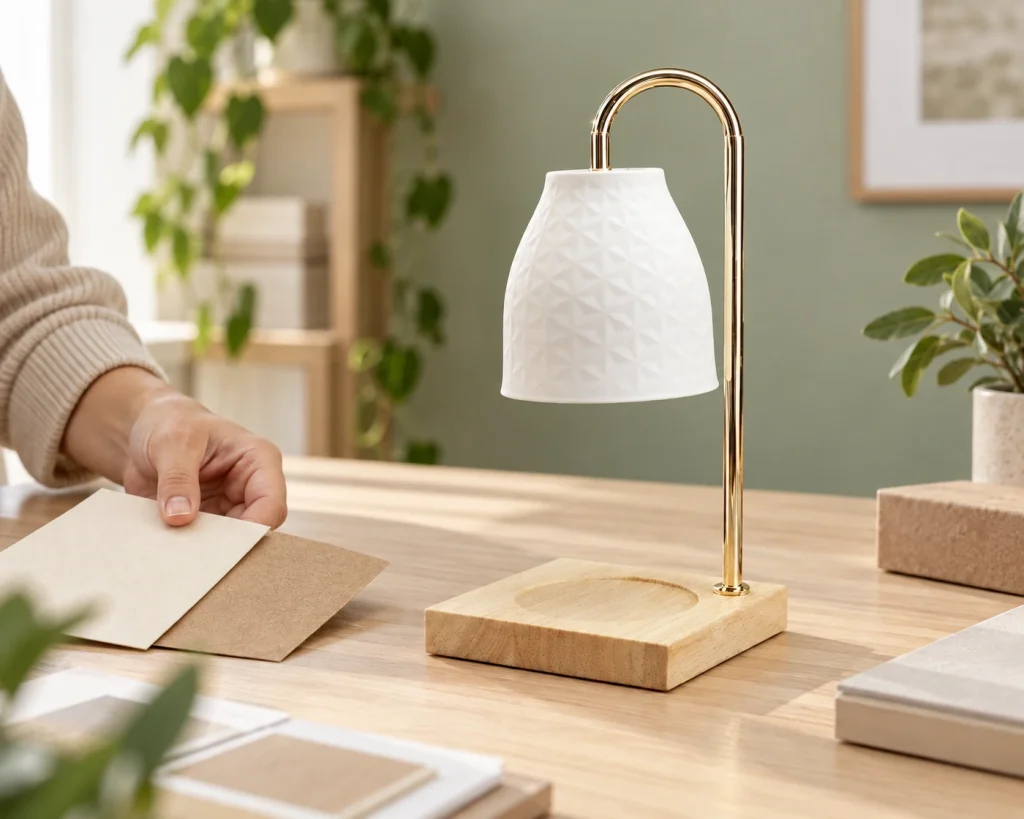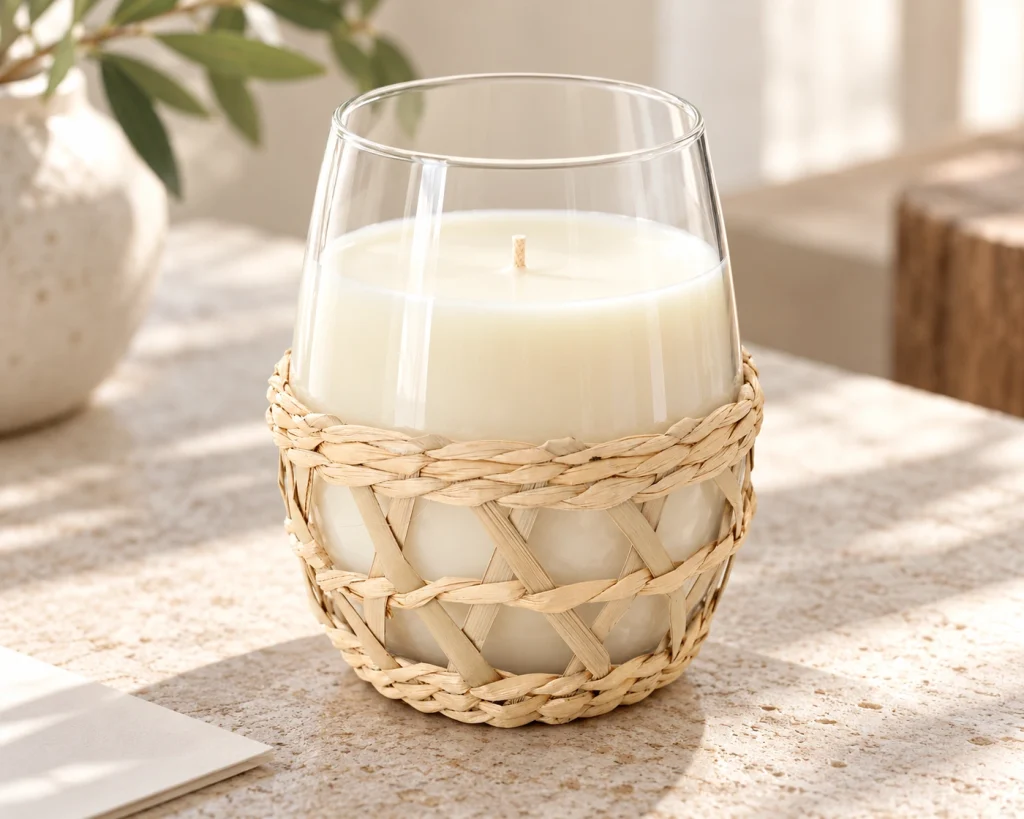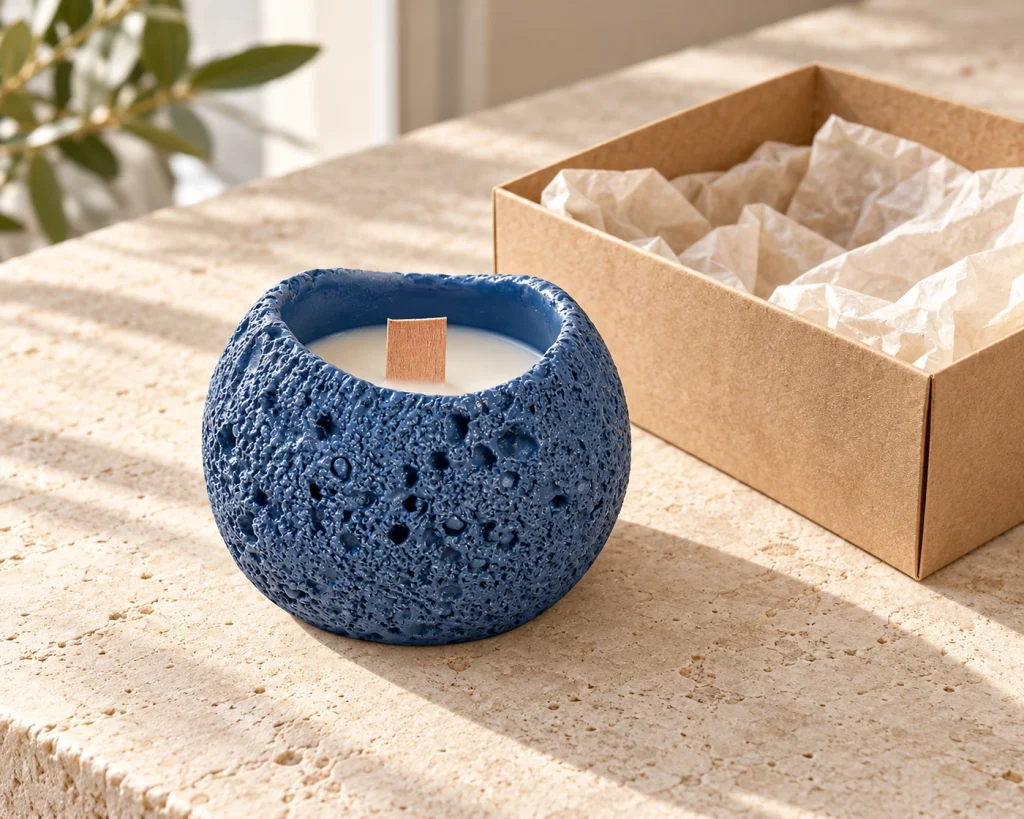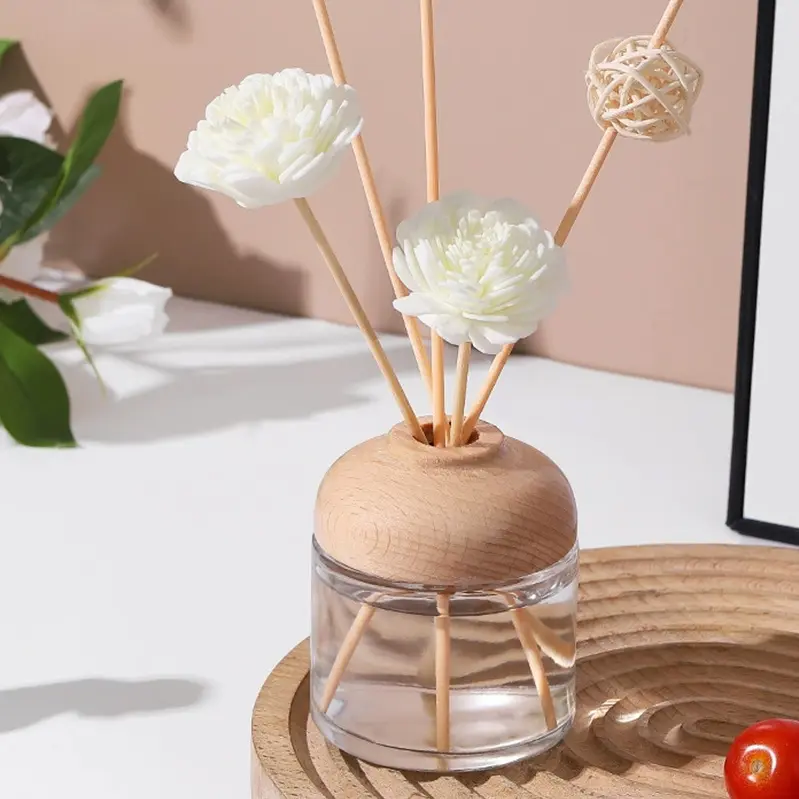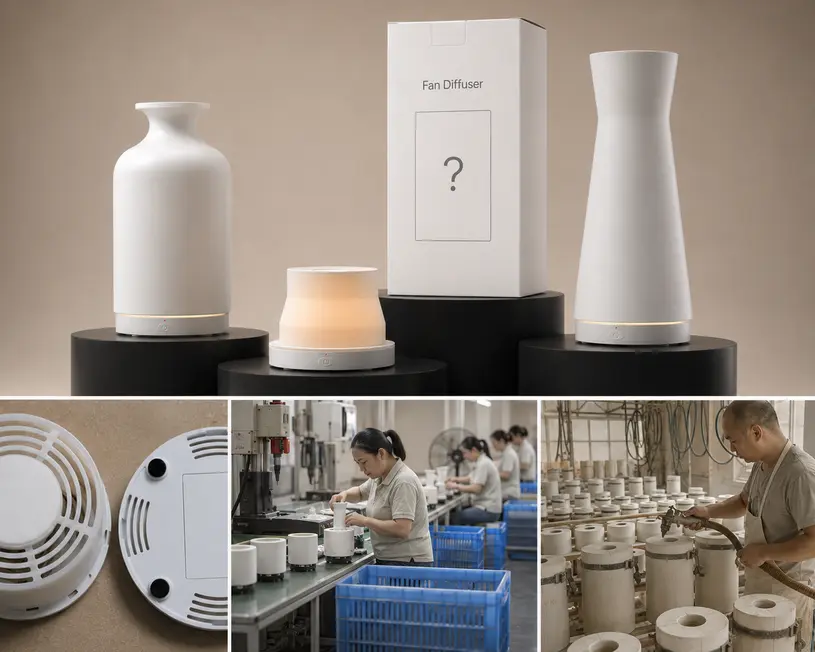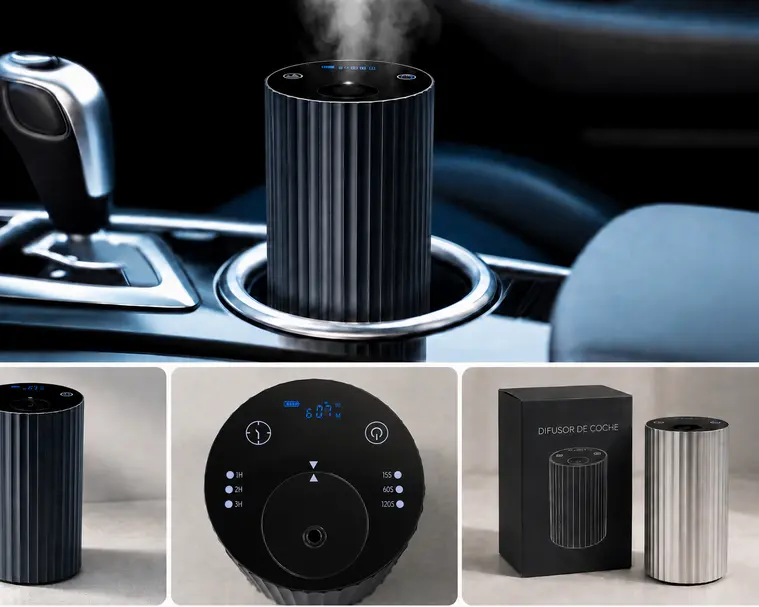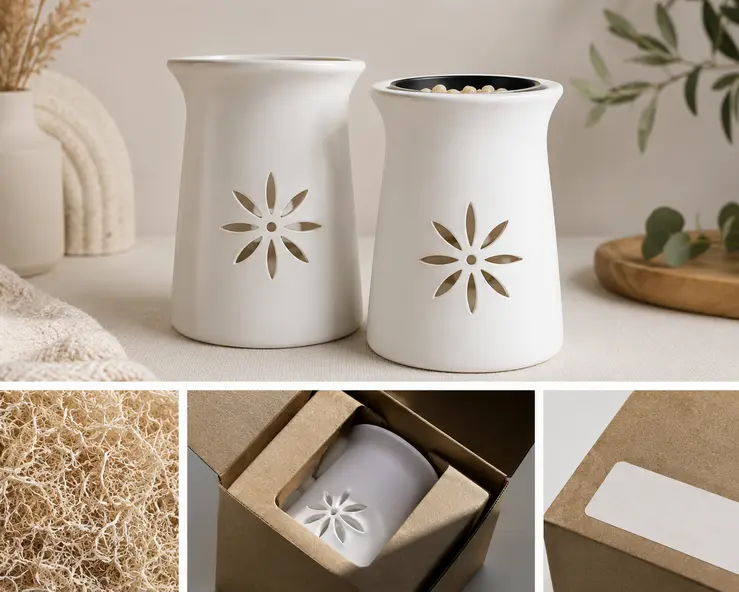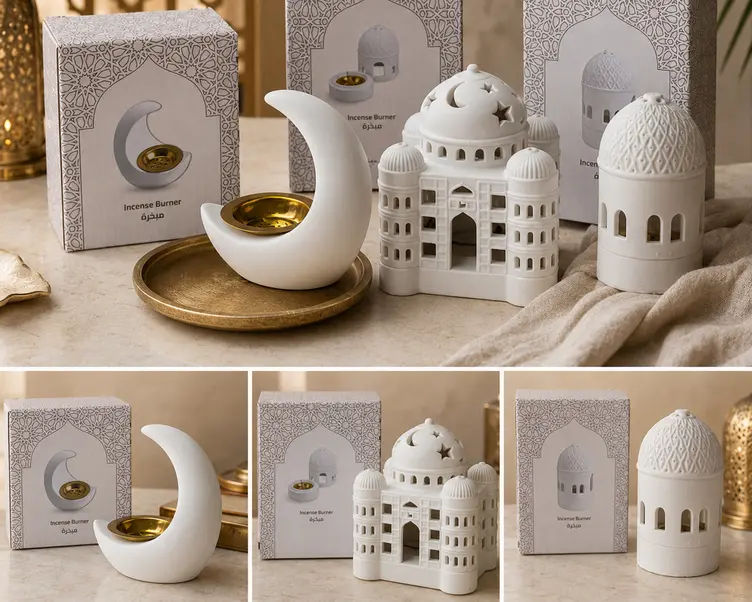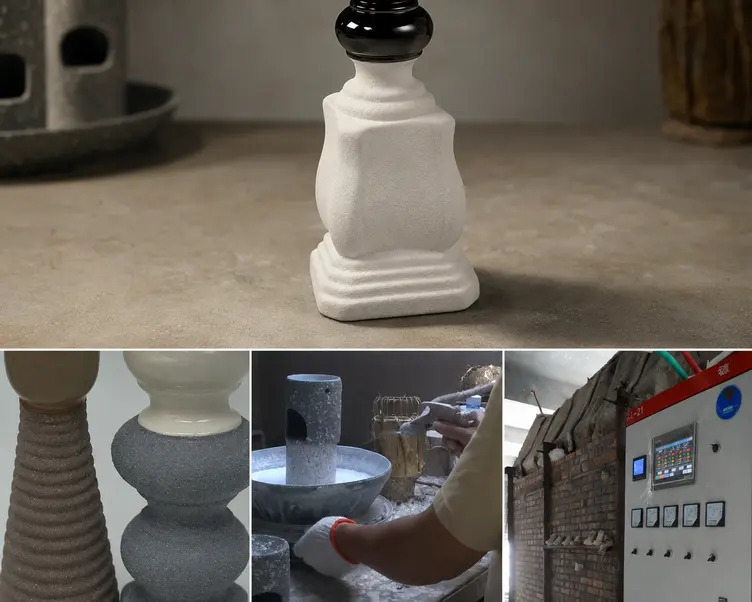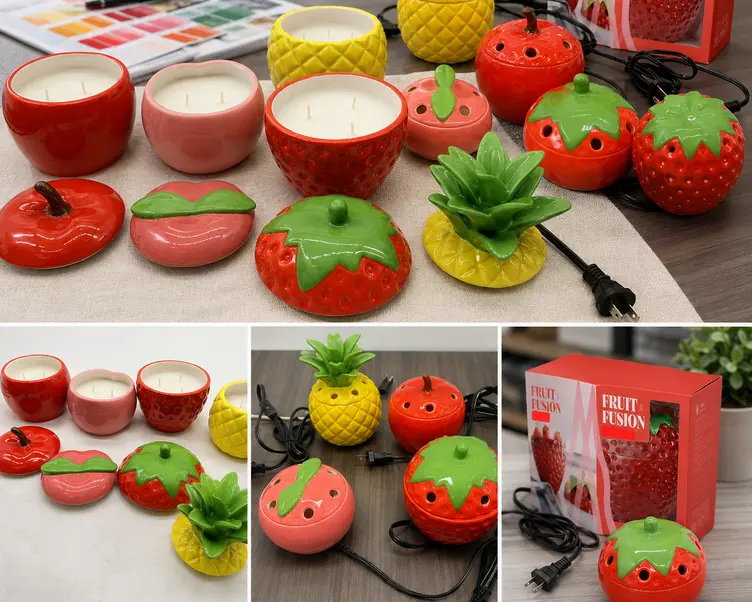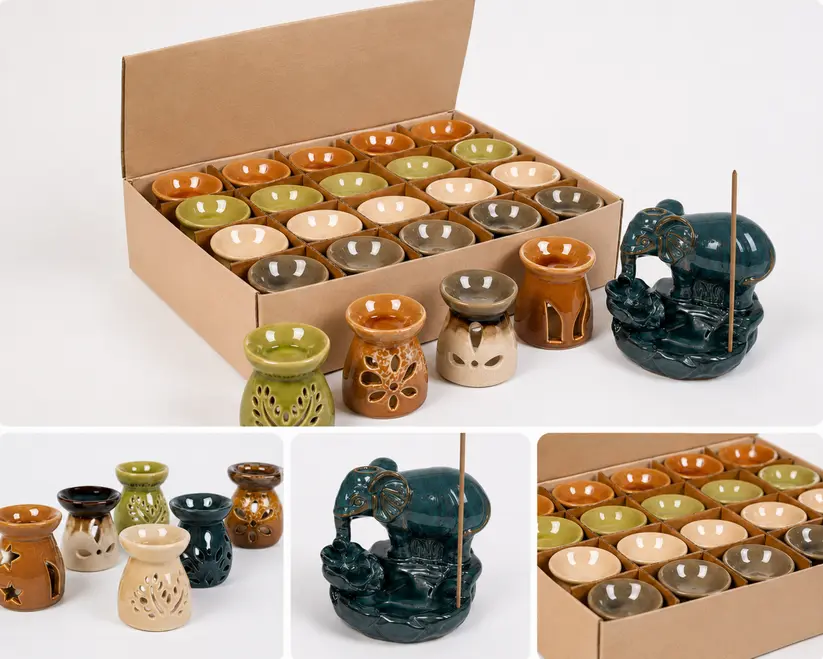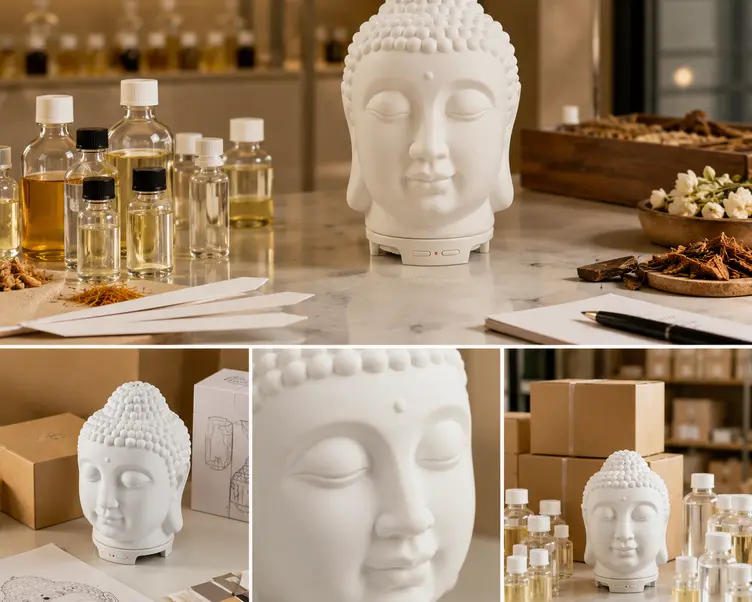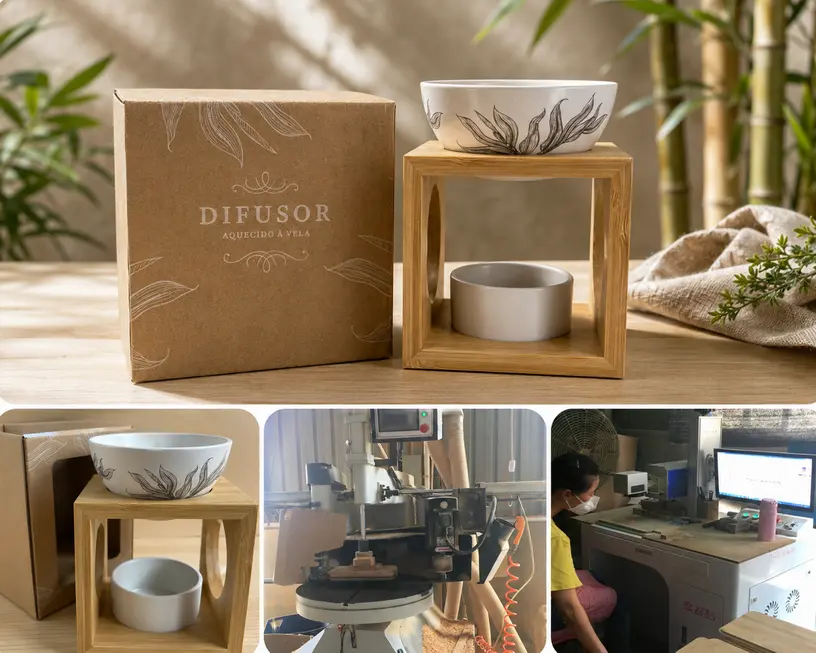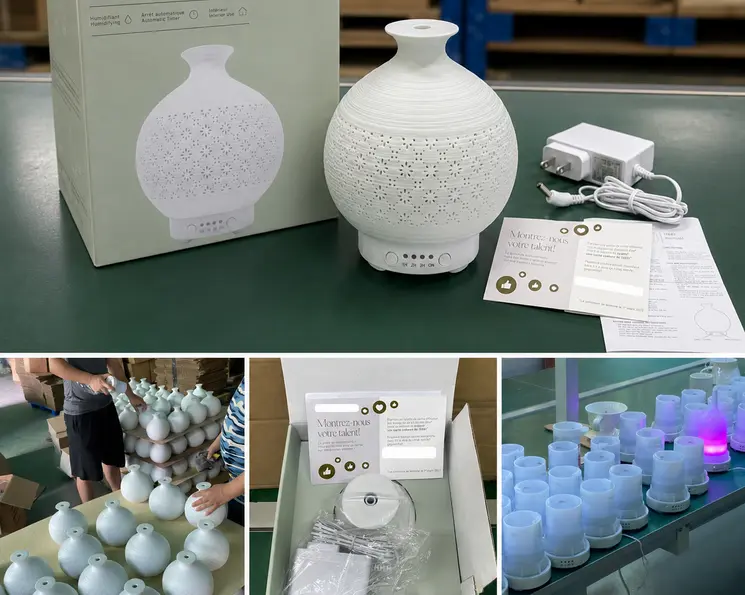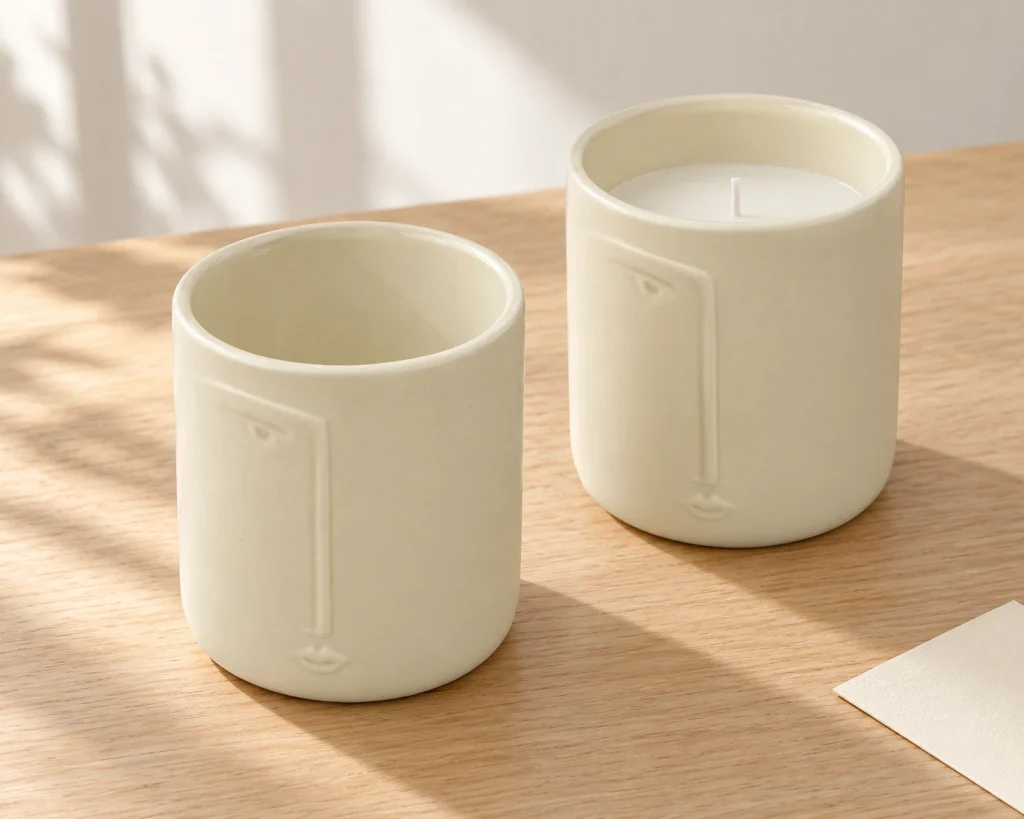
For brands that produce essential oils, fragrance liquids or candles locally and handle their own filling, the usual requirement is to source empty vessels for their products. Brands that use a local filling partner can also source vessels separately. If you want a partner to coordinate the liquid or wax, filling and complete packaging before export, a finished-product order may suit your project better.
Green-Life supports both routes for reed diffusers and candles: exporting empty vessels, or coordinating fragrance liquid or wax materials, filling and complete packaging before export. The useful starting point is to decide which parts of the product you already have in place and which you want help bringing together.
What Are You Buying: Empty Vessels or a Finished Product?
With an empty-vessel order, you purchase the bottles or candle jars and any agreed accessories or packaging. Your own operation or a separate filling partner completes the product. You might source decorated bottles with closures and reeds, or candle jars with matching lids, while arranging the contents and filling elsewhere.
With a filled-product order, the agreed supply scope brings the contents, vessel, filling and packaging together before export. Specify what the finished unit includes: the fragrance, fill quantity, accessories, labels, retail box and shipping protection. A photograph of a boxed product is not enough to define those details.
There is also a retail format worth distinguishing: an empty decorative diffuser vessel packed with a separate sealed fragrance bottle and diffusion accessories. The consumer adds the liquid at home, but buys a complete set. Include the sealed liquid when having the shipment assessed for transport classification, packaging and carrier acceptance.
When Does Sourcing Empty Vessels Make Sense?
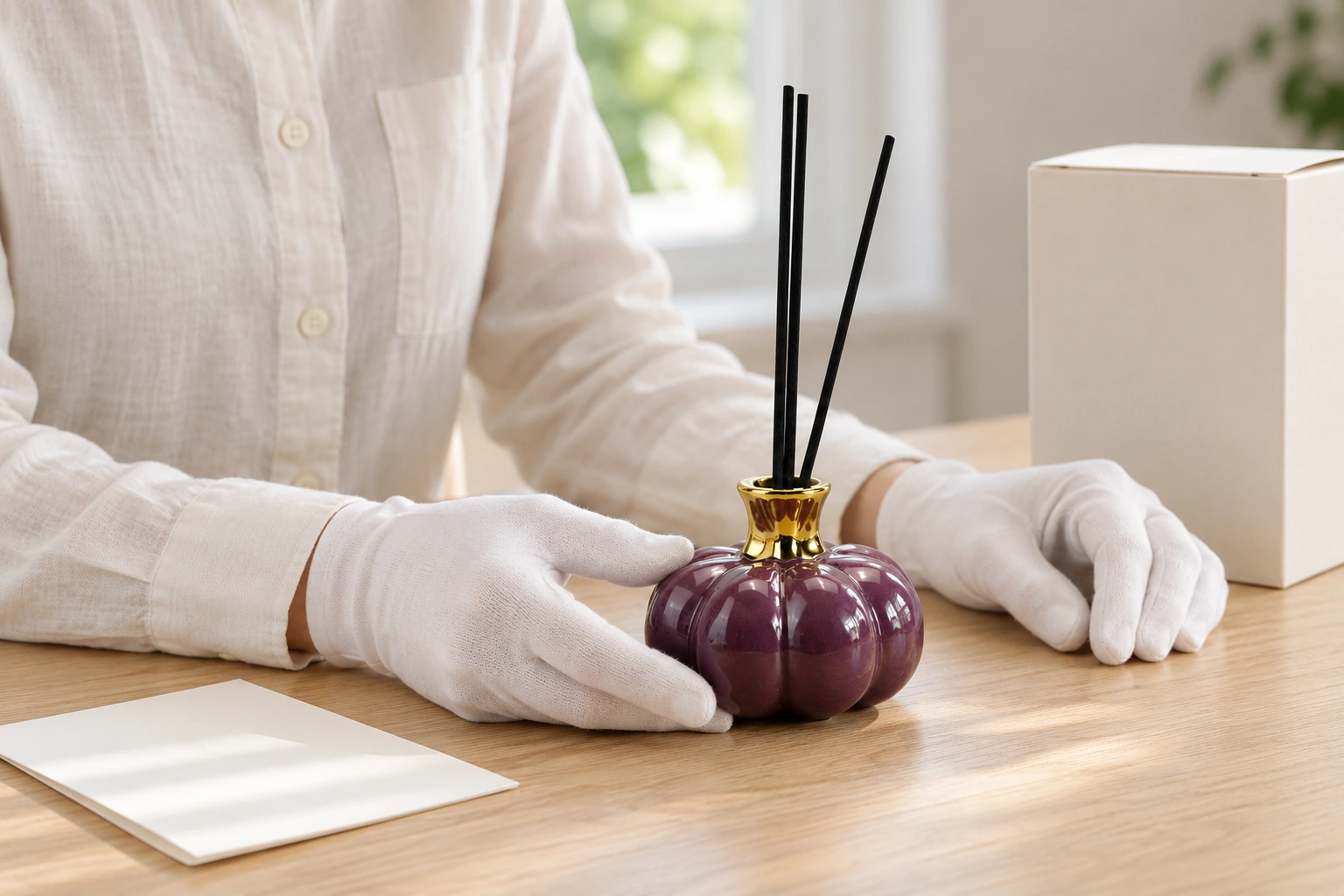
Some buyers are themselves local essential oil producers, fragrance liquid manufacturers or candle makers. They already make the contents and handle filling, so they come to Green-Life for empty bottles oder candle jars to use in their own production. Their purchasing focus is the vessel, its decoration, matching accessories and any required packaging.
For these brands, the task is to find vessels that fit their existing products and production process. A candle maker may want a new decorated jar for an established range; a fragrance liquid producer may need bottles and reeds for a new diffuser collection. A brand that uses a local contract filler can follow the same sourcing route, with the filler involved in sample assessment.
Before approving a bulk reed diffuser bottle order, have your production team or filling partner check the intended liquid’s compatibility with the bottle, any liquid-contact decoration and closure materials, as well as fragrance delivery through the selected reeds. For bottles shipped filled and sealed, agree leakage checks that reflect the expected transport and storage conditions.
For candles, ask the vessel supplier for relevant container specifications and test records, including thermal shock performance for glass jars where applicable. Your own candle-making team or manufacturing partner also needs samples for filling and burn evaluation with the intended wax, fragrance and wick. Agree who provides container test evidence and who evaluates the complete candle before finalizing the product.
Agree where the vessels will be delivered, who checks them on arrival, and what your production team or filler needs before starting. Use the same approved vessel specifications for purchasing, production and inspection, with a clear contact for questions about fit or quality.
When Does a Filled and Packed Product Make Sense?
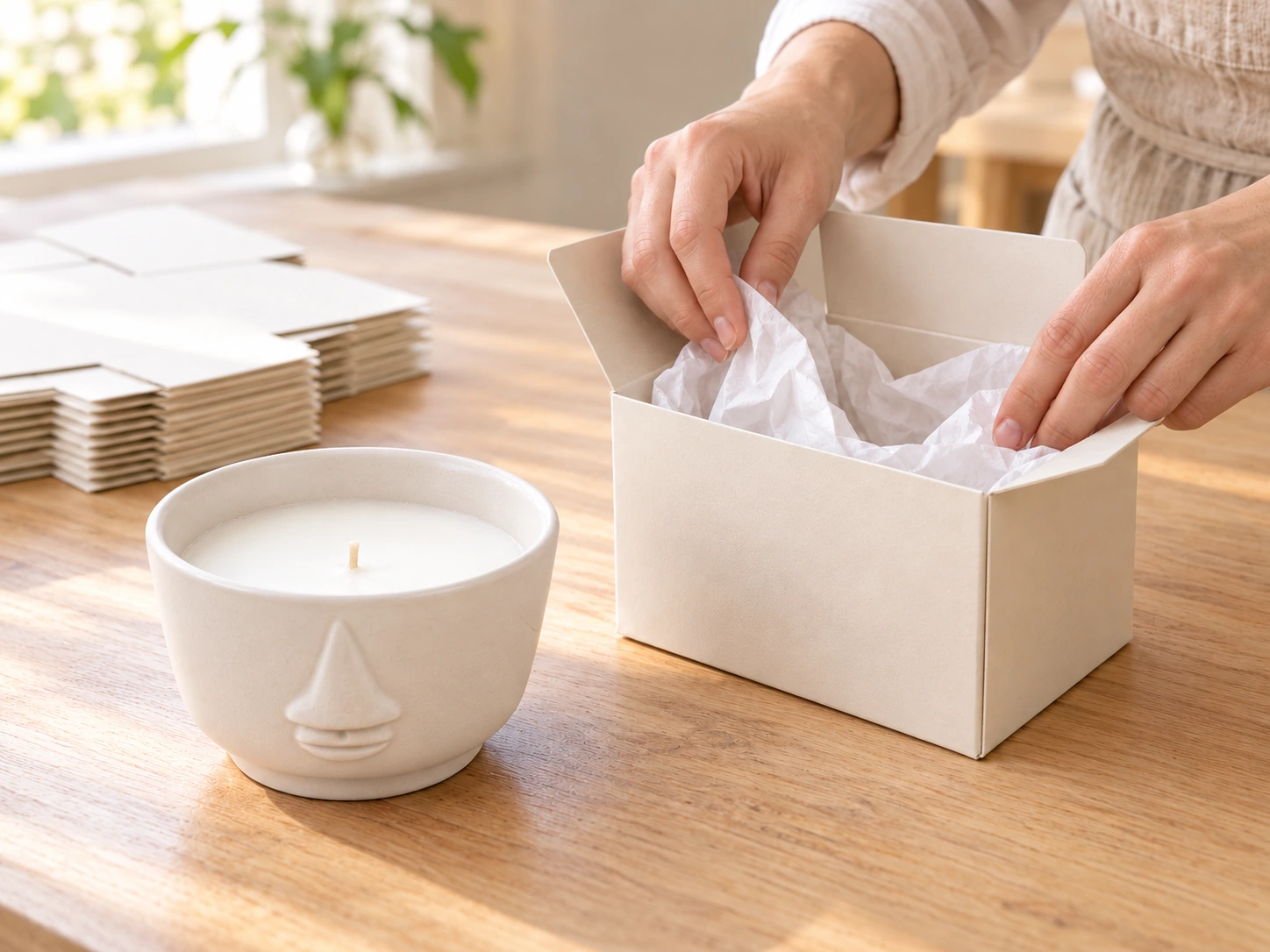
A filled-product order is worth considering when you want the components, filling and packaging coordinated through one project contact. This can suit a brand that has a clear product idea but has not arranged its own filling operation or partner.
You still shape the product. Start with the fragrance direction, vessel style, intended fill quantity, target market and presentation. Then review the proposed combination and a complete sample. The available choices may include existing components or project-specific customization, depending on the agreed scope.
Ask what the partner will supply and what you need to provide. You may already have a fragrance you want to use, approved packaging artwork, or a particular bottle design. Clarify how those inputs will be assessed and incorporated before treating the project as ready for production.
If you plan to send your own fragrance liquid across borders for filling, confirm the receiving party, import arrangements and carrier requirements before dispatch. Provide the actual liquid’s safety data sheet (SDS) for review, and agree any additional documentation, costs and time needed for that shipment.
This route puts more coordination with the supply partner. Your team should still allow time to review samples, answer product questions and approve the final specification. That involvement helps ensure the finished shipment matches the product you intend to sell.
Compare the Complete Route to Your Warehouse
Compare both options at the same endpoint: the agreed number of finished, packed units delivered to your chosen warehouse. The price of an empty jar and the price of a filled candle cover different amounts of work.
| What to compare | Empty vessels for your own or a partner’s filling | Filled and packed before export |
|---|---|---|
| Product materials | Identify who supplies the liquid or wax, accessories and packaging. | Confirm which materials and packaging are included in the finished-unit quote. |
| Sampling and evaluation | Arrange assessment by your production team or filling partner. | Confirm the complete sample and the evaluation included in the project. |
| Quantity and unused materials | Align component and filling quantities, including agreed allowances for losses or damage. | Confirm quantities per fragrance and design, component minimums and any unused-material charges. |
| Transport and handling | Include delivery to your production site or filler and onward shipment after packing. | Confirm transport classification, carrier acceptance, packing requirements and applicable freight charges. |
| Timing | Connect vessel arrival, filling availability and packaging readiness. | Connect material approvals, filling, packing and export readiness. |
| Repeat orders | Keep vessel and filling specifications aligned across partners. | Confirm how the approved fragrance, components and packaging will be identified for reordering. |
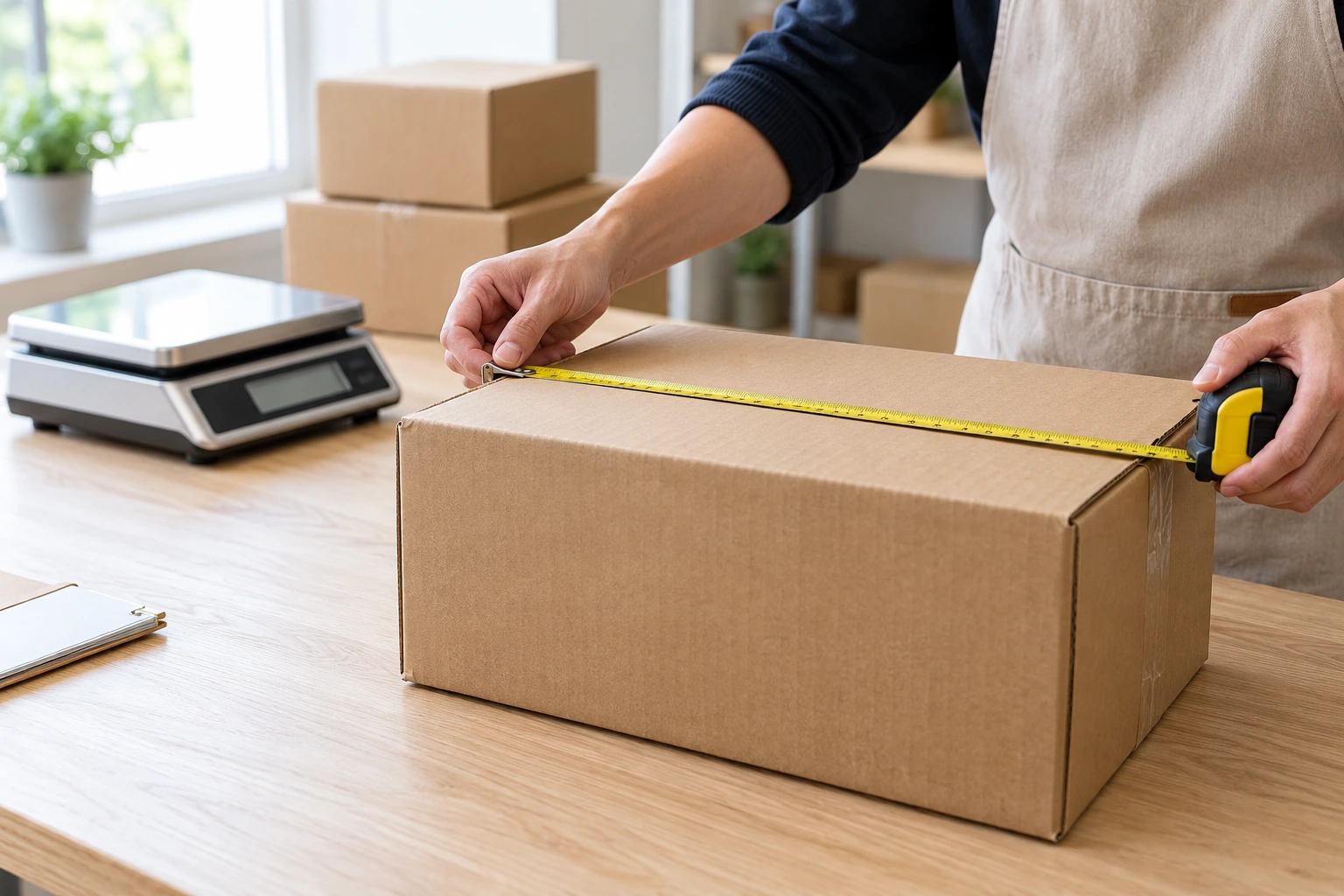
Ask for costs to be shown clearly enough to identify exclusions, including sample work, decoration, testing, filling, packaging and transport where relevant. Have the freight provider assess the actual formulation, packed weight, dimensions and route when comparing shipping. Where dangerous goods requirements apply, confirm the available service and any additional charges before budgeting.[1]
Minimum quantities can arise from different parts of the project. A bottle, a decorated finish, a fragrance batch and a printed box may each have different ordering requirements. Review the quantity per fragrance and design alongside the overall order, and agree any spare components or top-up arrangements needed to achieve the finished quantity. Base allowances on the project’s process and packing plan.
What Should Be Agreed Before the First Order?
Before production, bring the decisions into one clear product specification and delivery scope.
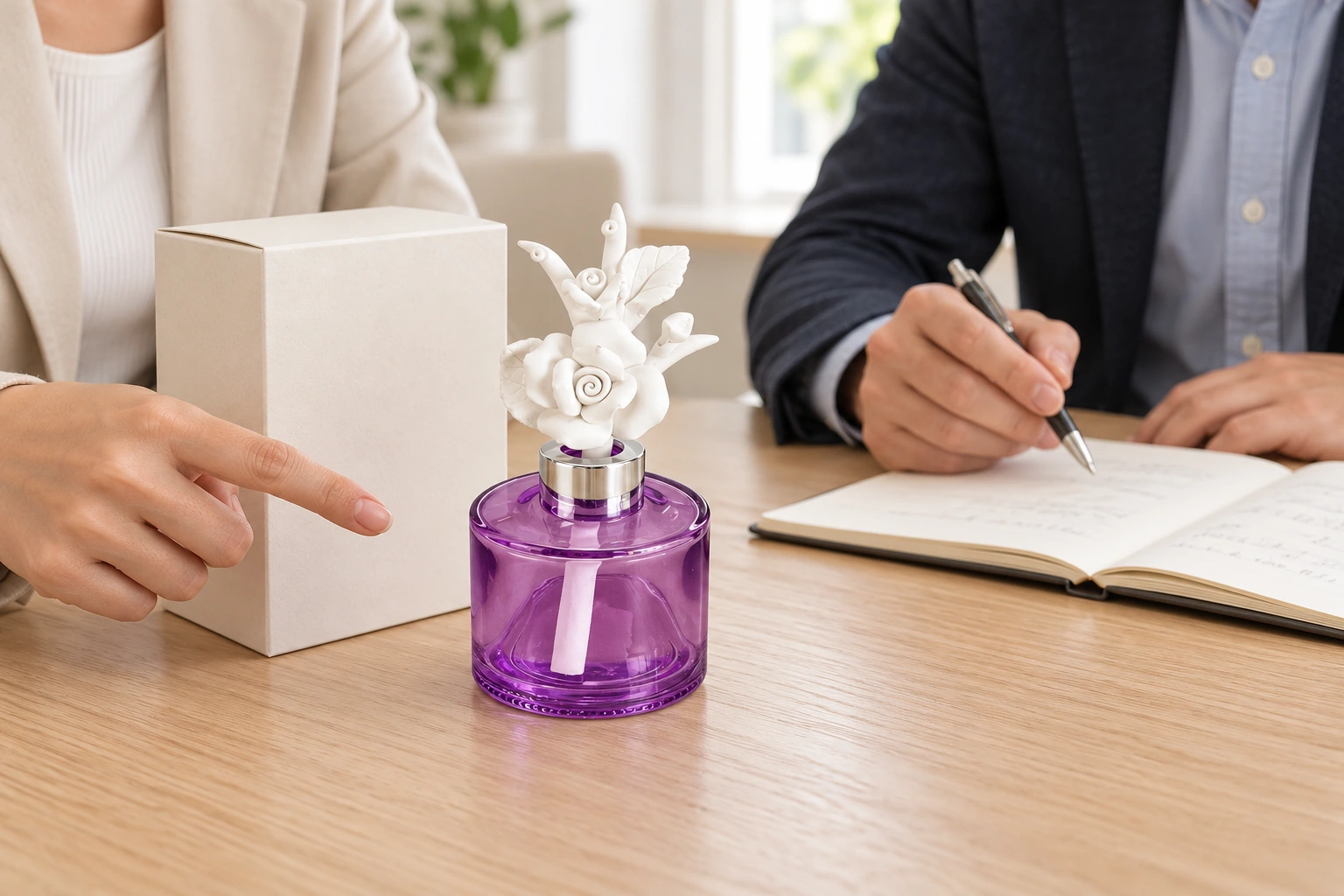
Identify who provides the contents and components. Record who supplies or sources the fragrance liquid or wax, vessels, reeds or wicks, closures and packaging. If you provide an existing formulation, agree what information and samples the relevant partners need to assess it.
Agree who evaluates the complete product. For a reed diffuser, the selected liquid, bottle, closure and diffusion accessories need to be assessed together for their intended use. For a candle, the assessment includes filling and the burning behavior of the chosen wax, fragrance, wick and jar combination. Assign the work and agree what results are needed for approval.
Confirm the finished sample and product documents. Review the contents, appearance, fill quantity, accessories and pack as a whole. Agree who supplies the relevant SDS and fragrance-use information, such as an IFRA conformity document for the intended use where applicable.[2] Identify who prepares labels and instructions, and who checks the target-market requirements with the importer or business placing the product on the market. Keep the approved sample and specification identifiable for production and inspection.
Plan for the next order. Record the approved components, fragrance or formula reference and packaging version. If something changes, agree how it will be reviewed before accepting the replacement. For remaining materials, agree ownership, storage location, storage period and charges, and how they will be used or disposed of.
To discuss the route with Green-Life, start with your product type, target market, expected quantity, packaging idea and launch timing. Tell us whether you already have fragrance materials or a filling partner, and whether you want empty vessels or a filled and packed shipment. These details help define a supply scope that fits how your brand plans to operate.
Quellen
[1] DHL Express — What Can I Ship With DHL Express?. https://www.dhl.com/us-en/home/express/help-and-support/frequently-asked-questions/getting-started/what-can-i-ship.html. Accessed 28 October 2026. ↩
[2] IFRA — Certification of Conformity with the IFRA Standards. https://ifrafragrance.org/initiatives-positions/safe-use-fragrance-science/ifra-standards/certification-of-ifra-standards. Accessed 28 October 2026. ↩