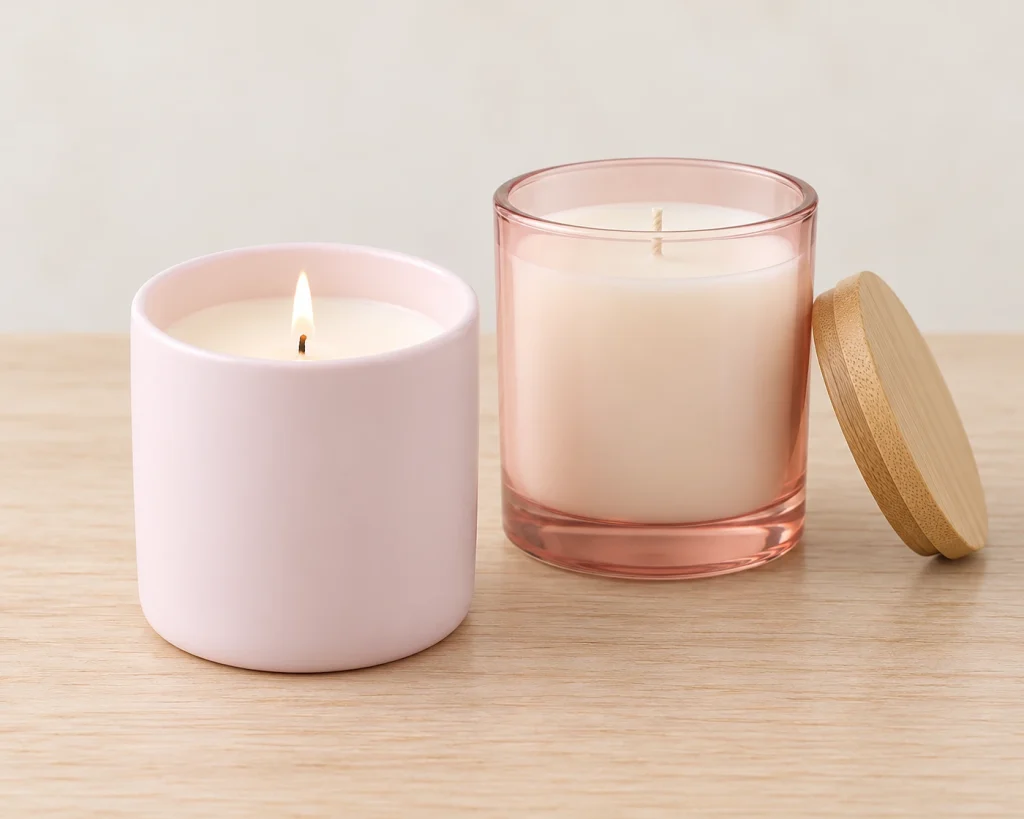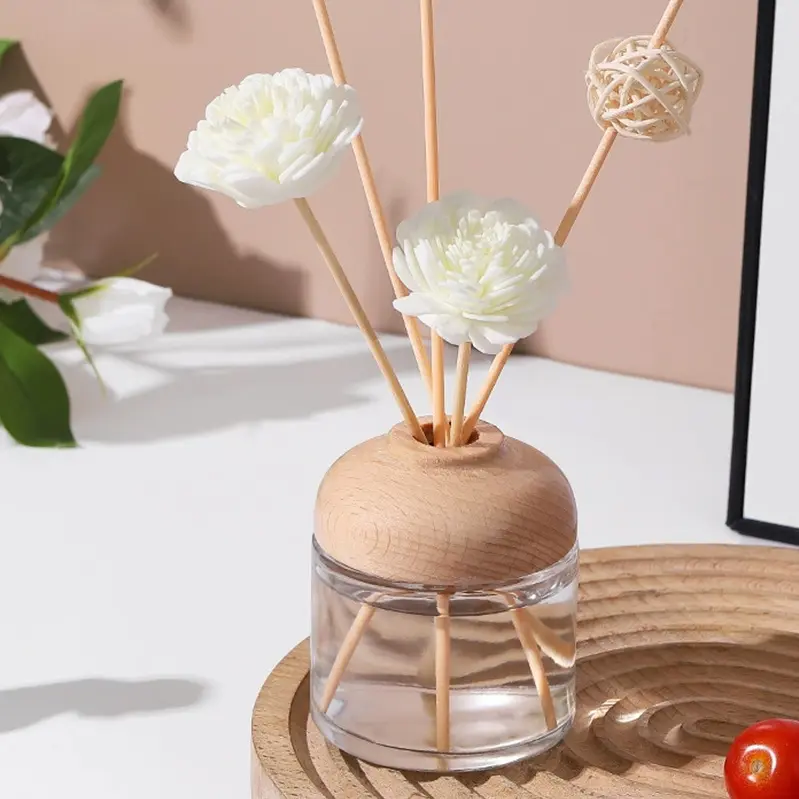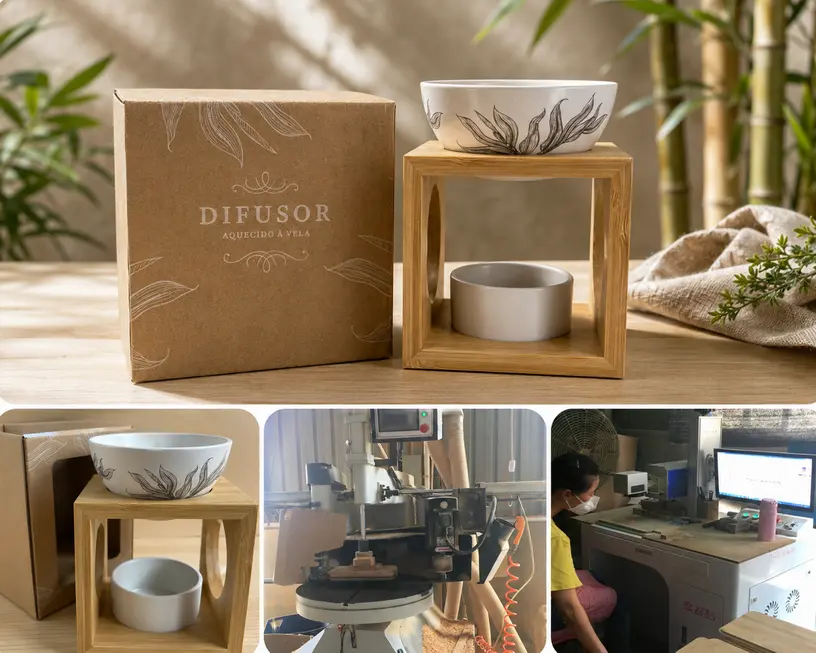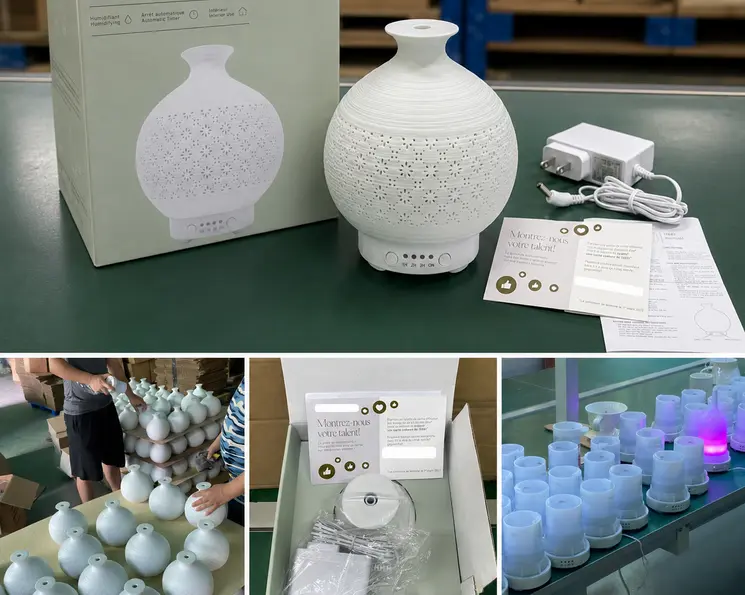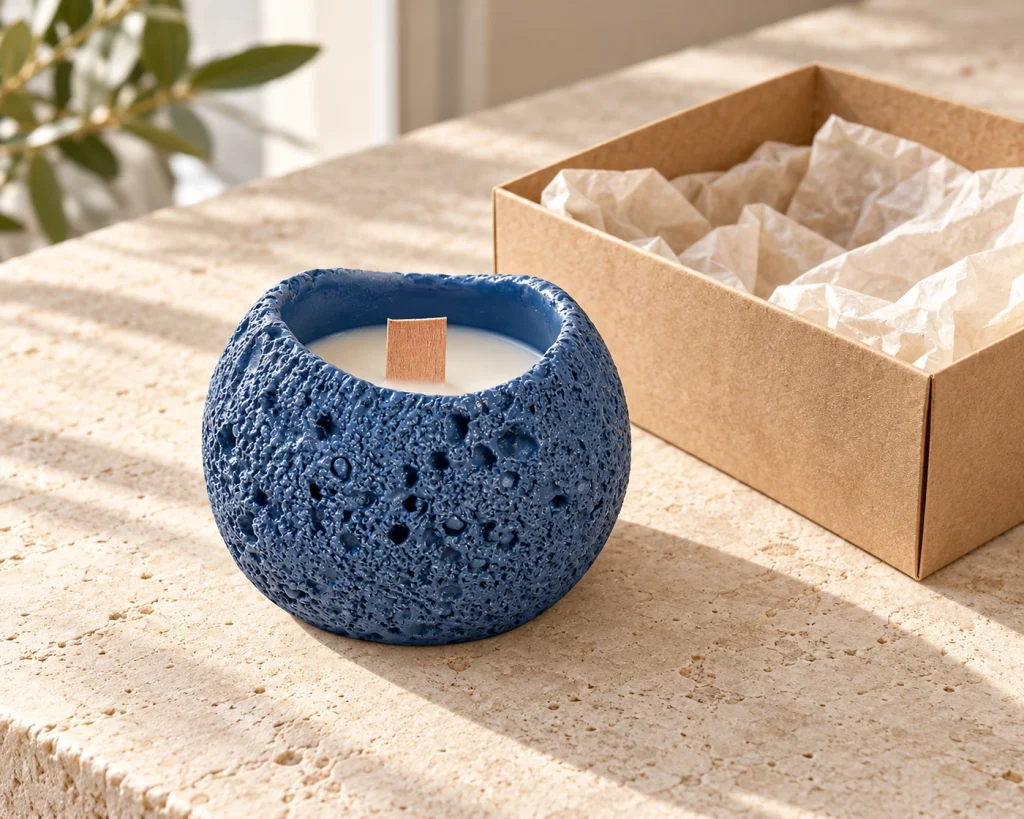
Small fragrance vessels can serve all three roles. The right choice depends on what the brand wants the product to achieve, from a low-cost promotional item to a carefully presented fragrance discovery set or gift. In Green-Life’s experience, small formats are mainly used for giveaways and promotions, with some also sold as standalone retail products. The small-format projects Green-Life encounters typically combine low unit prices with large quantities.
Packaging is central to that choice. A small candle jar or diffuser vessel may fit a promotional budget when several pieces share a divided inner box or a retail display box. Putting every piece in its own elaborate package can make packaging a larger share of the cost and weaken the reason for choosing the smaller format.
For brands and importers, the useful starting point is therefore the product’s intended job, the way it will reach the consumer, and the complete cost of supplying it in that form.
What Job Should the Small Format Do?
A giveaway, a fragrance discovery product and an inexpensive retail item may use similar vessels, but they have different commercial purposes. Set that purpose before developing the presentation.
| Main role | What the brand wants to achieve | What should guide the format |
|---|---|---|
| Giveaway or promotion | Offer a useful incentive within the campaign budget | Cost per distributed item, practical handling and a clear connection to the brand |
| Consumer sampling | Help someone experience a fragrance before a later purchase | A meaningful fragrance experience and an easy way to identify the scent |
| Gift or gift set | Offer a complete, presentable item or coordinated selection | Presentation, completeness and the total cost of the gift |
| Standalone retail | Sell a small product with its own reason to buy | A suitable selling price, a clear use and workable channel costs |
These roles can overlap. A promotional gift may introduce a fragrance, while a paid discovery set may also be bought as a present. Choosing a primary role helps decide where to spend: on the product, the individual pack, the shared display or the selection of scents.
Green-Life generally recommends considering small formats when customers need giveaways, promotional items or a lower-cost option. A more elaborate gift project should be judged against its presentation requirements as well as the vessel price.
Does the Product Offer Enough for Its Intended Use?
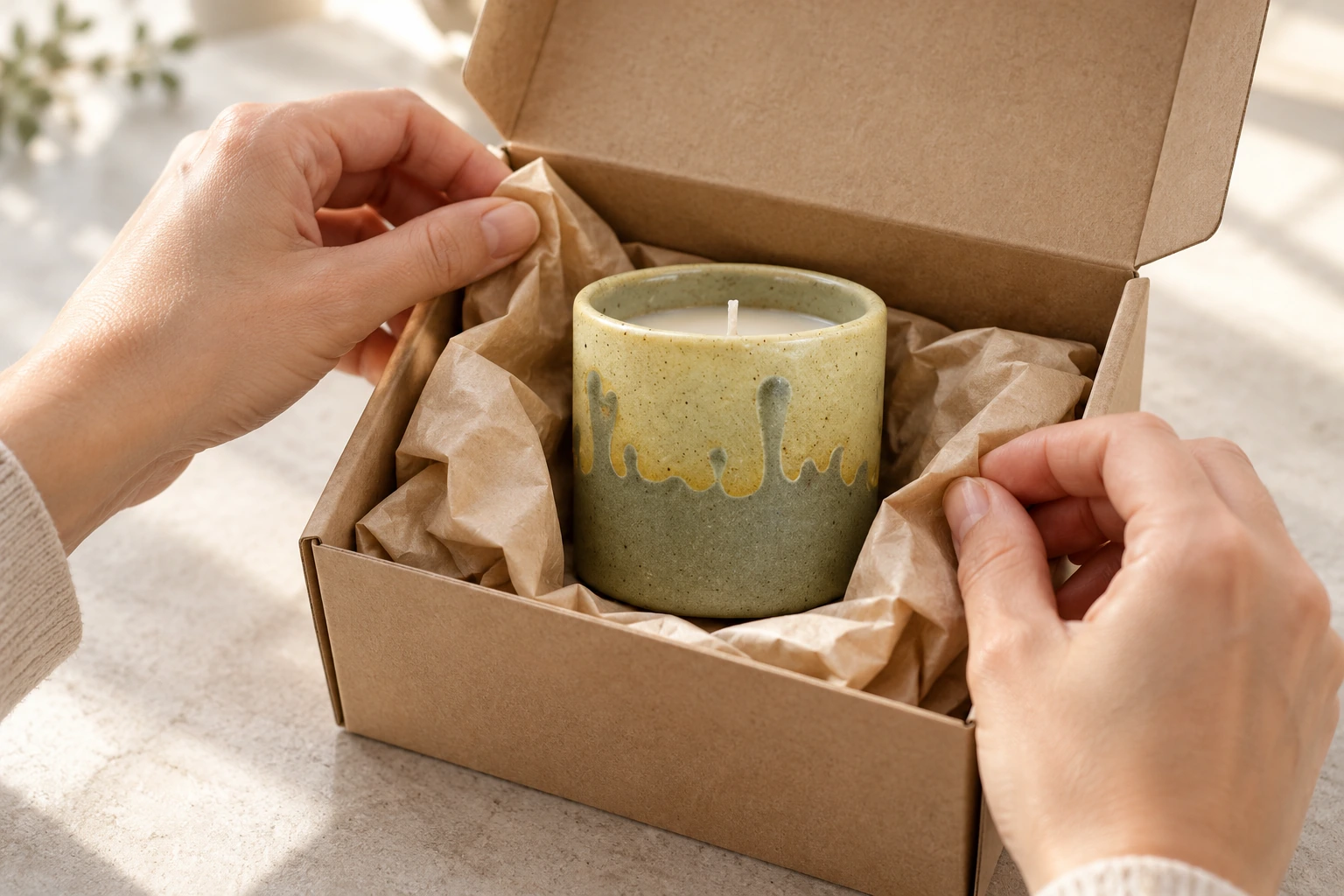
For sampling, ask what the recipient should learn from the experience. If the purpose is to introduce a scent, the fragrance name and the route to the corresponding product should be easy to find. A small format can support that introduction, but the experience should suit the product being offered.
A gift needs to feel complete when it reaches the recipient. For a diffuser gift, decide whether the offer contains an empty vessel, a vessel with accessories, or a complete fragrance set. For a small candle, the finished product and its presentation should be planned together. The low cost of an empty vessel alone does not establish the cost or appeal of the finished gift.
Assess the complete product in its intended small format. For candles, check the vessel, wax and wick together through burn testing[1]; for reed diffusers, check the vessel, fragrance liquid and reeds together. Allow space on the product or its packaging for clear identification, instructions and any required warnings for the intended market.
For standalone retail, explain why someone would buy the smaller item. The reason might be a lower purchase price, a compact decorative object or the chance to choose several fragrances. Give it a clear place in the range so the customer can understand what they receive for the price.
There is no need to set one capacity threshold for all these uses. Compare the proposed small format with the brand’s regular product and the experience expected from it.
Can the Packaging Preserve the Cost Advantage?
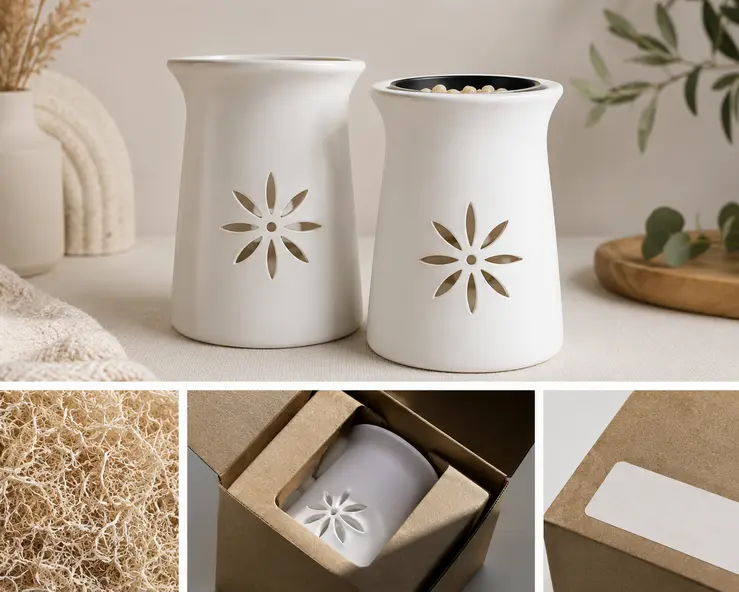
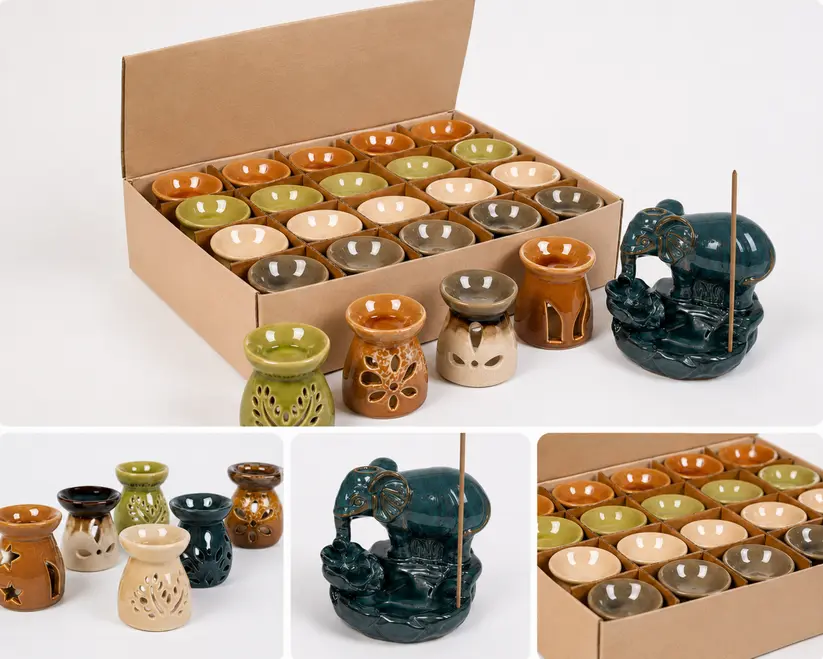
In Green-Life’s small-format projects, a common arrangement is bulk packing: several pieces share an inner box or outer carton, with cell dividers separating them. Another option is to pack several pieces into a PDQ display box—a box designed to hold and present products at retail.
These arrangements give the buyer alternatives to an individual box for every vessel. The important distinction is between how the goods travel and how they are handed over or sold.
Shared packing for giveaways and promotions
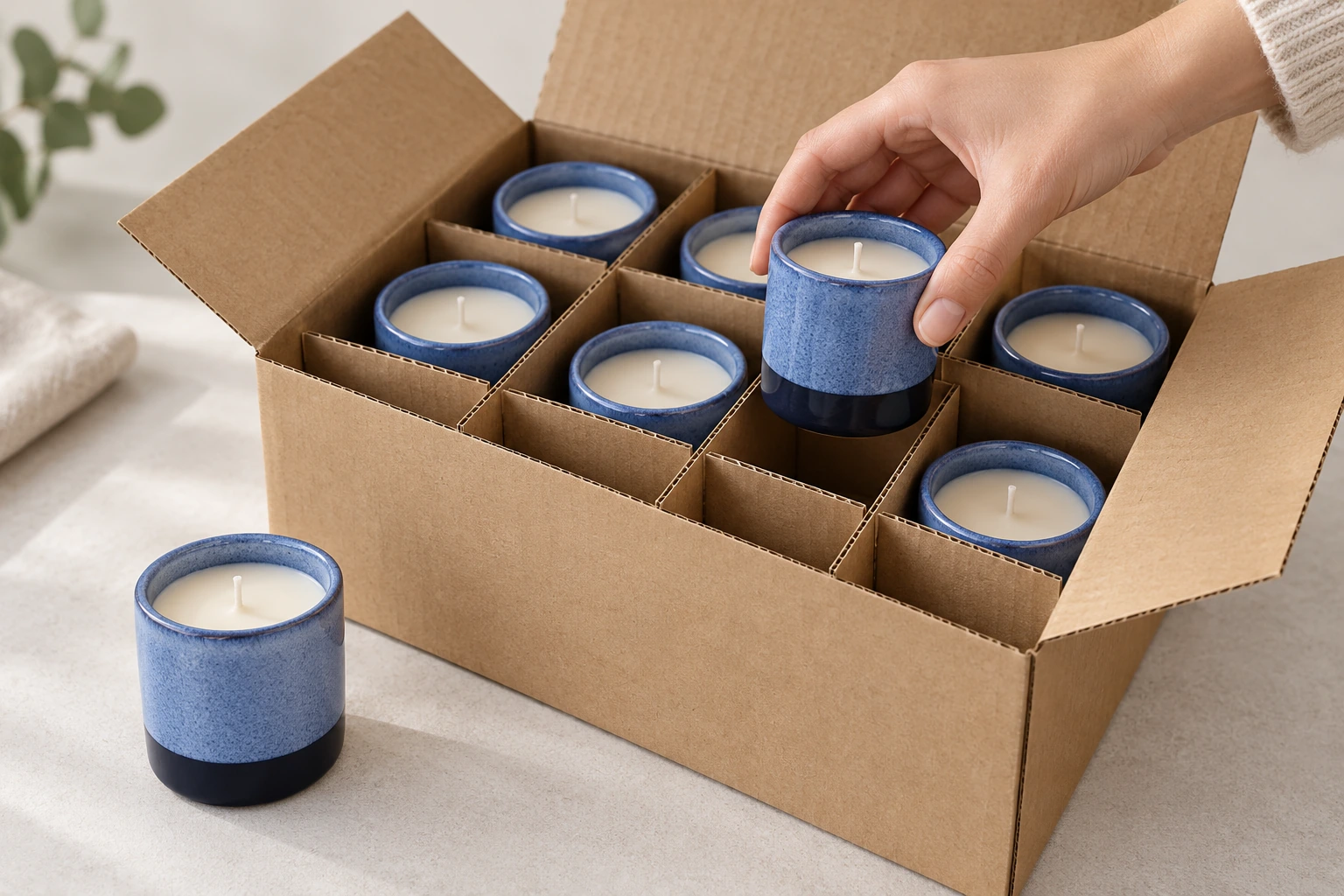
Where items will be distributed individually, a divided box can keep the supply pack simple. Confirm what happens after that box is opened: whether the customer adds the vessel to another gift, combines it with other products, or distributes a finished item directly.
Bulk packing describes the shipping arrangement. The final presentation still needs to suit the recipient and the product supplied.
PDQ packing for retail presentation
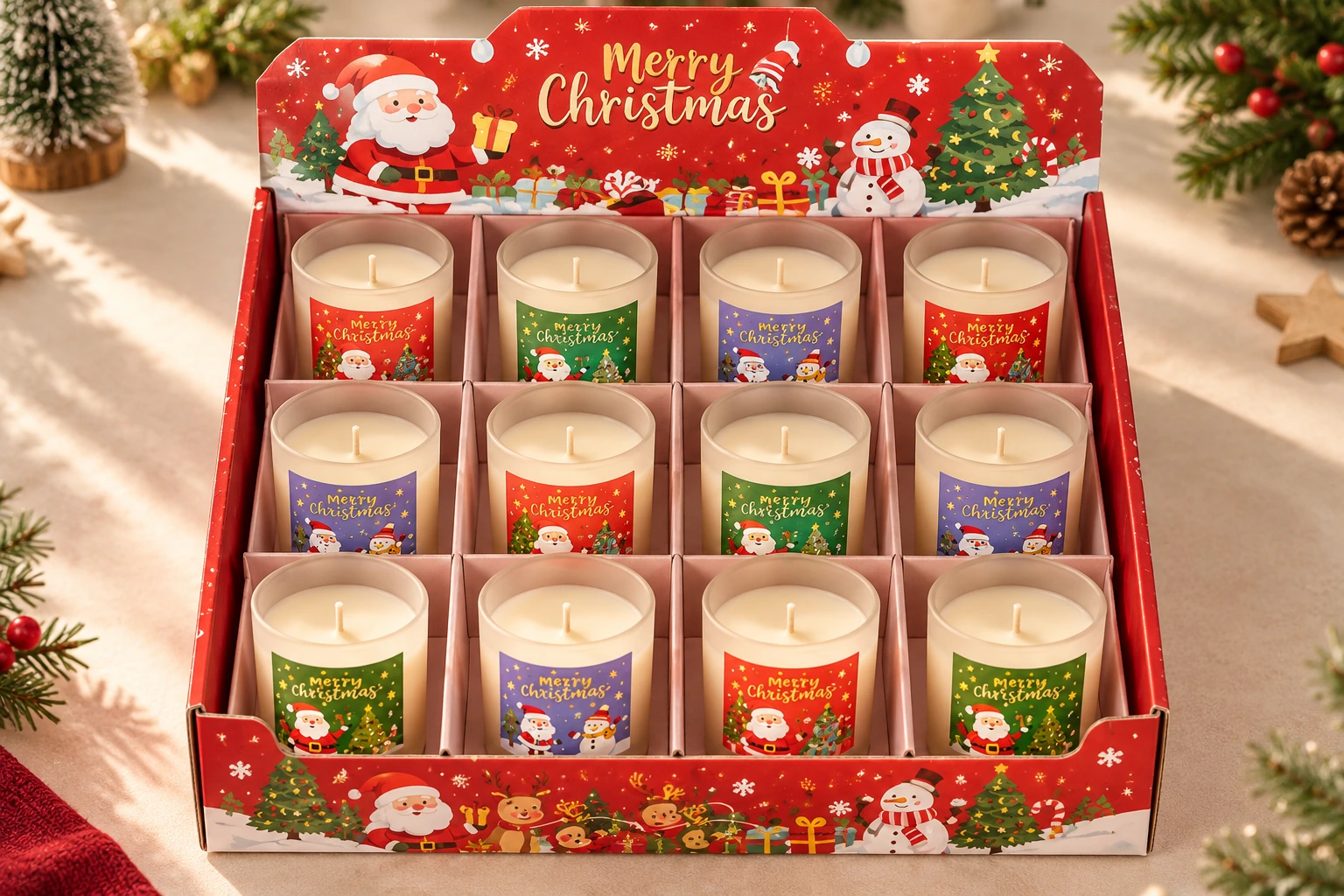
A PDQ can bring several small products together in one display. Plan how the products sit in the box, what the shopper can identify, and how individual pieces will be removed for sale.
This is particularly relevant when the low selling price leaves little room for a separate decorative box around each piece. It should also match the retailer’s intended display and handling arrangements.
Individual packs where the channel needs them
An individual pack may be useful for a self-contained gift or for a product that needs separate identification and presentation. If units will be shipped individually to consumers, their delivery packaging must also be included in the comparison.
Green-Life’s experience is that individual packaging can take a larger share of a small product’s cost. Compare the proposed packing formats alongside the vessel quote, before committing to the design. Keep the protection appropriate to the product while simplifying presentation where the project allows it.
Include the packed dimensions and the number of pieces per carton in that comparison. A low vessel price can lose some of its advantage if the pack takes up too much space. Compare the relevant freight costs using the proposed packing and shipping service; for services that charge by dimensional weight, extra package volume can affect the chargeable weight.[2]
How Should It Sit Beside the Regular Range?
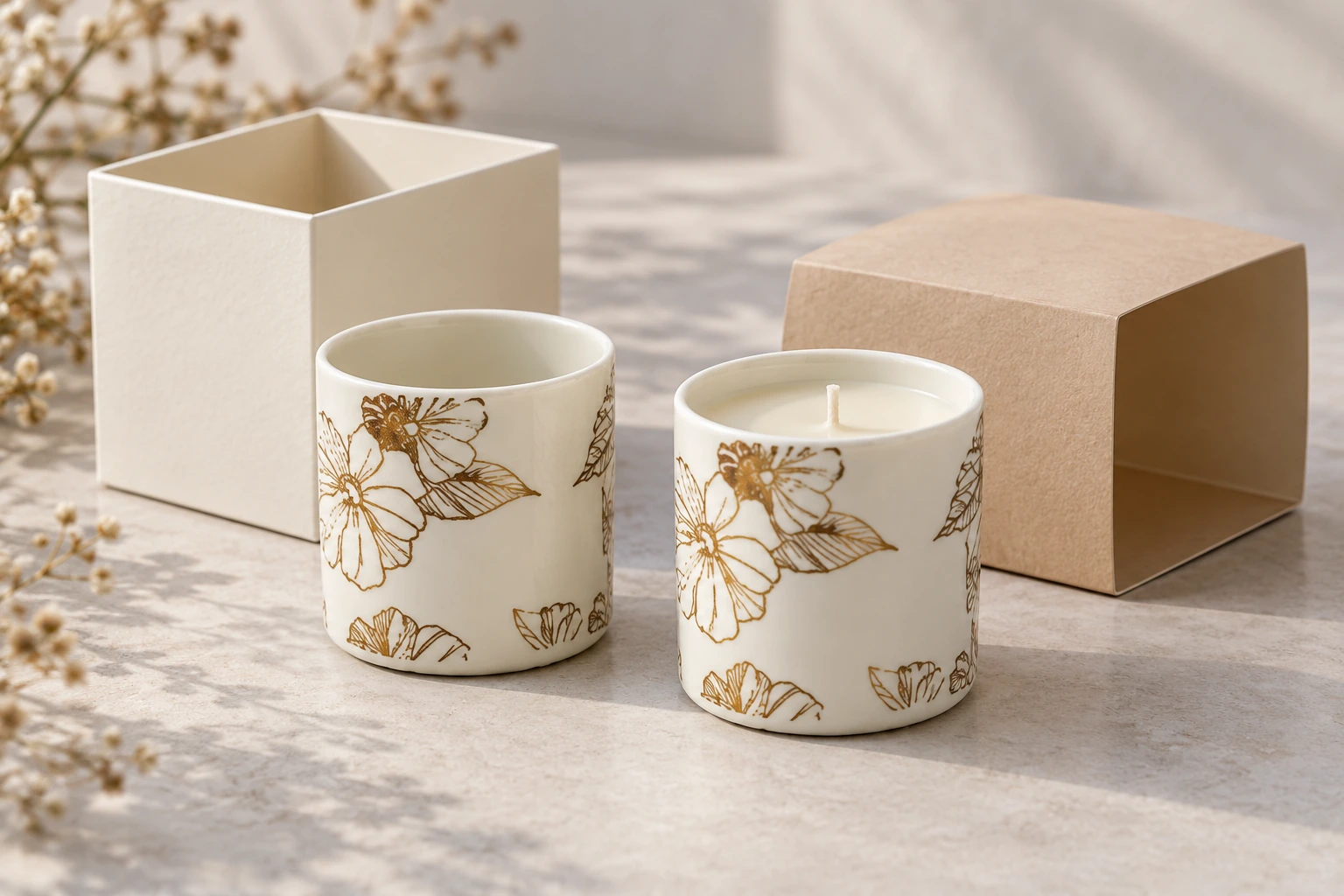
A small promotional version can share the regular range’s colours, decoration or fragrance identity without reproducing every detail. Choose the elements that make the connection clear and fit the intended budget.
If the main purpose is fragrance introduction, make it easy to move from the small item to the corresponding regular product. If the small item is intended for independent retail, give it its own clear offer and assess whether the selling price supports that route.
Also decide how many versions the project needs. Several colours or scents may look attractive in a display, but each version adds quantities to plan, stock to manage and information to keep consistent. Start with the selection the promotion or retailer can use, then consider expansion from actual feedback.
When Is the Small Format Worth Keeping?
The decision should follow the role set at the start.
For a giveaway or promotion, compare the complete cost per item with the campaign budget and check whether the item can be distributed as planned. For sampling, look for useful feedback on fragrance choice and any available evidence of later purchases. For a gift, assess whether the recipient receives a complete, presentable offer. For regular retail, review sales, the amount left after the relevant costs, and reorder demand.
If the economics are weak, reconsider the packing, decoration or number of versions before reducing the product further. A simpler shared pack may fit a promotional project better than an individually boxed miniature. Where the required presentation and experience cannot fit the small-format budget, a regular size or a different product may be a better choice.
At Green-Life, the starting recommendation is practical: consider small vessels for giveaways, promotions and cost-sensitive projects, then develop the packaging and supply arrangement around how those items will actually be used.
Quellen
[1] CandleScience — Wick Guide. https://www.candlescience.com/learning/wick-guide/. Accessed 25 October 2026. ↩
[2] DHL Express — Weight and Dimensions. https://www.dhl.com/discover/en-gb/ship-with-dhl/products-and-services/weight-and-dimensions. Accessed 25 October 2026. ↩