A small first order can make sense when you are testing a product or buying for a limited customer base. Paying more per unit may be a reasonable way to keep the quantity within what your business can use or sell. The question is whether the supplier can arrange that quantity, and what the complete order will cost.
For aroma wares made to order, the usual minimum order quantity (MOQ) remains the starting point. A smaller order may sometimes fit alongside another production run, or become practical with fewer custom changes. Packaging and accessories can also have their own quantity requirements. These details determine whether a small order is useful for your business.
Can an order below the usual MOQ still be considered?
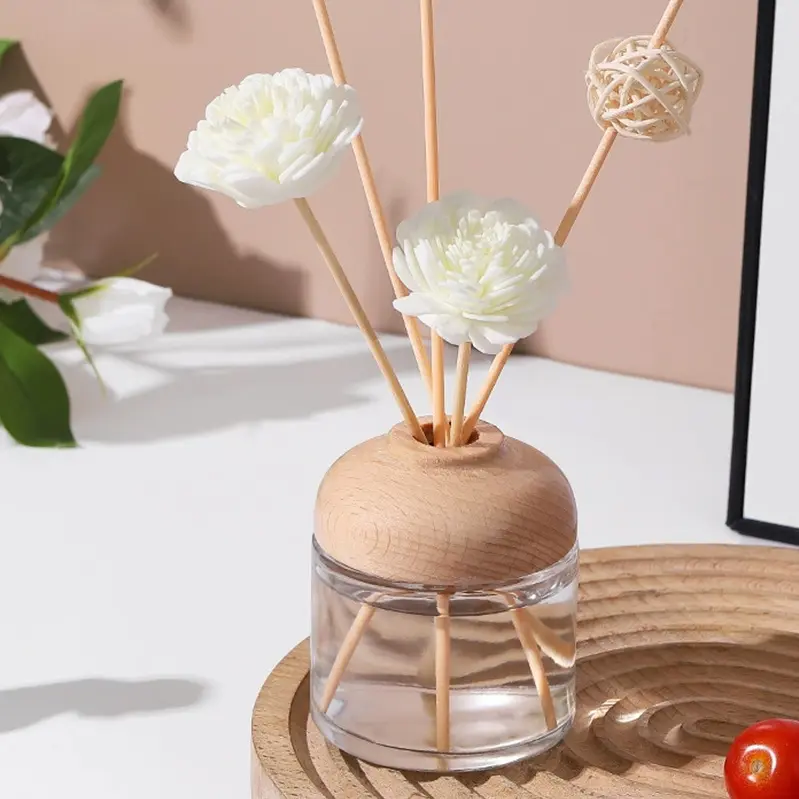
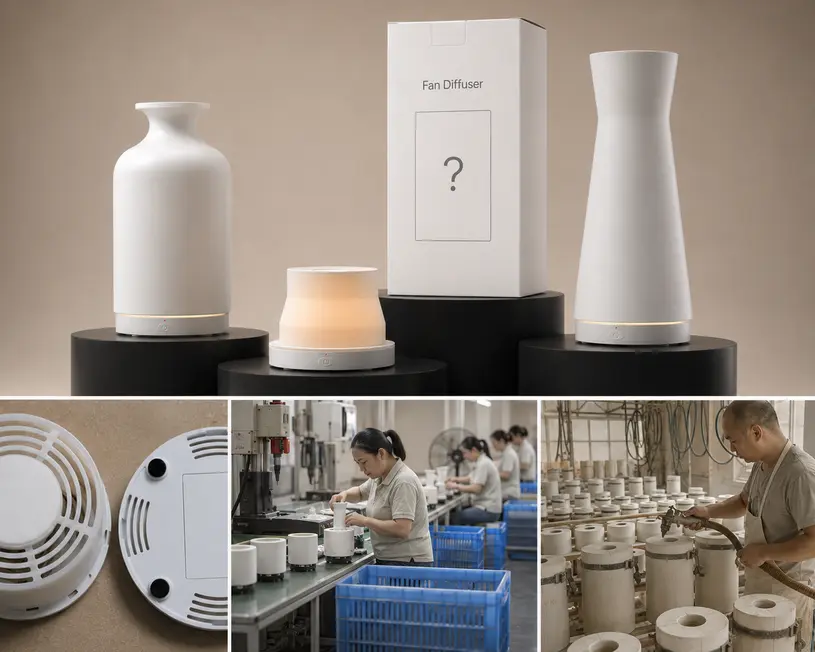
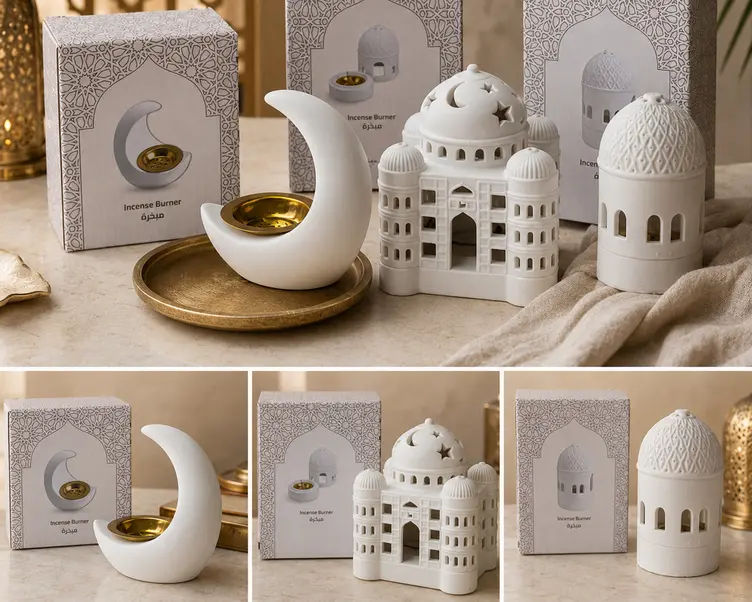
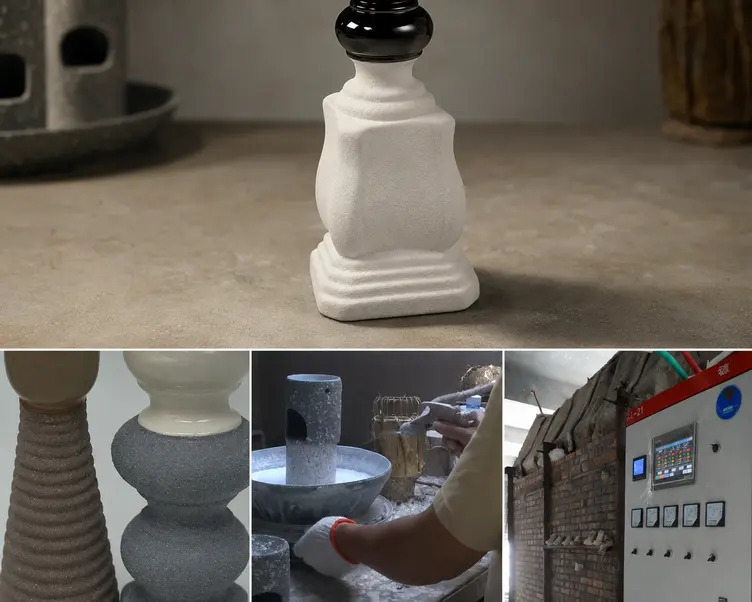
At Green-Life, most aroma wares are produced against orders. Private label, OEM and ODM projects all have MOQ requirements. Factory stock occasionally offers another option, but it is a limited opportunity rather than the normal basis of supply.
If your preferred quantity falls below the quoted MOQ, explain how much you need, which features matter and how flexible your timing is. The supplier can then assess a specific proposal instead of simply being asked to lower the minimum.
An existing model may offer more room to discuss a small order than a design requiring new tooling or a separate production process. However, a catalogue model still needs a confirmed production arrangement; being available to order does not mean it is already in stock.
When can a smaller order fit another production run?
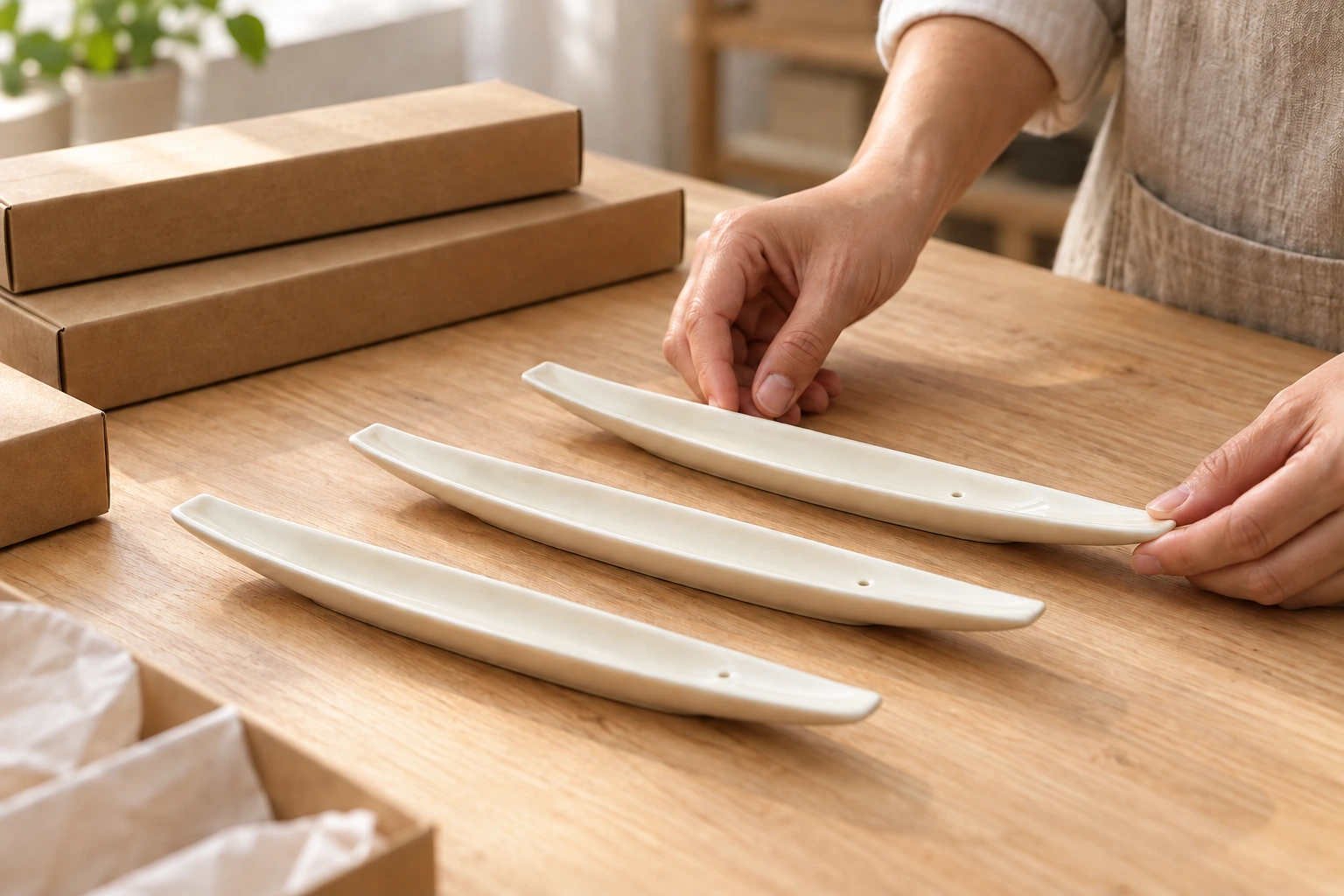
One possibility is to coordinate your requirement with production of the same or a similar product. The useful overlap might involve an existing shape, material or finish. A new colour or surface treatment may need a separate operation and additional setup. The supplier needs to check which work can be shared and what your requested changes would add to the cost and schedule.
Green-Life sometimes helps customers arrange smaller quantities when suitable production is taking place around the same time. If there is no suitable order and the customer can wait, we can record the requirement and contact them again when an opportunity arises.
This approach suits a flexible trial better than a launch with a fixed arrival date. When a suitable production opportunity becomes available, reconfirm the specification, quantity, price and timing before proceeding.
Sharing a production run can help make a smaller quantity feasible, while sorting, packing and dispatching your order still involve separate work and costs.
Why can a standard assortment be easier than private labelling?
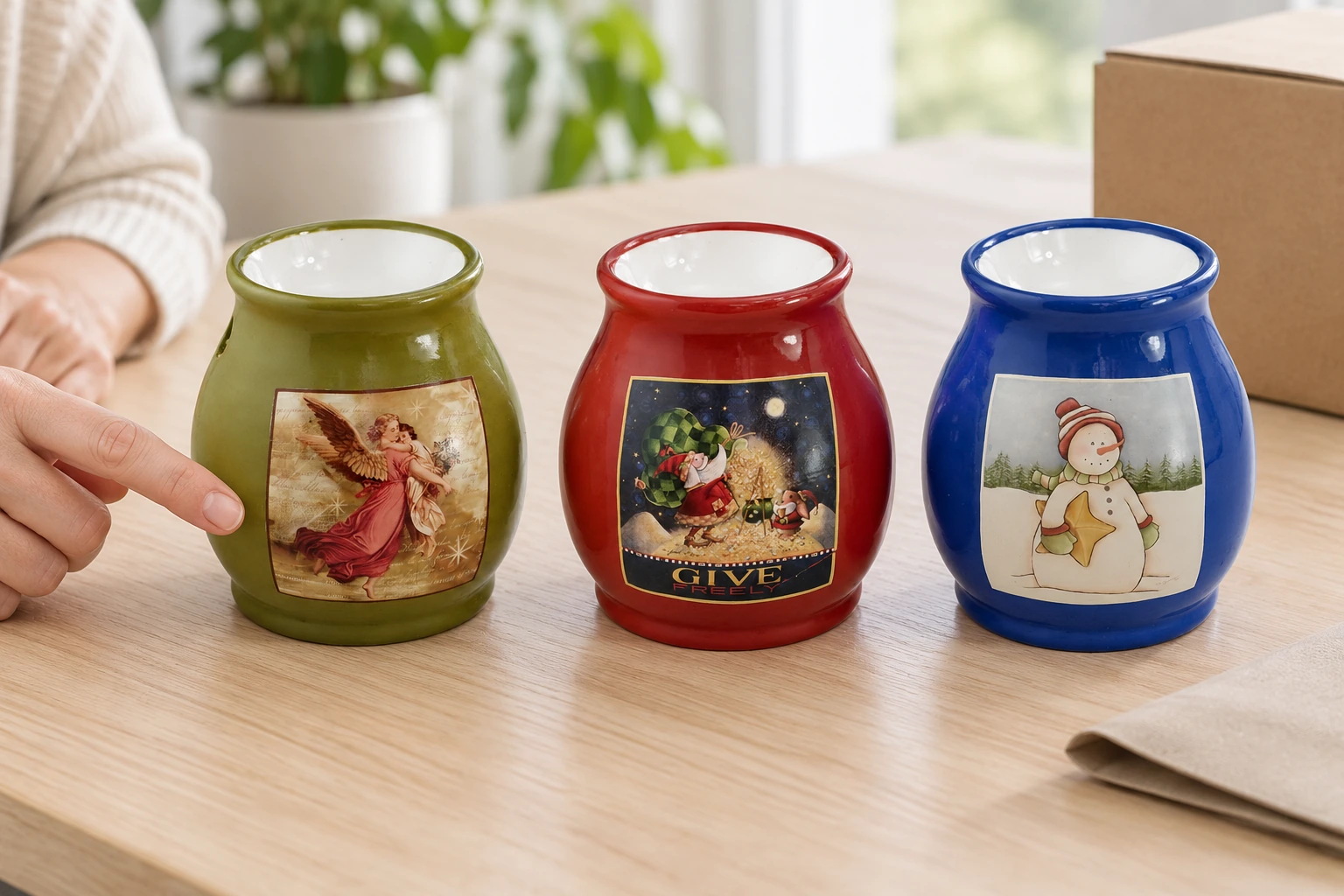
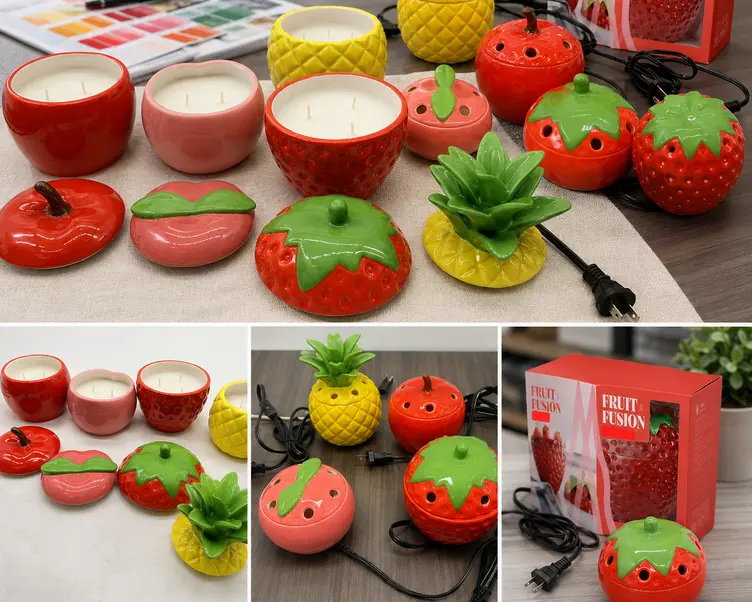
In Green-Life’s experience, combining standard versions is usually easier to arrange than adding private labelling. Selecting existing versions involves fewer changes than introducing a separate logo, decoration or branded package.
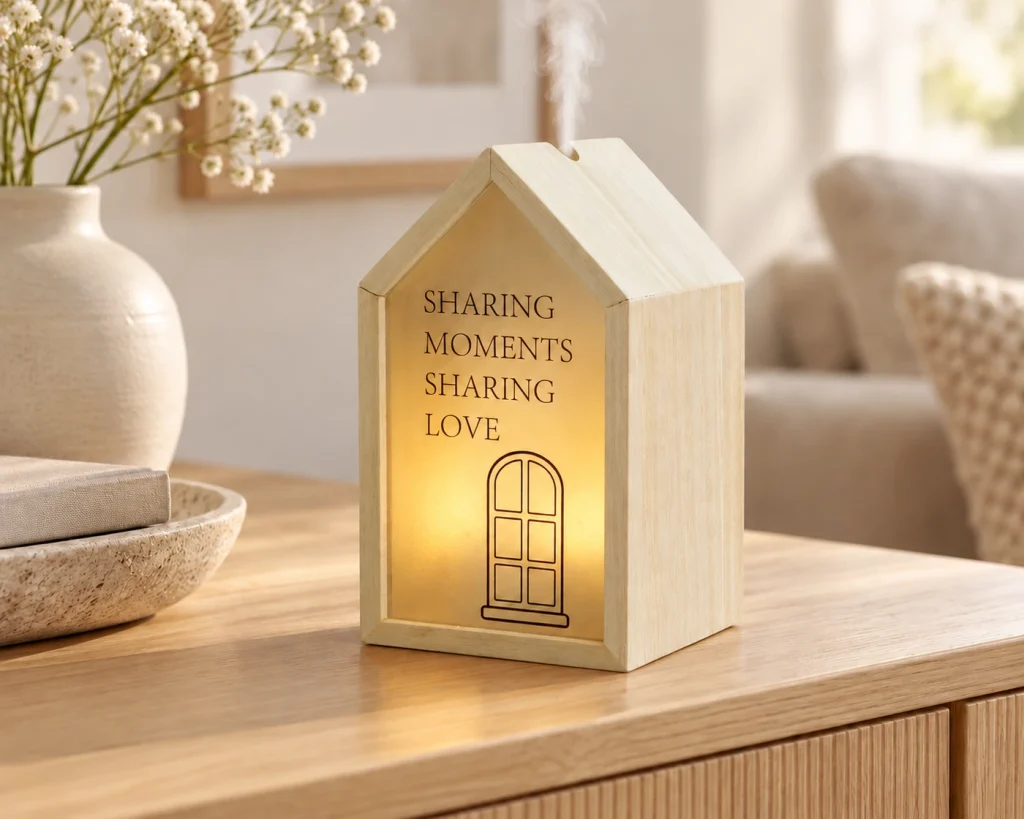
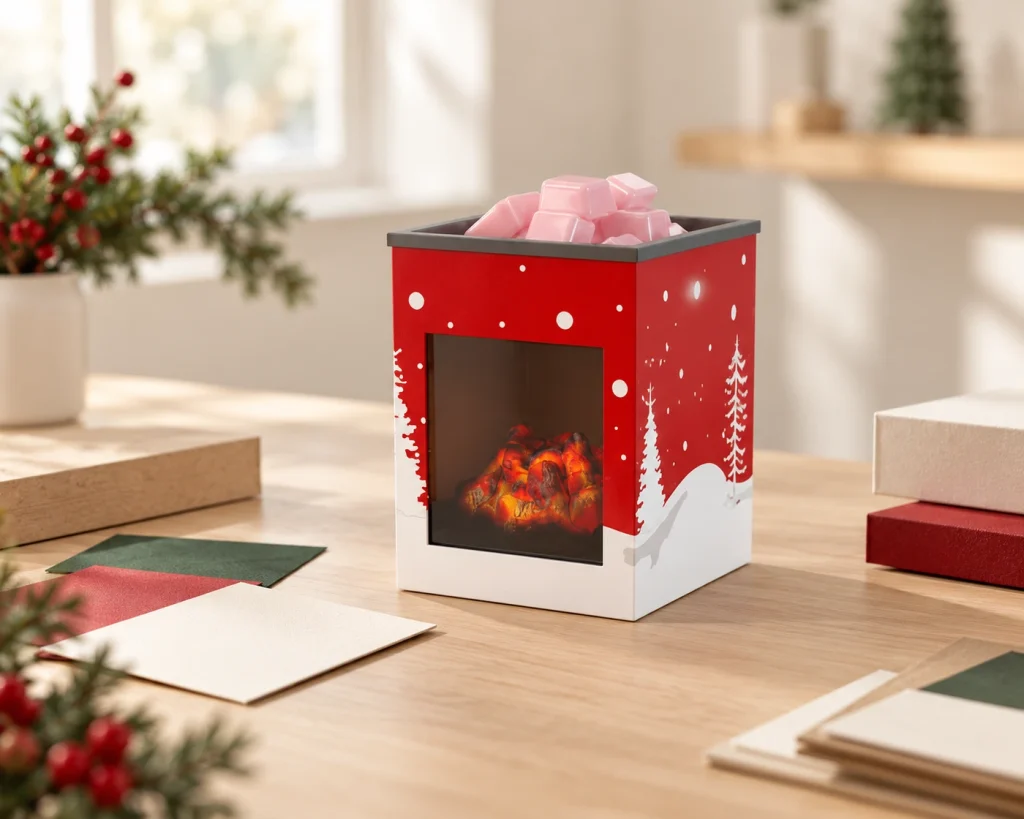
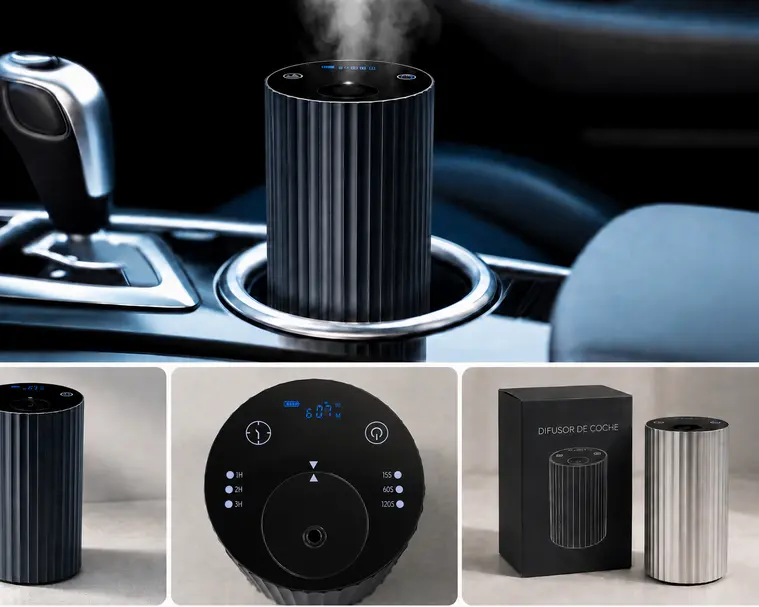
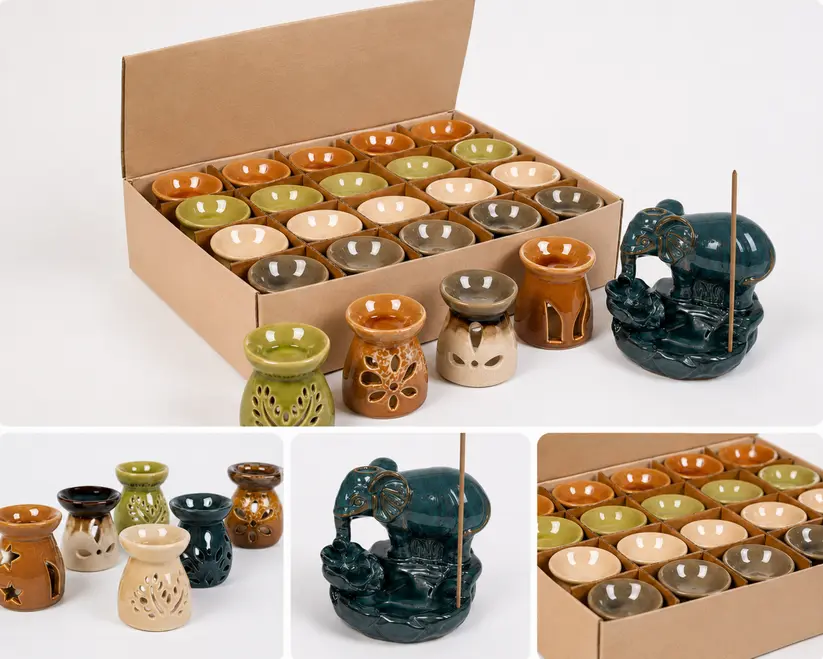
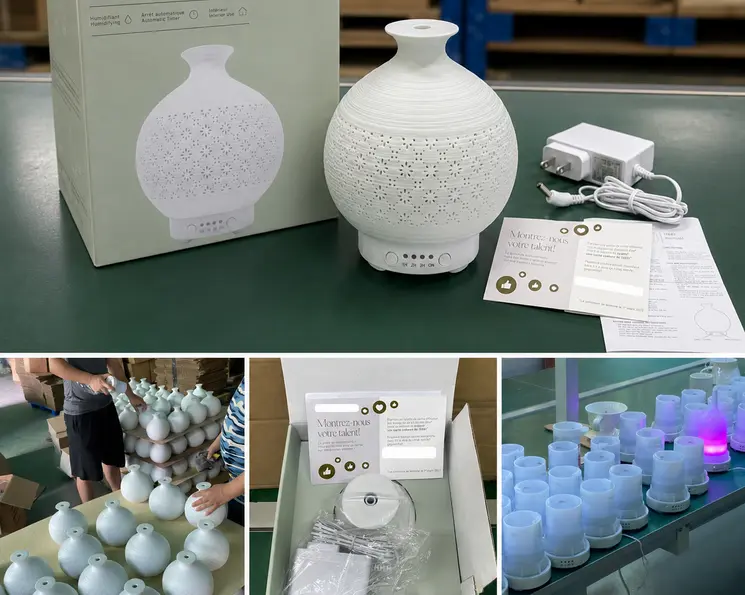
For example, a decorative diffuser range might use the same functional unit with several outer-cover finishes. Ask the supplier which versions can be combined and request the quantity and price for each version. A common component can provide a useful starting point, while the covers and packaging still need their own review.
If branding is essential, identify where it adds the most value. A logo on the product and a printed gift box involve different operations and quantity requirements. Ask whether artwork preparation, samples or setup add separate charges. Compare the proposal with a simpler version to decide which changes are worth funding at the trial stage.
What if packaging or accessory MOQs exceed the product quantity?
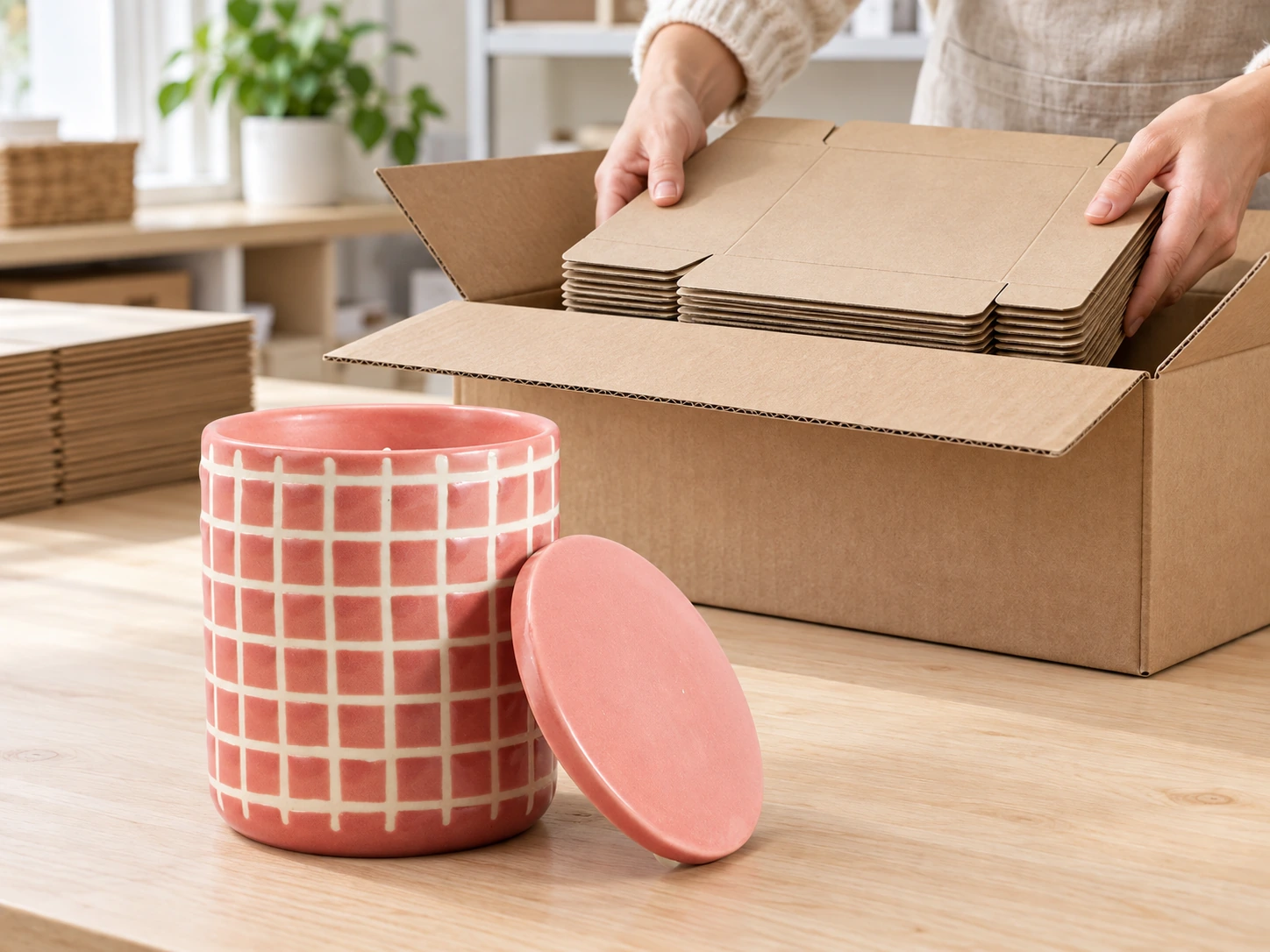
A small product order may still need more packaging or accessories than you can use in the first shipment. A custom box supplier, for example, may require a larger quantity than the product manufacturer.
One arrangement Green-Life may suggest is to buy the required packaging quantity, use what is needed for the current order and arrange storage of the balance for the next shipment. Some accessories can be handled in the same way.
This keeps the finished-product order smaller, but the extra packaging or accessories remain part of your initial purchasing commitment. Compare that outlay with your likely repeat-order needs. It can be practical when you expect to keep the same product and presentation; it is less attractive if the trial may lead to a different size, design or brand identity.
Agree on the quantity left in storage, how long it will be held, suitable storage conditions and how any damage will be handled. Confirm how the balance will be used for later orders. Before changing a product or package, check whether the remaining items will still fit the revised version.
Which costs matter most on a small order?
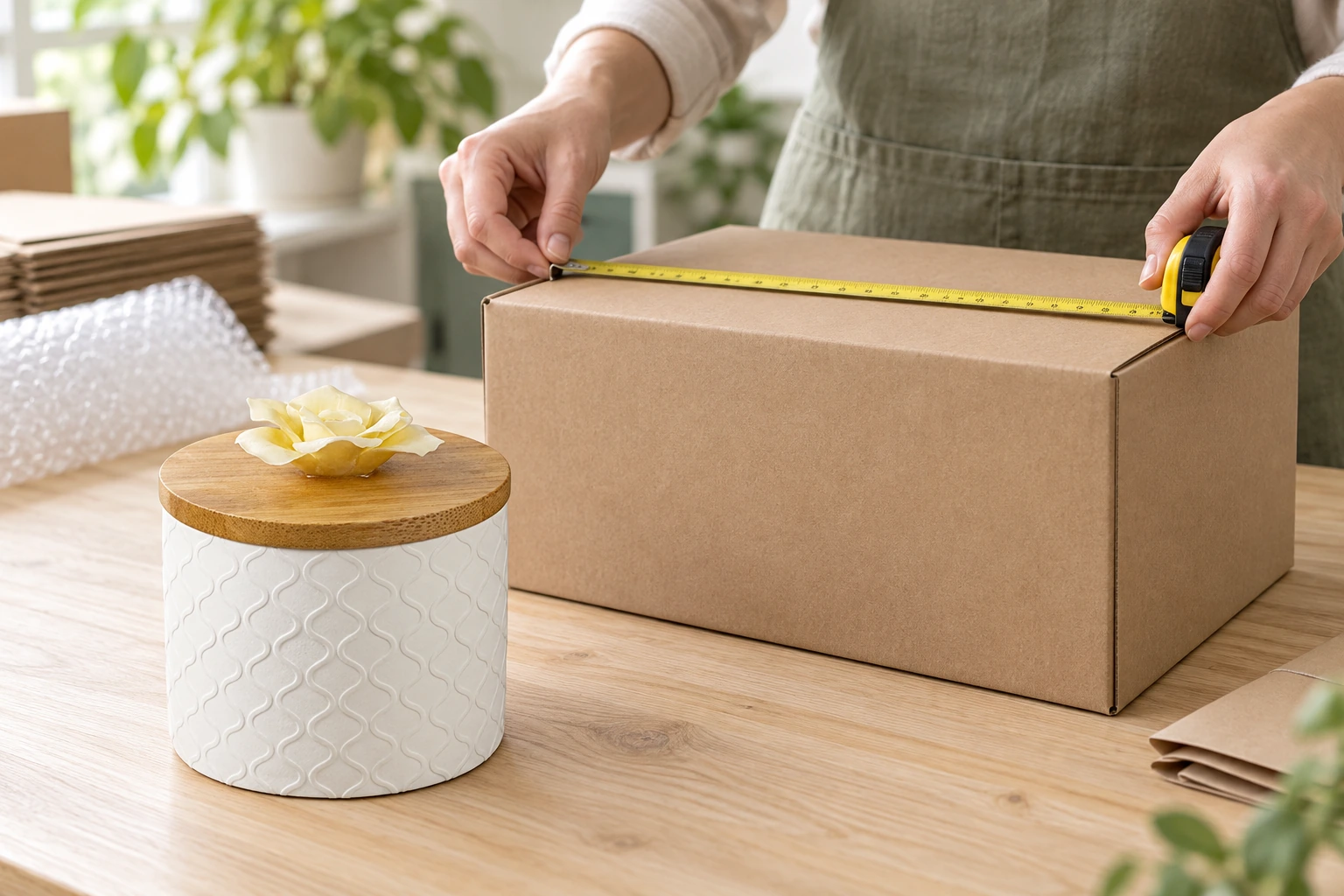
Small orders still need people to confirm details, prepare materials, handle products and pack shipments. Some of this work is required for each order, so reducing the number of units does not reduce every cost in the same proportion.
In Green-Life’s discussions with smaller businesses and trial-order buyers, a higher unit price is often acceptable. The more easily overlooked costs are the additional handling and the shipment itself.
Review the proposal in three parts:
- Products and order preparation: the quoted quantity, configuration, included packaging and any separate small-order, sampling or setup charges. Check whether the agreed inspection and any necessary testing are included or charged separately.
- Items bought for later use: additional packaging or accessories purchased now and held for a future order.
- Delivery: freight and the applicable handling, port, clearance and destination charges, with a clear statement of what the quotation includes.
For a light but bulky parcel, the carrier may use dimensional weight based on package size.[1] For less-than-container-load (LCL) sea freight, ask for the applicable origin and destination charges, including cargo handling and unloading from the shared container.[2] Establish which costs sit outside the freight quotation, using the actual packing details, delivery terms and proposed service.
Coordinating production with another order does not automatically mean the shipments will travel together. Confirm the shipping arrangement separately.
Compare both the cash needed now and the cost per unit after the relevant handling and delivery charges. Keep any packaging or accessories bought for future orders visible as a separate initial outlay. A larger order may improve the unit price, but the saving needs to justify the extra stock and cash committed.
Should you proceed, wait or adjust the order?
Choose the arrangement that matches the purpose of the purchase. For a flexible trial, a smaller quantity at a higher price may be preferable to stock you are not ready to sell. If the launch depends on a fixed date or a specific custom design, an uncertain production opportunity may not meet your needs.
Before accepting the proposal, confirm:
- The total quantity and the quantity of each version.
- The product, branding and packaging included in the price.
- Any extra packaging or accessories being bought and stored.
- The confirmed production timing and delivery scope.
- The agreed sample, inspection and any product or market verification still needed, including who will arrange them.
- How defects or a quantity shortfall will be handled.
A smaller order still needs to meet the applicable product safety and market requirements, as well as the agreed quality standards. Future orders should be reviewed against the production conditions available at that time.
When discussing a trial with Green-Life, share your intended quantity, essential customisation, destination and timing flexibility. These details help us assess whether a smaller order can be coordinated and explain the costs and choices involved.
Quellen
[1] DHL Express UK — Size, Weight and Packaging. https://uk.express.dhl.com/faqs/size-weight-and-packaging/. Accessed 26 October 2026. ↩
[2] DHL Global Forwarding — The Cost Drivers of LCL Rates. https://www.dhl.com/us-en/home/global-forwarding/freight-forwarding-education-center/the-cost-drivers-of-lcl-rates.html. Accessed 26 October 2026. ↩