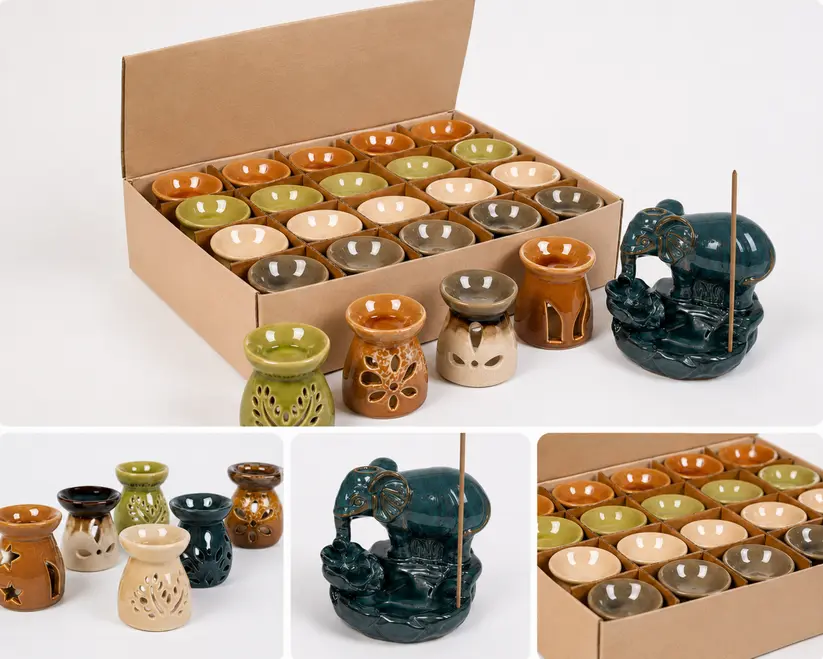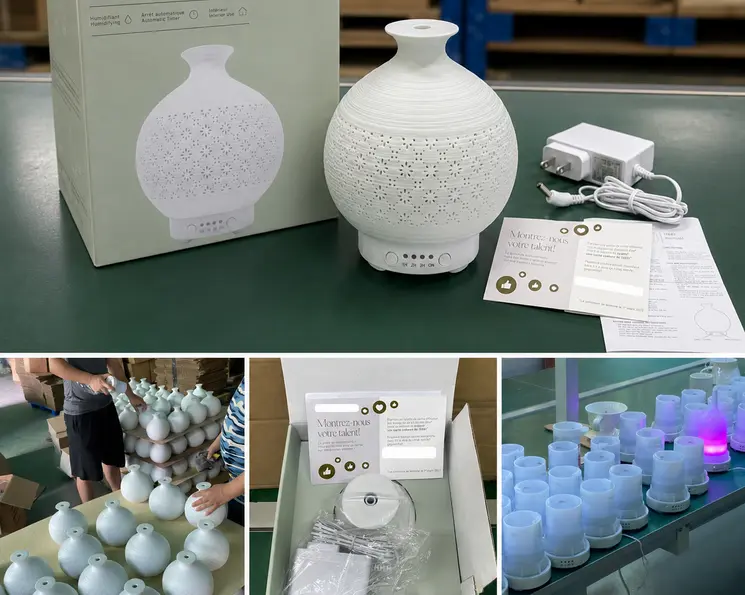
A sample approval is an important step, but the production team still needs a clear answer to three questions: what has been accepted, what must improve, and which requirements govern the order. The final sample, written comments, product specifications and packaging instructions need to tell the same story.
This matters particularly when a sample has imperfections that cannot be completely eliminated within the chosen design and manufacturing process. The buyer and factory need a shared understanding of production difficulty, tolerances and acceptable variation. At the same time, product production and packaging preparation may follow different schedules. Some work can proceed while other details are being finalized, provided the unresolved details do not change that work.
What Does Approving the Sample Actually Mean?
“Sample approved” can be too broad if the sample has pending corrections or represents only part of the final order. A buyer may approve its shape and finish while expecting a logo adjustment. A product sample may be accepted before the printed box or labels are ready.
The approval record should therefore identify the sample and describe its scope. Relevant details may include the item and version, material, dimensions, finish, accessories and, for electrical products, the agreed functional and electrical configuration. Only the requirements relevant to that product need to be included.
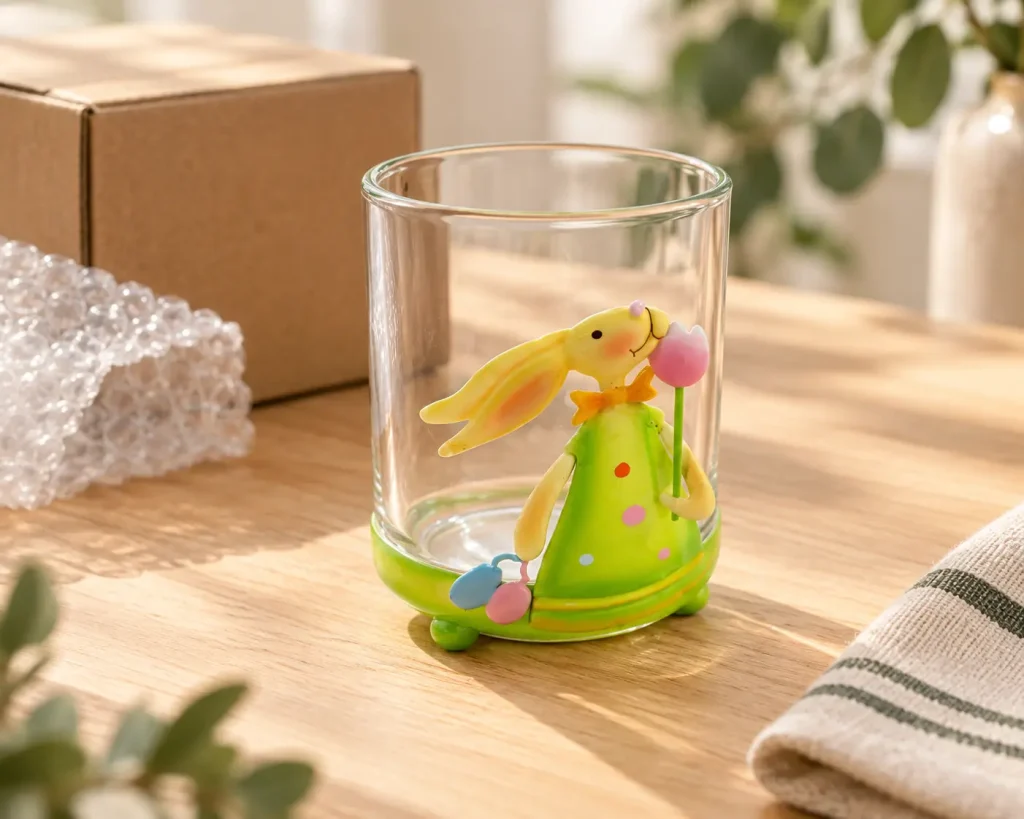
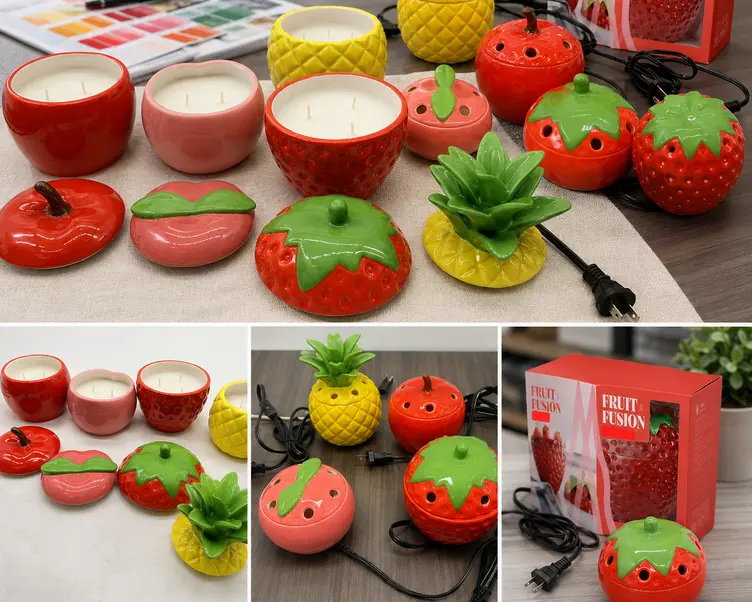
At Green-Life, each sampling round is recorded through documents such as internal sample evaluation reports and customer feedback forms. Particular attention is given to the final approved sample, often called the golden sample when it serves as the agreed production reference. It should be read together with the approval comments, including any agreed improvements or limits. This keeps the final decision connected to the earlier comments and revisions.
A useful approval distinguishes three things:
- Features accepted as the production reference.
- Specific points that must be corrected or improved.
- Items still awaiting a separate decision, such as packaging artwork.
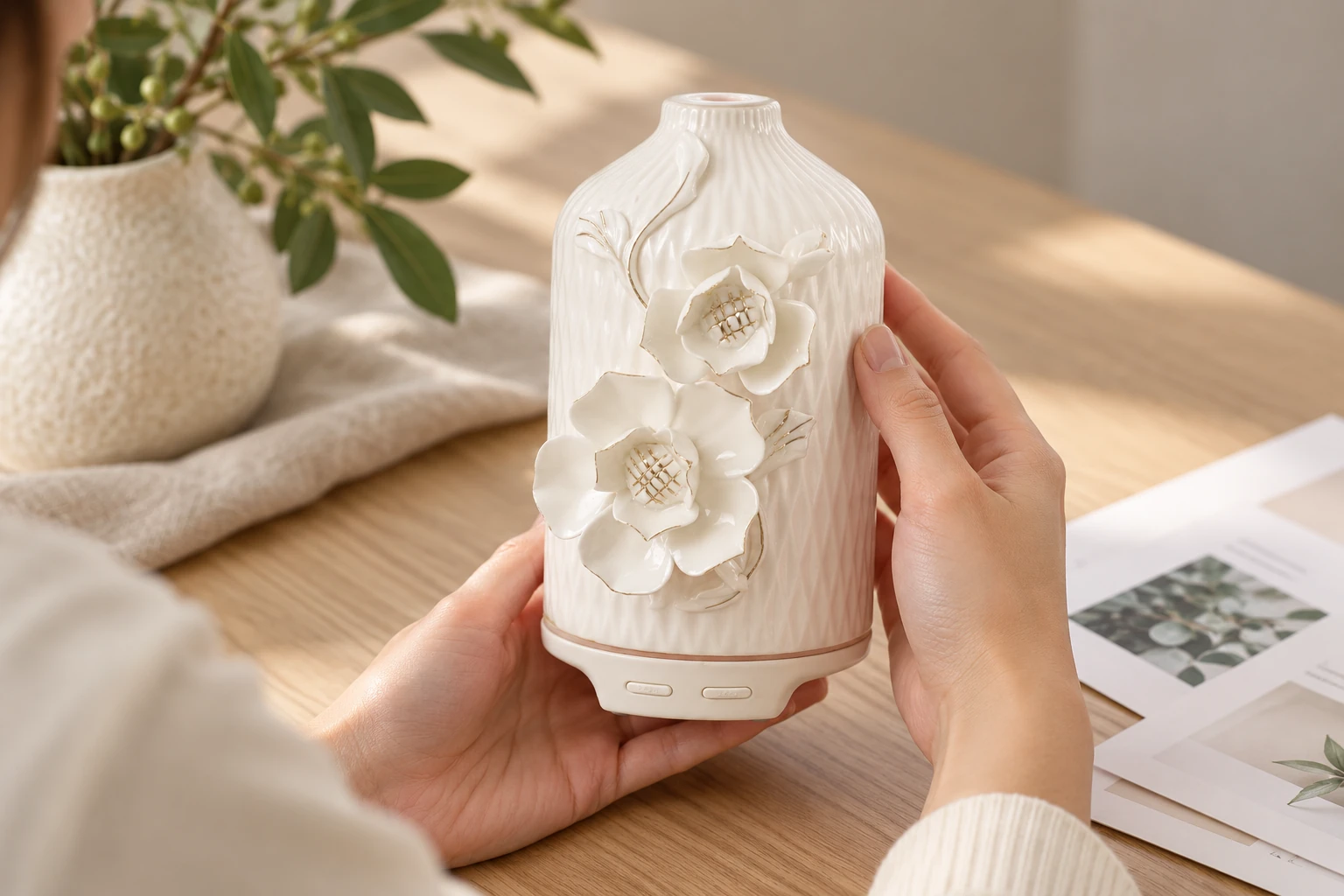
If the physical sample and written comments conflict, clarify the difference before the affected work starts. A sample should not silently override an agreed correction, and a general request to “improve the quality” gives the factory too little direction.
How Should Imperfections in the Approved Sample Be Handled?
A sample is a physical reference, but it may not be a flawless one. Some imperfections can be corrected; others require a discussion about what the selected materials, process and structure can consistently achieve.
Green-Life works in both directions: with the factory to assess production difficulty, manufacturing limits and improvement possibilities, and with the customer to confirm workable tolerances and acceptable variation. The aim is a clear production and inspection reference that the factory can consistently follow and the buyer accepts.
Separate the target from the sample’s existing condition
For each disputed point, describe what is present and what production is expected to achieve. “Follow the approved sample” is insufficient when that sample contains a feature the buyer expects to improve.
Depending on the issue, the reference may combine written comments, marked photographs, measurements or physical samples. These are suggested ways to make a decision clear; every order does not need a complex set of documents or numerical limits for every visible variation.
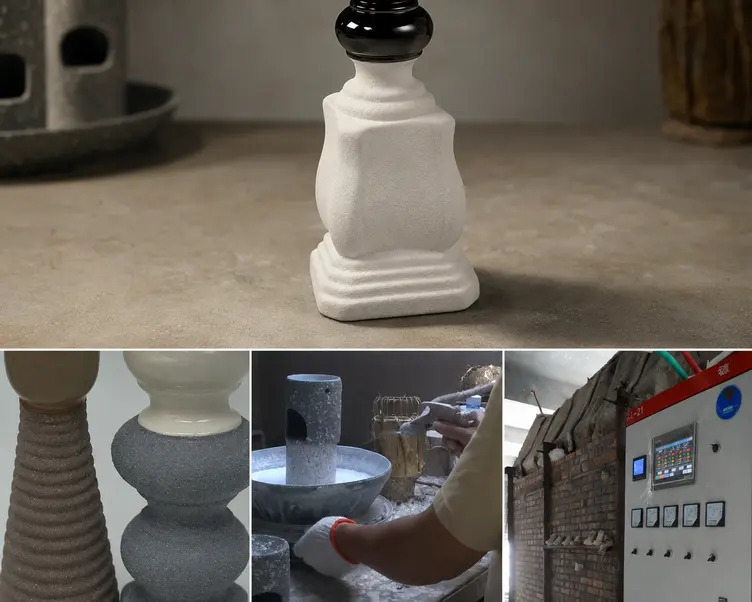
For example, a decorative finish may need an agreed visual range, while a lid or removable dish may need a defined fit. This is an illustration of how to describe requirements, rather than a reported Green-Life project or a universal acceptance rule.
Confirm what is achievable before promising an improvement
A request for tighter consistency may involve changes to the process, tooling, materials or design. Where relevant, assess the effect on cost, production efficiency, timing and further validation before confirming the revised requirement.
If the factory cannot reliably achieve the buyer’s expectation, that difference needs to be resolved before the affected production proceeds. The options may include adjusting the design or process, reviewing an improved sample, or accepting a clearly described variation. Neither side should rely on an unsupported promise that the bulk order will simply be better.
Acceptance of an appearance variation does not resolve a safety or essential-function concern. Those issues need appropriate technical review and verification, rather than an appearance approval alone.

How Does the Approval Become a Production and Inspection Reference?

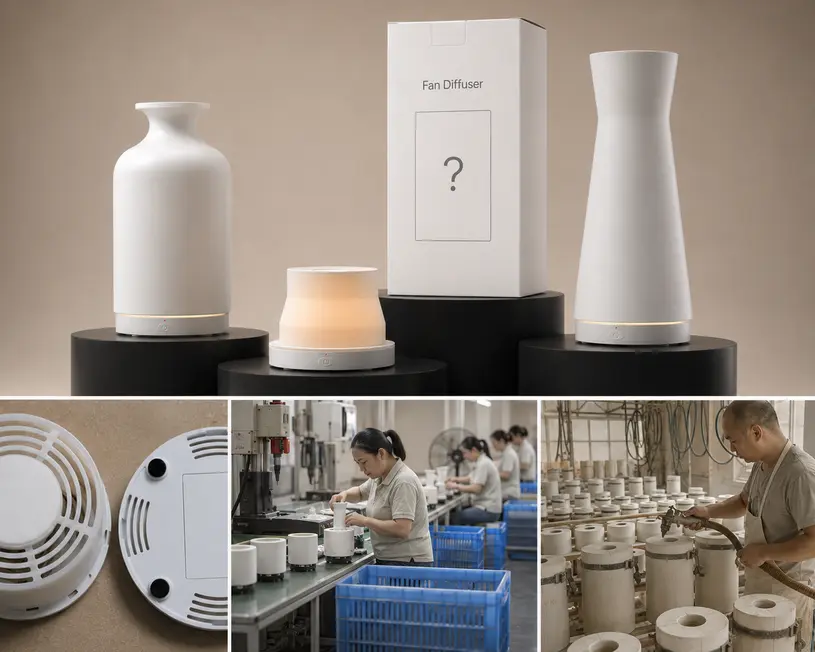
For new orders, Green-Life issues a document covering detailed packaging requirements and inspection standards in addition to the order contract, based on the approved sample. This translates the agreed reference into requirements for the people producing, packing and checking the goods.
Where necessary, Green-Life also holds a pre-production meeting (PPM) with the factory to discuss risk points and solutions. The purpose is to make the requirements workable at the production stage, especially where sampling comments need attention during bulk manufacture.
The discussion should focus on the relevant issues: what needs attention, how it will be controlled, who will follow up and when the action should be completed. Depending on the product, this may concern shape, structure, function, decoration, color, accessories, materials, packaging or testing requirements.
The buyer does not need to create a factory inspection procedure to make this work. Green-Life manages routine inspection using its product experience, physical references and AQL-based sampling for lot acceptance. Depending on the product’s quality requirements and project needs, Green-Life may also carry out unit-by-unit inspection of specified quality checks.[1]
Before inspection, the applicable criteria should identify the checks, relevant defect classifications and acceptance rules. Where Critical, Major and Minor classifications are used, they should reflect the product and the consequences of each nonconformity; a sample’s appearance alone does not determine the classification. Sampling or unit-by-unit inspection defines how the specified checks are applied. Neither replaces any necessary functional or reliability validation, and neither guarantees zero defects.
Must Product Production Wait for All Packaging Details?
Not necessarily. In Green-Life’s order handling, once the sample and order are confirmed, material preparation and product production can often be arranged even while packaging artwork or label content is still being finalized. Packaging materials generally have a shorter production cycle and can be arranged later. This is a practical scheduling approach, rather than a fixed lead-time promise for every project.
The key question is whether the unresolved packaging detail affects the work being started.
If only printed content remains open and the product requirements are settled, the two workstreams may proceed separately. If a pending decision could change the packaging method, packed dimensions or product price, its effect needs to be checked before the related work proceeds.
A buyer should also distinguish approval of printed artwork from confirmation of the physical packaging. Correct graphics do not establish that the product and its accessories fit properly or are adequately protected. The product dimensions, packaging structure and protective requirements relevant to that work should be settled before packaging materials are committed to production. Where packaging performance needs validation, the relevant product and packaging configuration must be identified.[2]
Agree when outstanding artwork and labels need to be confirmed, when packaging materials are needed, and how these dates connect to packing and shipment. “Packaging can follow later” still requires coordination; it does not mean it can remain undecided indefinitely.

What Should the Buyer Confirm Before the Next Stage?
Buyers can use the following practical checklist to keep pre-production discussions focused and confirm what is ready for the next stage.
| Confirmation point | Question to resolve |
|---|---|
| Final sample and comments | Which sample is the current reference, and what does its approval cover? |
| Imperfections and improvements | What is accepted, what must change, and what can the factory consistently achieve? |
| Product and order requirements | Do the sample, specifications and ordered configurations agree? |
| Production and inspection instructions | Have the agreed requirements and risk controls reached the responsible production and QC personnel? |
| Outstanding packaging details | What remains open, when is it needed, and does it affect work already planned? |
| Later changes | If an approved detail changes, which work and verification must be reassessed? |
When a requirement changes, review its effect before proceeding with the affected work and update the relevant instructions. The practical value of sample approval comes from a shared, usable reference: the customer knows what to expect, the factory knows what to produce, and inspection has a clear basis for judgment.
Sources
[1] ISO 2859-1:2026 — Sampling procedures for inspection by attributes. https://www.iso.org/standard/2859-1. Accessed 15 October 2026. ↩
[2] ISTA — When should a packaged-product be retested?. https://support.ista.org/portal/en/kb/articles/when-should-a-packaged-product-be-retested. Accessed 15 October 2026. ↩