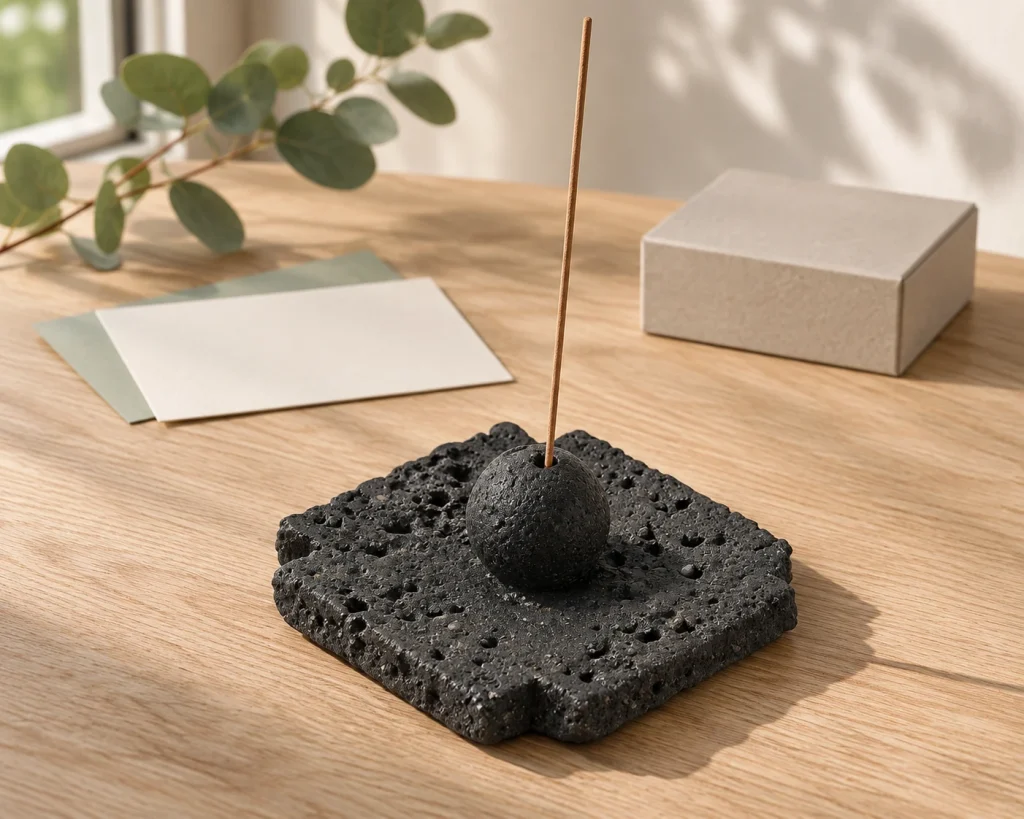
A custom aroma ware project needs a schedule that connects sampling, buyer feedback, product production, packaging and shipment. Start with the date the goods need to reach your warehouse or sales channel, then work backwards with your supplier. Allow time for sample revisions, and identify which activities can proceed together.
The amount of time needed depends on what is being developed. A new glaze on an existing ceramic vessel and a new functional configuration for an electric diffuser involve different sampling work. A useful plan makes those differences visible before a production date is agreed.
Start with the Date the Goods Are Actually Needed

First, explain what your target date means. Goods ready at the factory, goods shipped, goods received at your warehouse and products available for sale are different milestones.
If a retailer needs stock in its warehouse before a launch, that warehouse deadline should guide the plan. Transport, customs clearance and receiving arrangements need space between factory completion and that date. Where you buy empty vessels for local filling, include the filling, final packing and delivery work that follows their arrival.
Share the target market, quantity, product scope and delivery arrangement with your supplier. These inputs help identify the applicable validation work, production approach and preparation needed before dispatch. They also clarify which activities remain with your own team or other partners.
It also helps to distinguish a preferred launch date from a firm customer receiving deadline. If the available time is tight, discuss the development scope early. Using an existing shape with a custom finish may offer a different route from developing a new shape or function. The appropriate choice depends on the product objective and the work still required.
Leave Time for the Parts of Sampling That May Need Revisions

Sampling should include time to make the sample, send physical samples where needed, complete your team’s review, communicate feedback and make any necessary revisions. Allow for courier transit and any sample clearance arrangements as well as the review itself. Planning only for the first sample leaves the rest of that work unaccounted for.
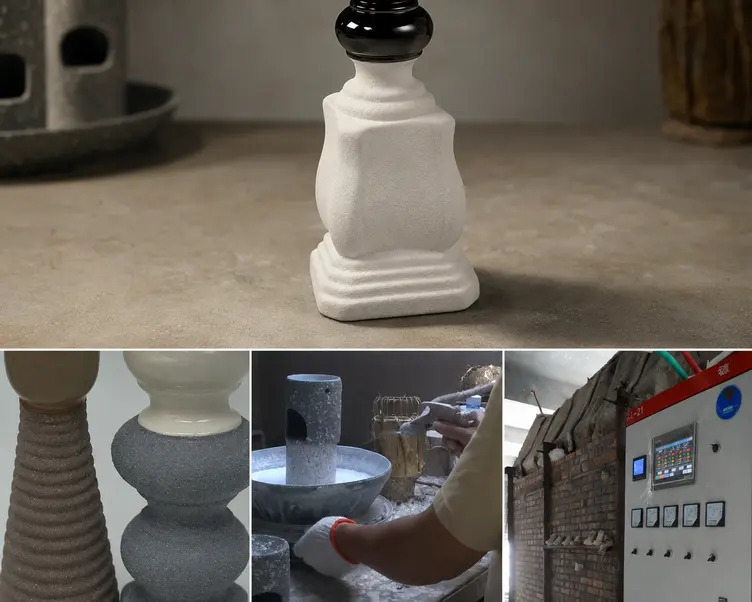
In Green-Life’s experience with non-electric projects, surface finishes can be a source of delay. For ceramic products, developing a new glaze and reviewing the fired result sometimes takes several rounds. An existing vessel shape therefore does not automatically make a new finish quick to approve.
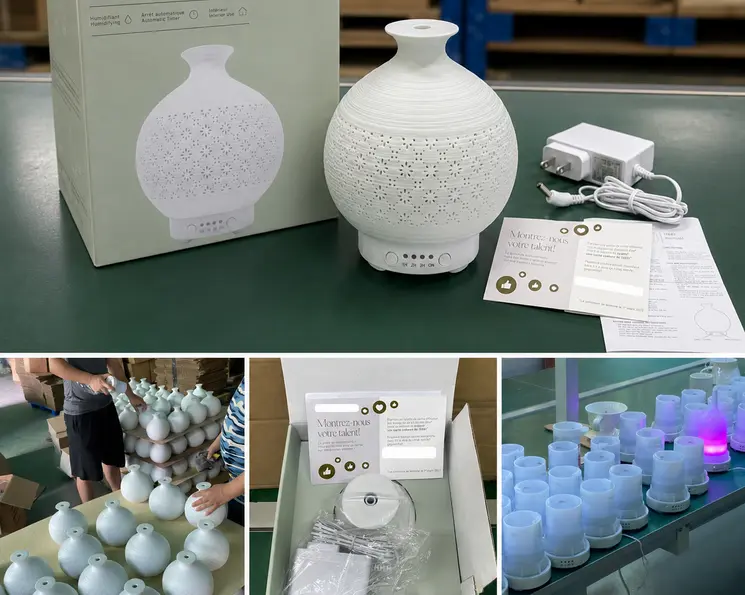
For electric projects, functional adjustment of the initial sample often takes more time. The schedule needs to reflect the functions being developed and the work required to assess the sample. A sample that looks right may still need functional development. Where the project involves new molds or tooling, trial runs, or components with longer lead times, include those activities in the plan as well.
Before setting the sampling schedule, agree on what the first sample is intended to demonstrate. Is it for shape and appearance, a particular finish, or the intended functional configuration? This gives the buyer a clear basis for feedback and helps both sides understand what remains for a later stage.
Necessary performance, compatibility or safety validation should also be included in the development plan. Agree on the sample configuration, quantities and timing with the supplier and, where needed, the testing provider. Some tests consume or damage samples, so allow for separate test units and any replacements needed for further testing. If you use local filling equipment, share its relevant dimensional and handling requirements early enough to include fit checks in sample review.
Plan Product and Packaging Work Together
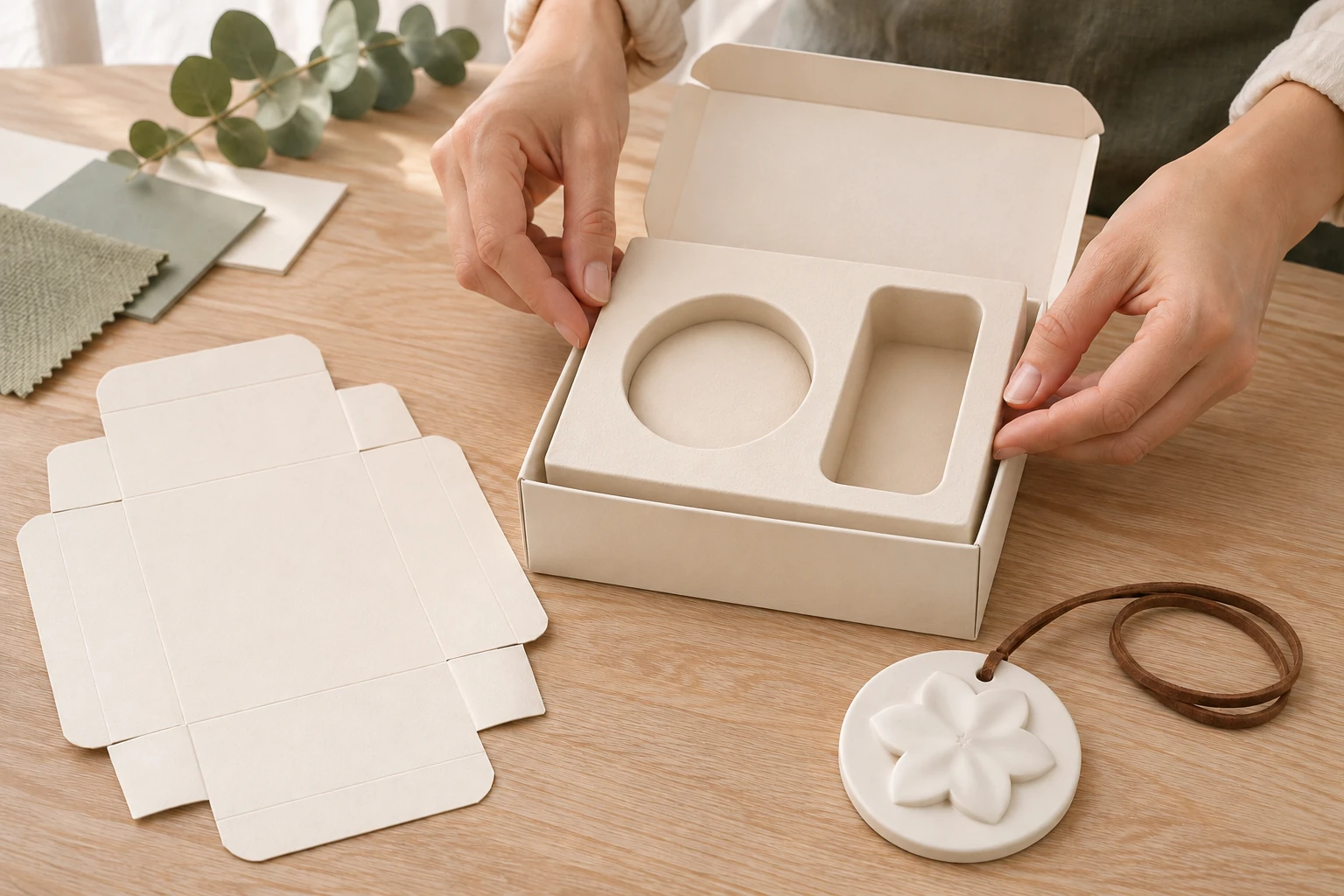
Product development and packaging preparation can overlap. Packaging requirements can be discussed early, while artwork and other details are developed as the product becomes clearer.
In Green-Life’s order handling, once the sample and order are confirmed, material preparation and product production can often begin while packaging artwork or label content is still being finalized. Packaging materials generally have a shorter production cycle and can be arranged later. Confirm the timing for the actual packaging selected, especially if it needs custom inserts, new tooling or several finishing steps. Check packaging MOQs, setup costs and any surplus quantities at this stage, as they may affect the packaging choice and budget.
The practical question is whether the outstanding decision affects the work about to start. If the product requirements are settled and only printed content remains open, the two activities may follow separate schedules. If an unresolved detail could change the packaging method, packed dimensions or product price, review its effect before proceeding with the related work.
Physical packaging also needs a place in the plan. Confirm the relevant product dimensions, accessories, packaging structure and protection requirements before packaging materials enter production. Final print artwork should match the agreed packaging dieline—the template showing the box’s cut and fold lines. Where transport packaging needs validation, arrange samples that represent the intended production product and packaging early enough to allow changes.[1]
The following table can help buyers discuss the overlap with their supplier:
| Activity | What the schedule needs to establish |
|---|---|
| Product sampling | What each sample should demonstrate and when feedback is needed |
| Product production | Which product requirements and order conditions must be settled before work starts |
| Packaging development | Which dimensions and contents the packaging must accommodate |
| Artwork and labels | Which dieline version to use and when final content is needed |
| Packaging validation | Which product and packaging configuration will be assessed, and when |
Parallel work is useful when the inputs for each activity are sufficiently settled. Starting packaging production while dimensions are still likely to change can create rework and extra cost.
Connect Packaging Completion to Packing, Inspection and Dispatch
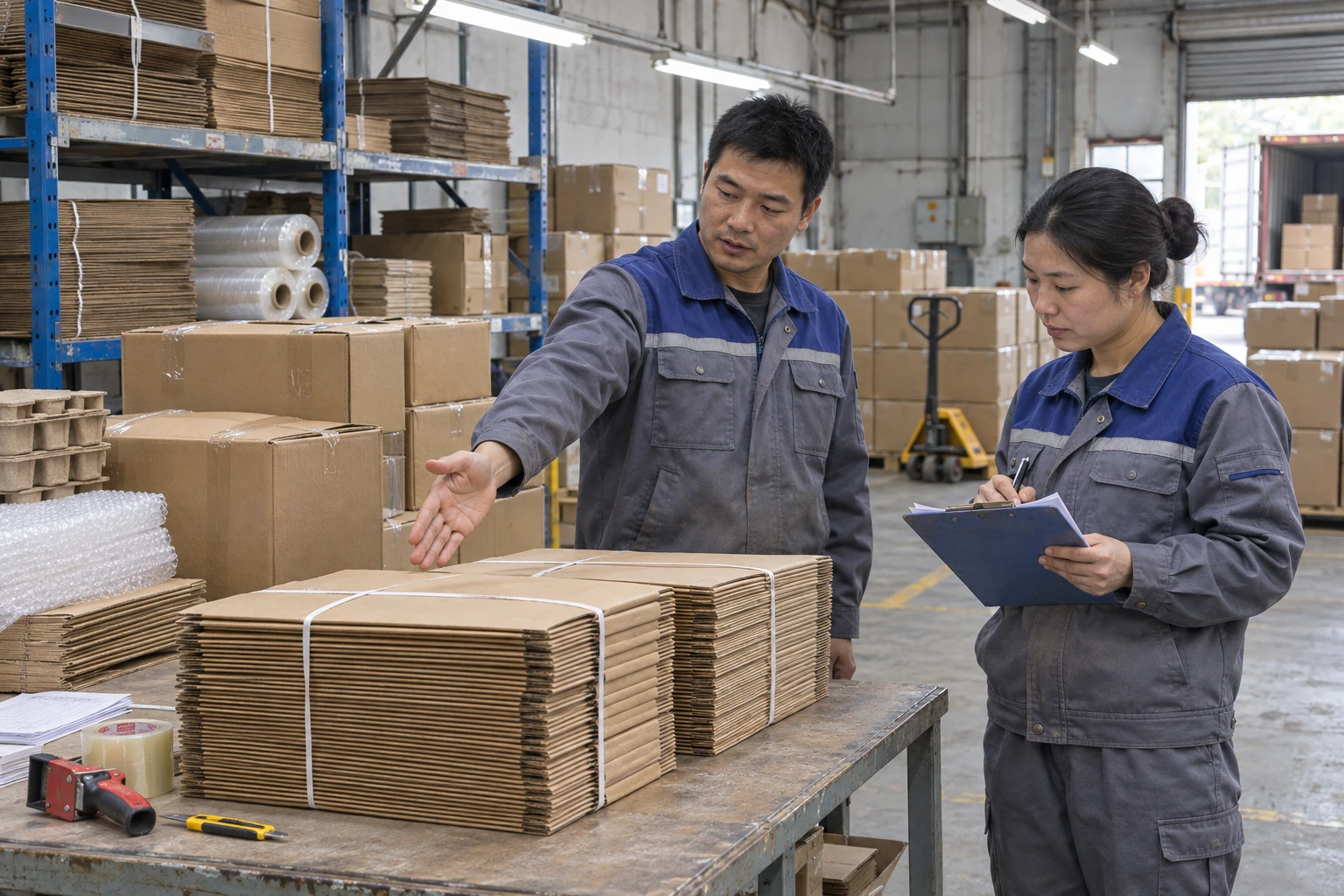
Product completion is one milestone in the delivery plan. Packaging and accessories also need to reach the location where packing will take place. If they come from separate suppliers, include delivery and receipt in the schedule so that completion at one supplier is not mistaken for readiness to pack.
Give the plan separate dates for product completion, packaging arrival, packing, inspection and dispatch. Some inspection takes place during production, while other checks require finished goods or packed units. Before confirming a pre-shipment inspection date, agree with the inspector or inspection provider how much production and packing must be complete. Allow time after inspection for report review and any necessary correction or reinspection before the shipment cutoff.
For each important milestone, identify who needs to provide the next input. Buyers may need to supply artwork, label content or approval comments. The supplier needs to coordinate the relevant production and packaging activities. Confirm who will arrange transport under the agreed delivery terms, and coordinate the booking with the expected cargo readiness date.
A simple shared schedule can record the activity, the input needed to begin, the person responsible and the current target date. This makes it easier to see, for example, whether late packaging artwork will affect only printing or also the planned packing date.
Update the Plan When Sample Feedback Is Late

When sample feedback is delayed, the following work usually has to move back. In Green-Life’s experience, it may be possible to speed up later activities, but that depends on what can still be adjusted.
Start by updating the affected milestones. Then discuss which later activities can realistically be brought forward or completed faster, and whether doing so changes the cost or other project arrangements. Look first at waiting time, preparation and coordination. Preserve the processing and test time needed for the selected materials, manufacturing process and validation requirements.
Avoid leaving the original shipment date unchanged while the work needed to reach it continues to slip. If the revised schedule misses the required receiving date, the buyer needs an early decision: adjust the launch, reduce or simplify the custom scope, or review an alternative delivery arrangement with the parties involved. Options such as split shipments or air freight need confirmation of feasibility, added cost and the arrival dates they can realistically support.
Before the project starts, agree when buyer feedback is needed and how a delay will be communicated. During development, keep the schedule connected to actual progress. The most useful dates are those that reflect the current sample status, confirmed requirements and remaining work.
Quellen
[1] ISTA — Getting Started with Design & Testing https://www.ista.org/getting_started_with_design.php ↩