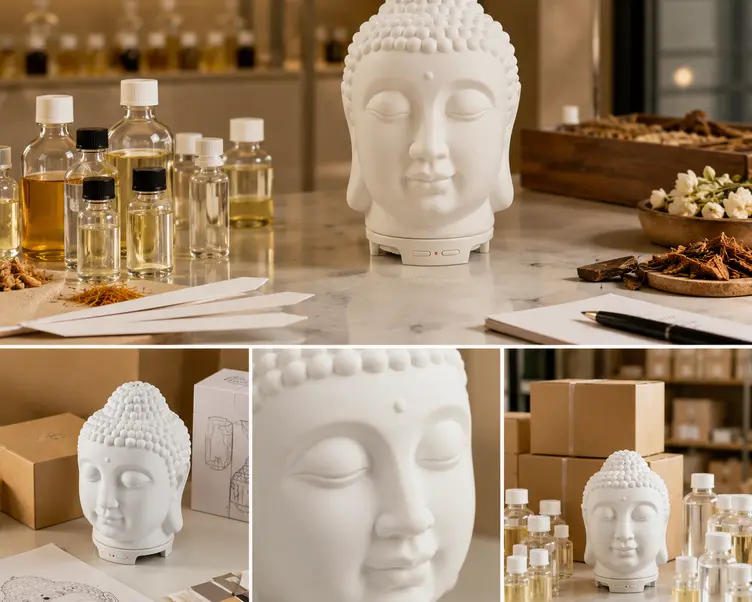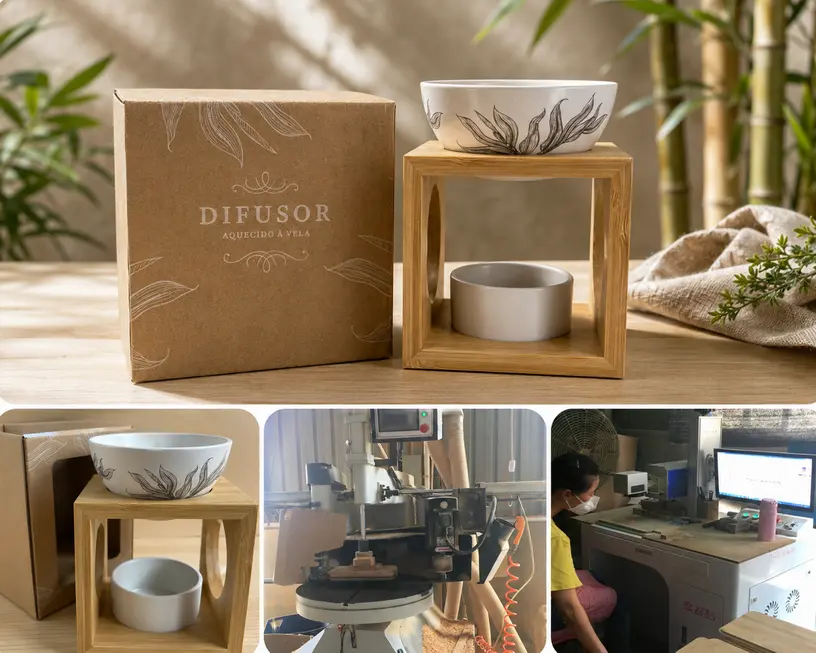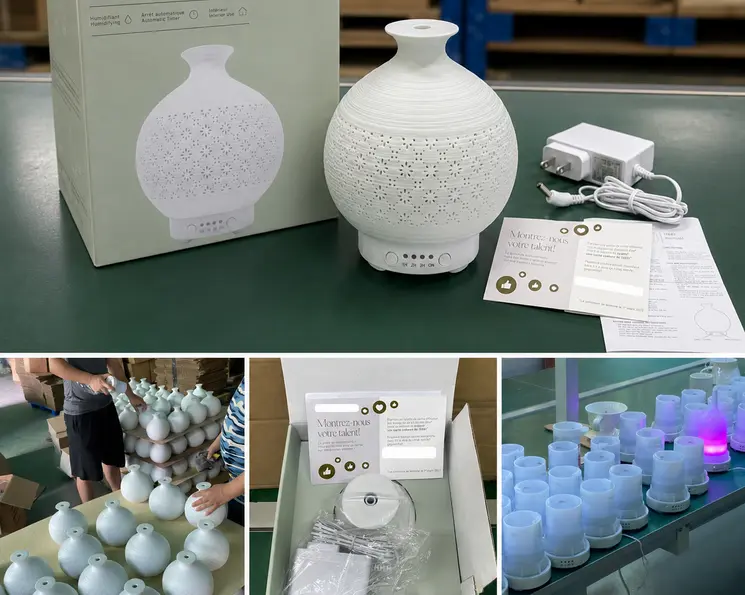
A coordinated aroma ware range makes sense when its products serve a clear customer need and the business can support the consumables behind them. For fragrance brands, Green-Life generally recommends building a strong position in an existing category before expanding into another. Retailers and gift businesses may have a reason to offer several categories from the outset, including incense where there is an established local audience.
A collection can begin with products for fragrance liquids and candles, then develop further as the business becomes ready. Its scope should follow the customers it serves and the supply it can sustain.
Should a Fragrance Brand Start Within Its Existing Category?
A brand already producing essential oils or fragrance liquids has a starting point for developing coordinated wares around those products. A candle brand can similarly deepen its candle offering before entering a different fragrance format. A business with both production lines may have a basis for developing both sides of a collection, while still needing to assess each product separately.
Green-Life's recommendation is to develop the core category first, particularly where a brand has an established production line. This gives the business room to refine its consumables, product presentation and customer experience before taking on another category.
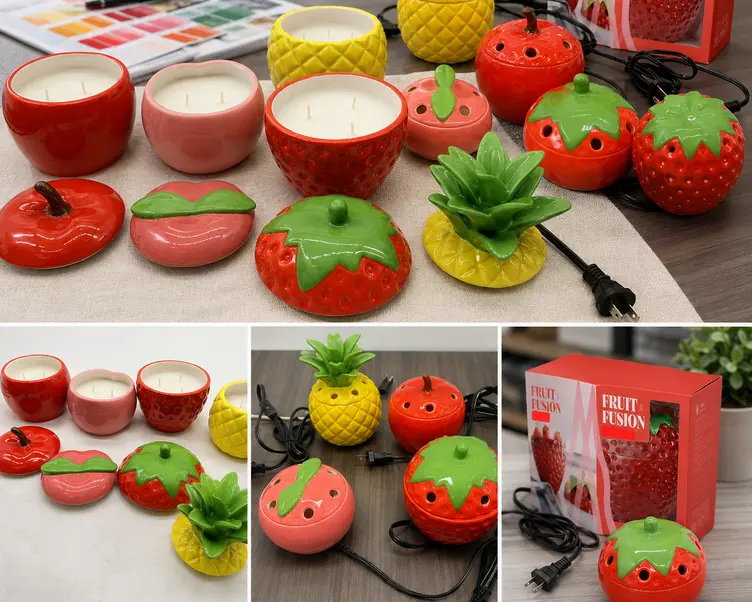
For example, a fragrance-liquid brand considering candle-related wares also needs a credible plan for the candles that accompany them. That may involve its own production or a dependable supply partner. For a filled candle, the vessel, wax and wick need to be assessed together for suitability and burning performance.[1] An attractive candle vessel alone does not establish that capability.
Expansion becomes more convincing when it builds on a stable core offer and answers a specific customer or channel need. If quality or supply is still inconsistent, adding another category can spread attention and resources across more unresolved problems.
Why Might Retailers and Gift Businesses Choose a Broader Range?
Retailers and gift businesses can approach the same decision through assortment planning. Their role may be to bring together suitable products from different sources, rather than develop each consumable through their own production lines.
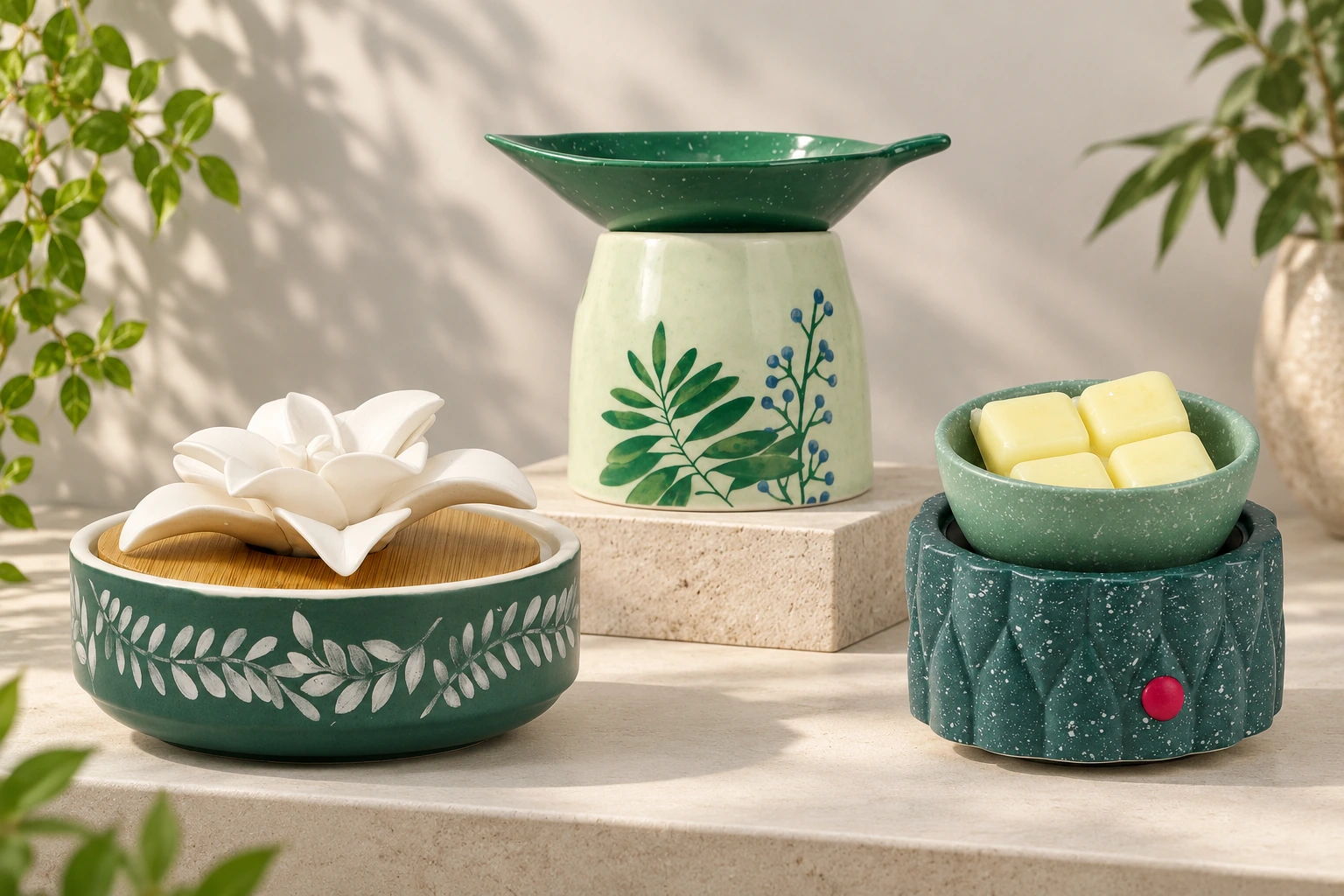
A coordinated group of diffusers, candle-related wares and selected incense products may help them present a recognizable theme while offering different ways to enjoy fragrance. Customers can choose the format that suits their habits, space or gifting occasion. Coordinated displays can also introduce related products and create opportunities for complementary purchases. Each item still needs a reason to sell on its own; a coordinated range does not require every item to be purchased together.
The broader approach still depends on dependable supply and a clear role for each category. Buyers should consider whether their audience understands the products, how they will be presented, and whether the business can explain their different uses. A complete-looking display is a weak reason to add a category that the channel cannot support.
When Does Incense Belong in the Collection?
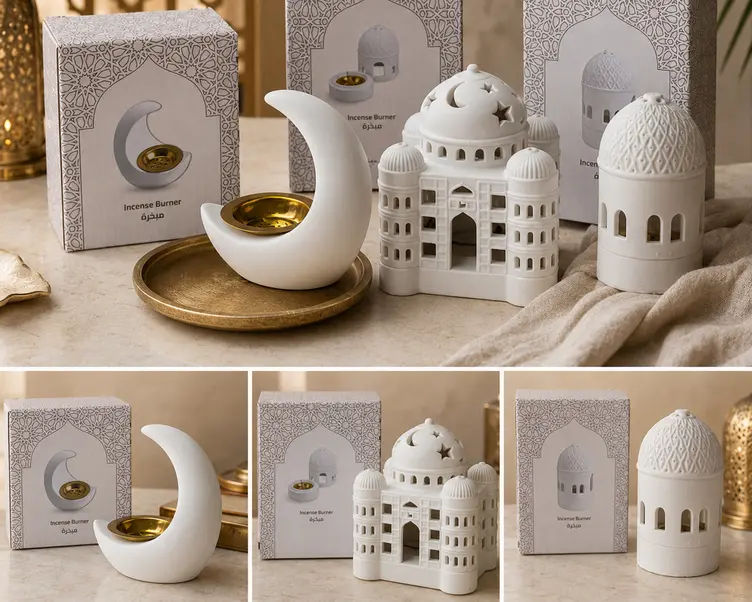
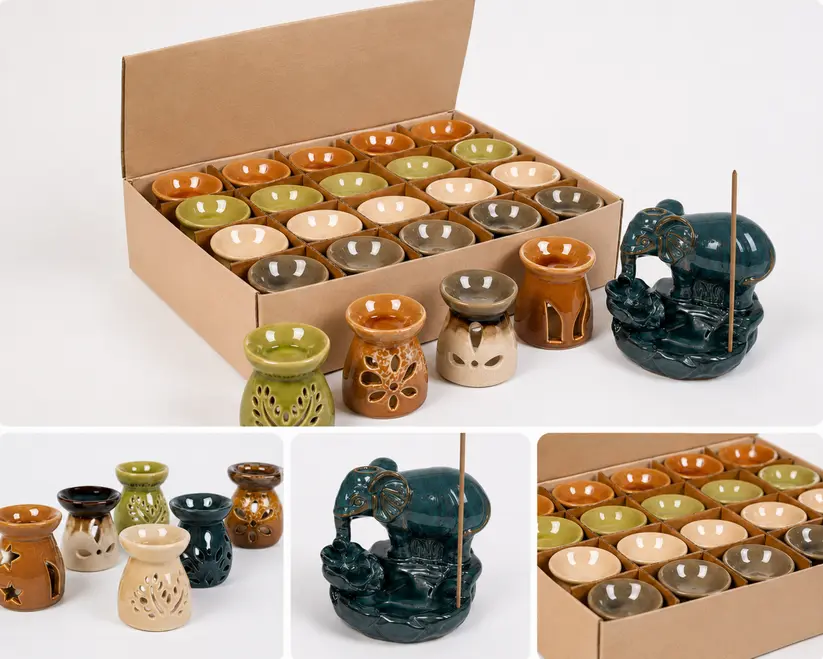
In Green-Life's experience, incense products often have a more distinctive style and a different consumer audience from products for fragrance liquids and candles. For this reason, Green-Life's current series development places greater emphasis on for oils and for candles.
For a retailer serving a local incense audience, adding incense wares may be a sensible extension. The decision should start with the incense formats and buying habits that audience already recognizes. The ware should suit the intended incense format, with appropriate provision for ash collection and cleaning where relevant. An incense holder selected only because it matches the collection's colors may have little relevance to those customers.
Marketing should reflect that distinction. A retailer can introduce the shared aesthetic at collection level, then give each category its own product explanation and appropriate use information. Incense may benefit from dedicated presentation for its intended audience, even when it belongs to a wider visual theme.
There is no need to force the same styling or sales message across all fragrance practices. Local customer knowledge should guide how closely incense is integrated into the collection.
What Should Stay Consistent Across Different Products?
Green-Life usually develops a shared appearance and style, then adjusts the form, material and surface effect to suit each product's function. Recognizable connections can come from a theme, a palette, a motif or a related treatment of shape.
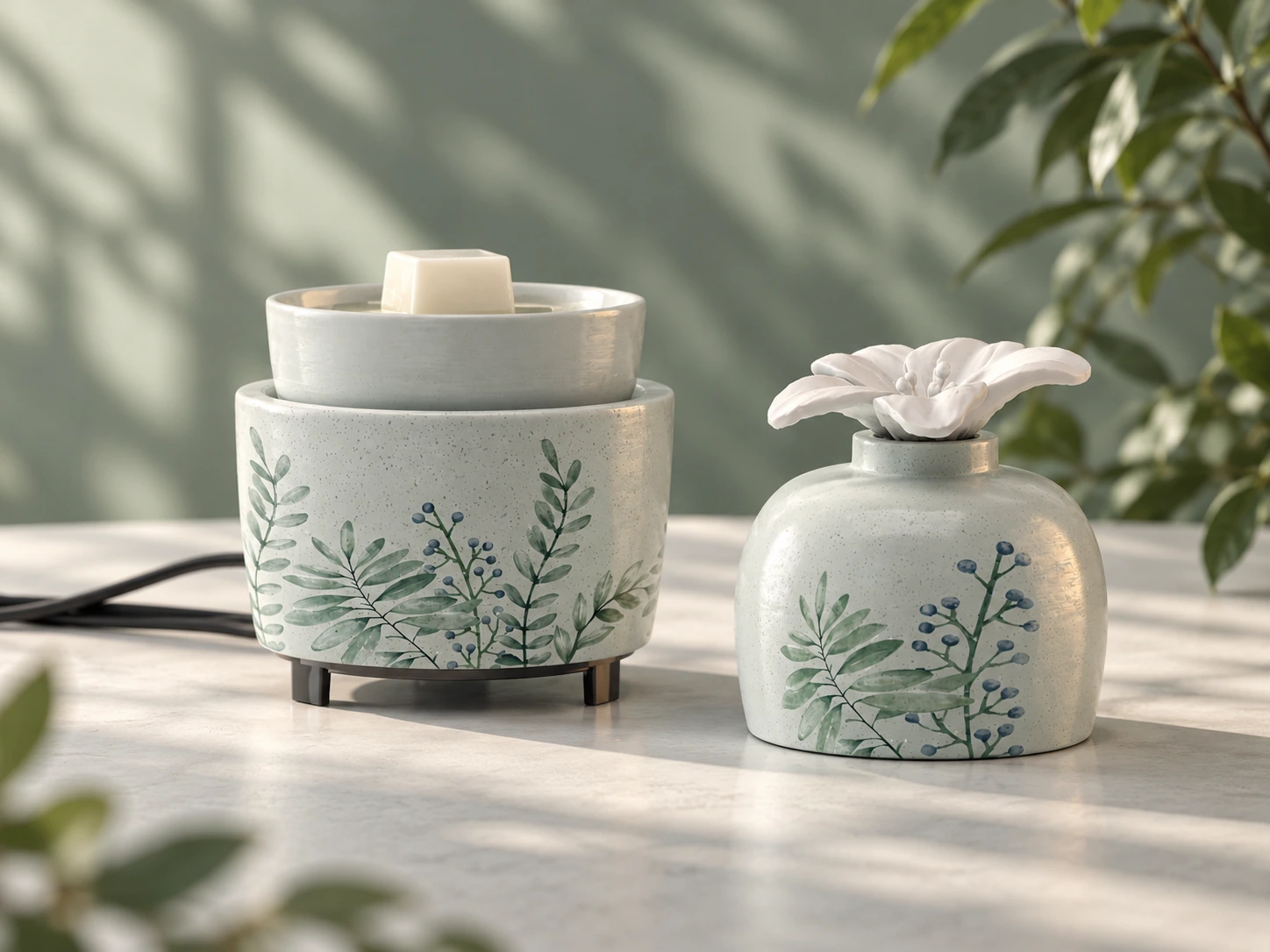
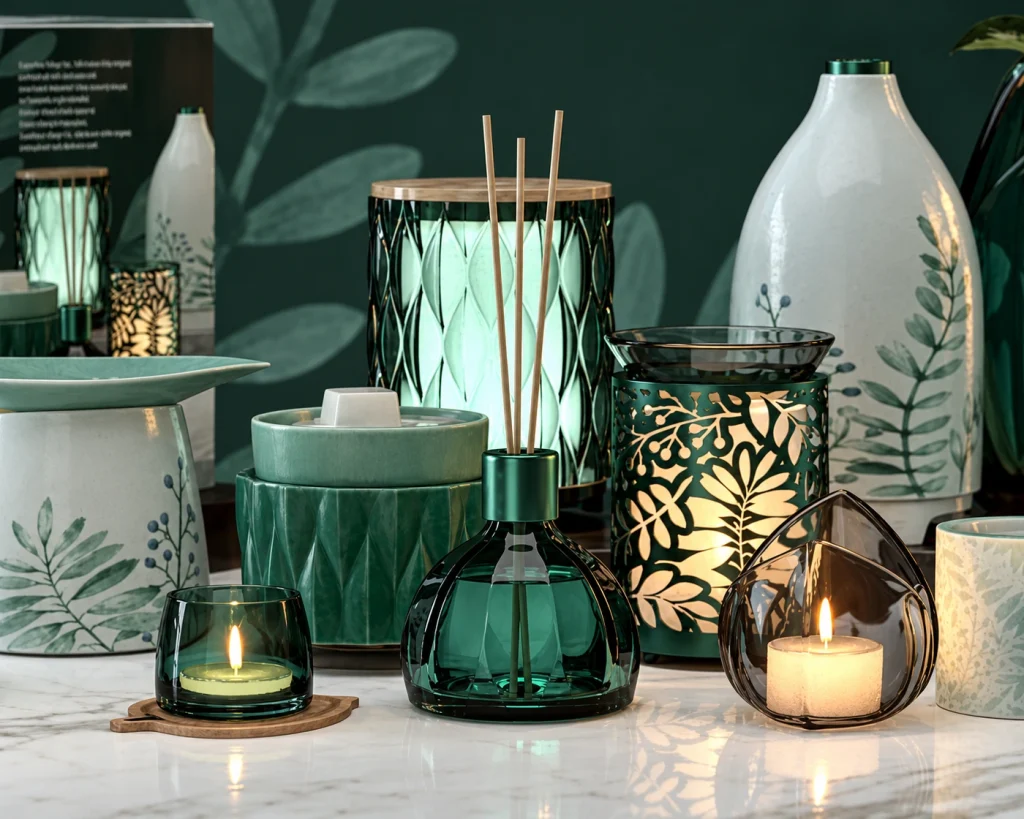
The Botanical Light and Shadow collection illustrates this approach. Its botanical identity combines layered greens, leaf imagery, white ceramic and translucent glass. The design language uses different interpretations of foliage, including prints, cut-outs and relief effects. These give the collection a common identity through varied expressions.
The collection page includes both sampled designs and concepts that have not yet been prototyped. It is a reference for coordinated design, rather than evidence that every proposed item is ready for production or has achieved market success.
Function still shapes each product. A vessel used with fragrance liquid, a container intended for a filled candle, and a wax warmer have different uses to accommodate. Their proportions, openings, materials and decorative details need to be assessed accordingly. A shared leaf motif does not establish that the same structure or finish is suitable for every application.
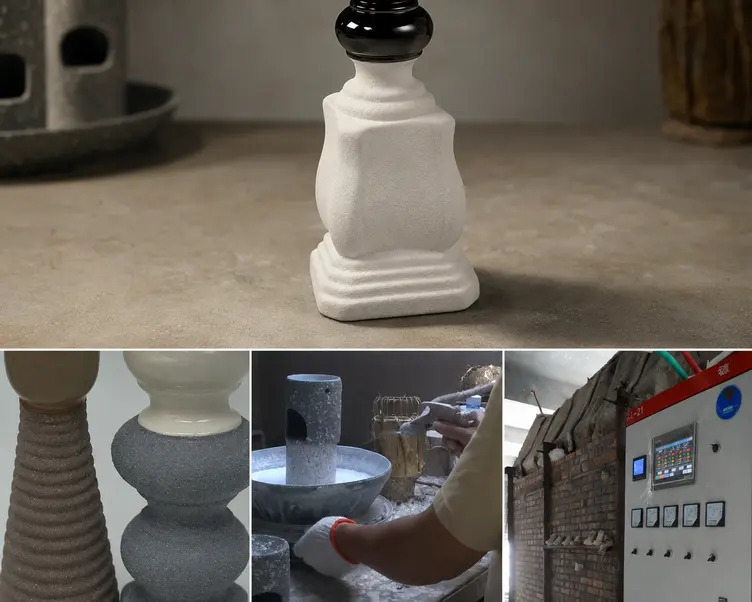
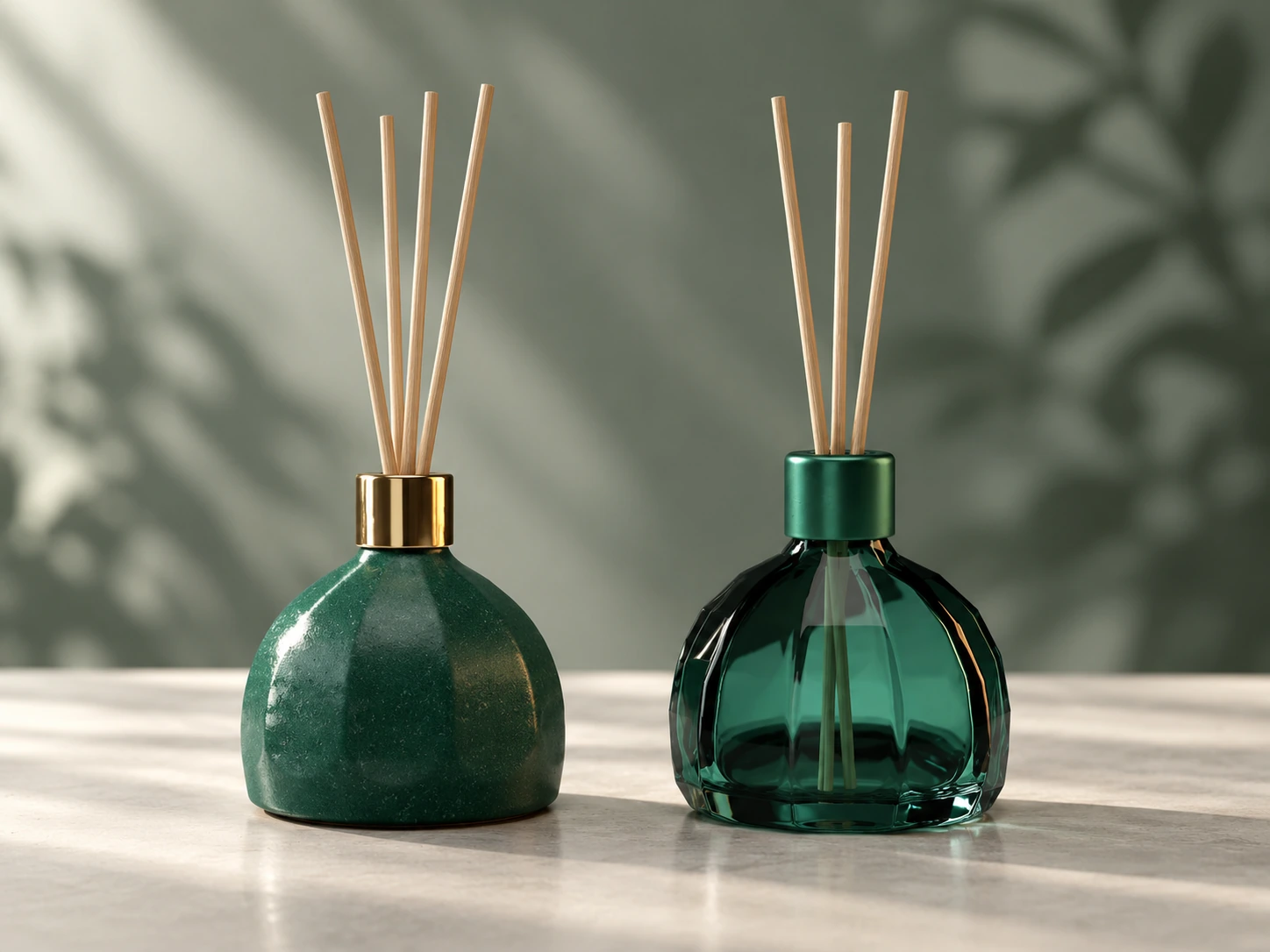
Visual consistency also needs a realistic brief. The same color or motif may appear different on ceramic and glass because of differences in material, surface finish and light transmission. Physical samples should be reviewed together to agree an acceptable degree of coordination, rather than assuming an identical appearance across materials.
For a buyer, the useful question is whether customers will recognize the family resemblance while understanding what each item does.
How Can a Series Support Brand Recognition and Repeat Business?
A coherent collection can attract attention and help customers recognize a brand's aesthetic. Someone who likes one piece may become interested in another product that carries the same design language. Over time, a consistent visual identity can support familiarity and loyalty.
These are commercial opportunities, rather than guaranteed outcomes. Customers also need a satisfying fragrance experience, consistent product quality and reliable availability. Attractive wares may encourage an initial purchase, but the consumable remains central to the experience that follows.
Where suitable fragrance liquids, candles or incense remain available, the collection may create more occasions for customers to buy those consumables. Some may purchase more often or across more formats. Others may simply shift spending between products they already buy. A wider range alone does not prove an increase in purchase frequency or total spending.
This is why Green-Life advises against expansion without stable consumable quality or dependable supply channels. The wares and the consumables need to support the same customer promise.
How Should the Range Develop Over Time?
Green-Life usually expands a series in stages. The starting point is to judge whether a theme and style suit the intended market or a relevant point of interest, then progressively develop the collection. A promising design direction provides a reason to investigate further; it does not establish demand for every possible product.
For a fragrance brand, a practical first stage may remain within its strongest category. For a retailer or gift business, it may include a wider selection where the audience and supply are already understood. In both cases, each addition should have a reason to be there.

Further products can be assessed against a few questions:
- Does this format serve an identifiable customer need?
- Can its consumable be supplied with consistent quality?
- Does the design suit the product's function while retaining the collection's identity?
- Can the business support product development, packaging, minimum order quantities, inventory, testing and marketing?
Each additional stock-keeping unit, or SKU, brings its own purchasing and inventory decisions. Buyers should assess minimum order quantities for each SKU, any tooling costs that apply, and the funds tied up in stock. Shared artwork or styling may offer useful continuity, but product-specific development and packaging still need consideration.
Before adding a category, allow for any additional testing, documentation and compliance work associated with the specific product, target market and sales channel, including the budget and time involved. A staged approach allows the business to refine these decisions as the collection develops.
Proceed when the next product strengthens the offer and its supply is ready. Adjust or defer it when the main argument is simply that the series looks incomplete without it. A focused collection with a dependable consumable offer gives customers a stronger reason to return.
Sources
[1] National Candle Association — Understanding Safety Standards. ↩