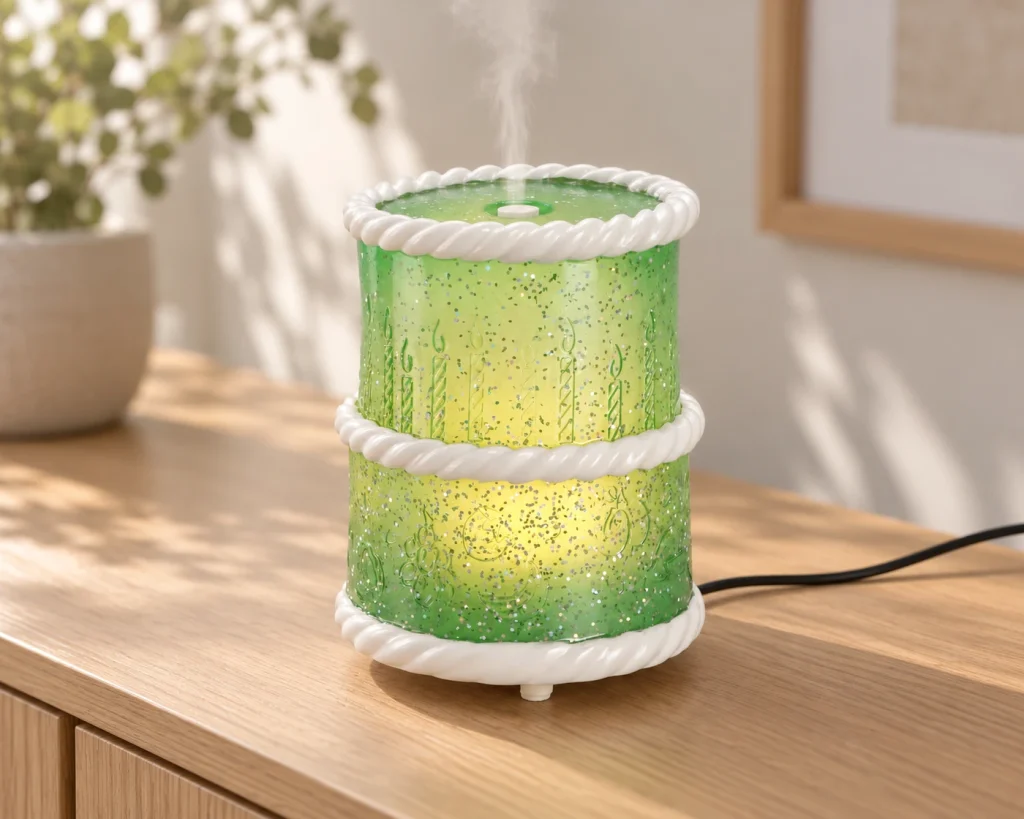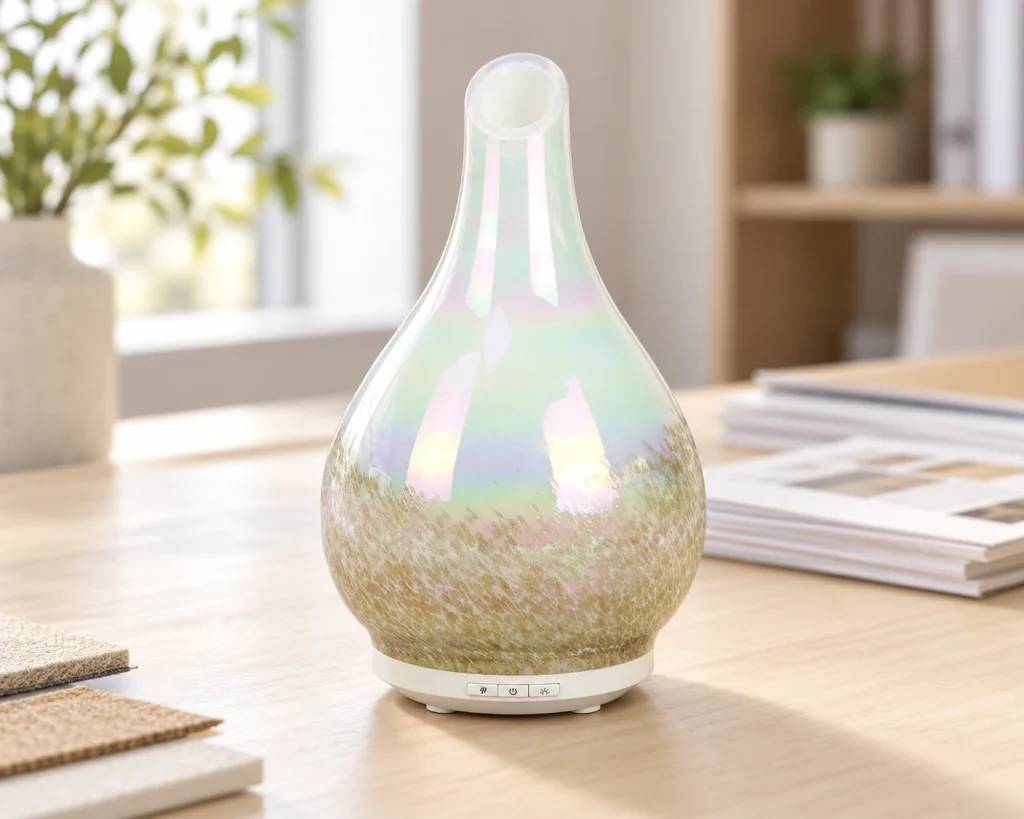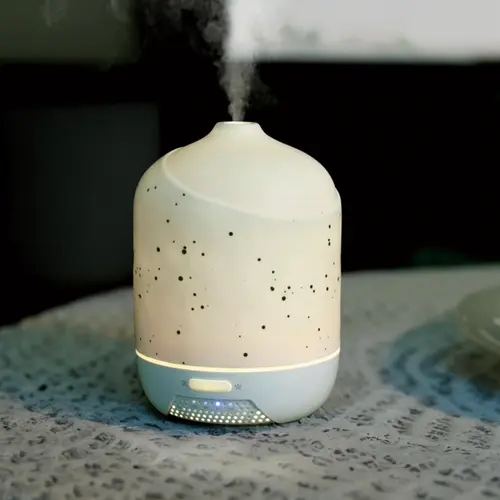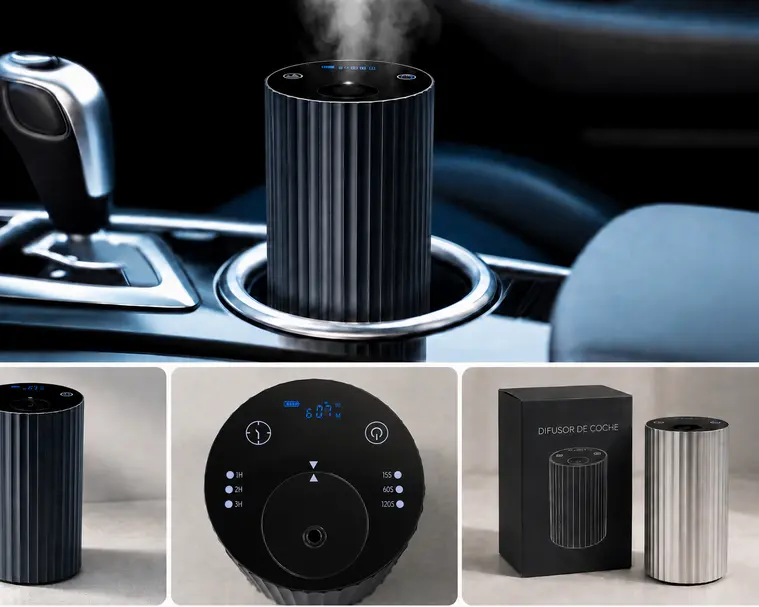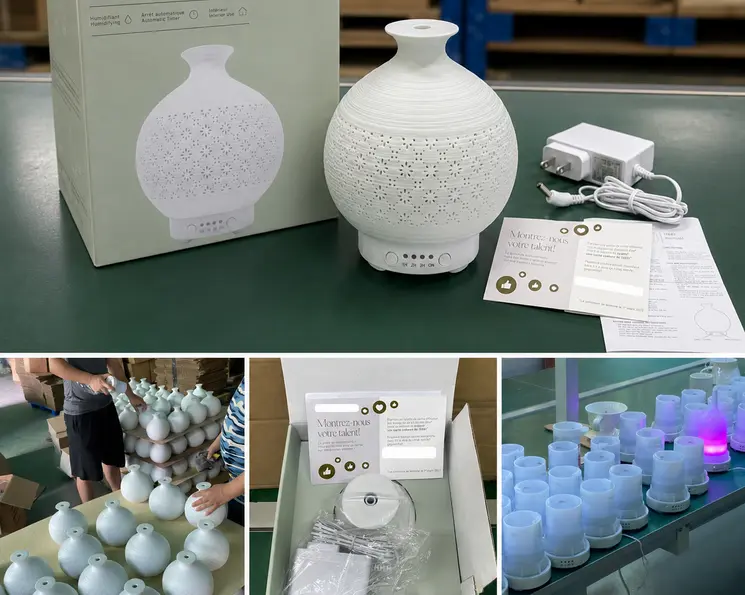
When choosing a supplier for an existing diffuseur à ultrasons with a plastic outer housing, buyers usually begin with its functions, build quality, price and suitability for their market. A working sample helps you check the controls, mist, lighting and power adapter. The main question is whether the supplier can consistently deliver the product you have evaluated.
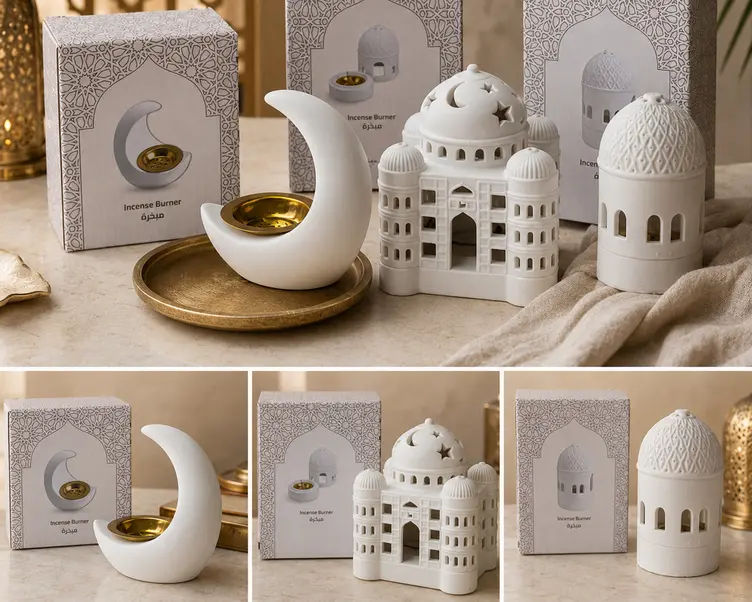
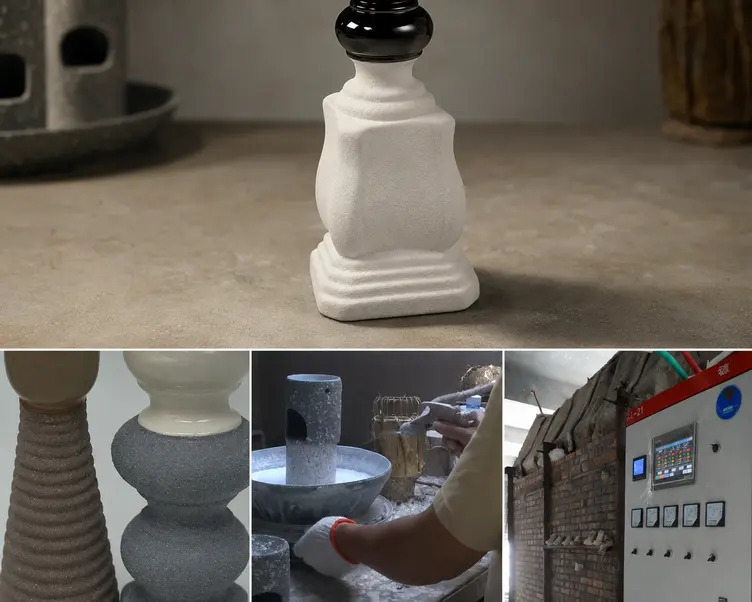
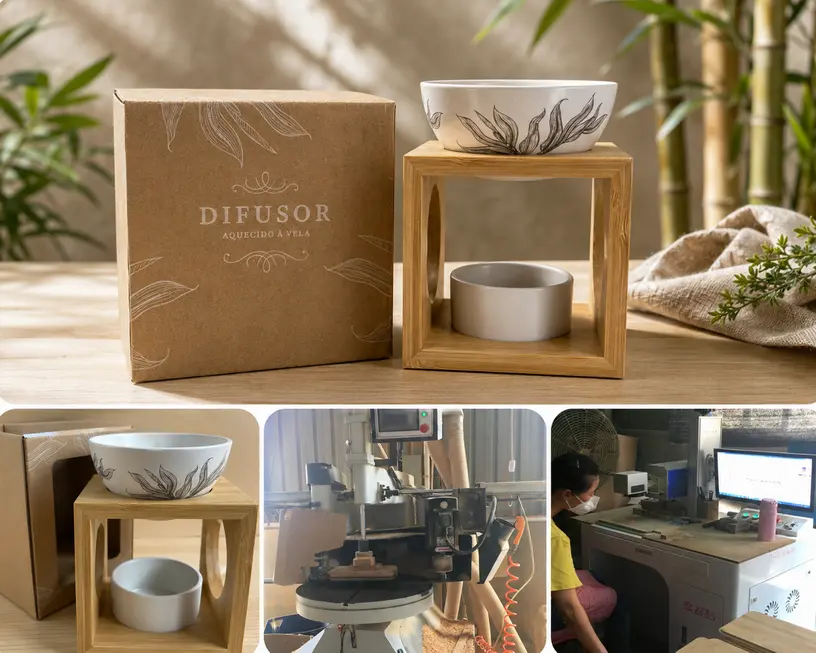
When the diffuser is also intended to be part of a home decor collection, supplier evaluation needs to go further. A ceramic or glass outer cover adds decorative workmanship and fit requirements around the functional unit, which may still contain a plastic water tank and base. The supplier needs to maintain both the appearance and operation of the complete product through production.
For a first order of an existing model, give particular weight to quality control. If you are developing a new product, also assess development capability. In both cases, look at how the supplier coordinates the work and follows through when something fails to meet the agreed requirements.
Are you buying an existing model or developing a new product?
For an existing model, start with the actual product you intend to order. Review its finish, assembled fit and functions, then ask how the supplier keeps production aligned with that sample. These checks are more relevant to the purchase than the number of new designs in the catalogue.
For a new product, look for completed projects using comparable materials and decorative techniques. Can the supplier explain how your proposed shape and finish affect manufacturing, assembly and everyday use? Can they identify missing information and propose practical adjustments before you invest in samples or tooling?
Clarify what can use existing components and what needs development or new moulds. Ask what the development, sampling and tooling charges include, and how later modifications or remakes will be handled. An established electronic platform may suit a new decorative design; a different functional requirement may need further development.
Before sharing confidential designs, agree on confidentiality and permitted use. For custom development, put the design deliverables, ownership or licence terms, mould ownership and permitted mould use in writing. Clarify any exclusivity and whether the supplier may use the design or tooling for other customers. Paying a development or tooling fee should not replace these agreements.[1]
How will the decorative cover and electronic unit fit together?

In Green-Life’s projects, compatibility between the outer cover and the electronic unit is one of the most frequent coordination tasks. The decorative exterior and the working unit need to be evaluated together, even when they come from different specialist factories.
Review an assembled, working sample. Check how the cover sits on the base, how it is removed for filling and cleaning, and whether the mist outlet, controls and any lighting work as intended with the cover fitted.
A single well-fitting sample does not establish that production covers will fit consistently. Ask whether it needed any special adjustment and how the production fit will be checked. For ceramic covers, agree on the important dimensions and acceptable ranges, how they will be measured or checked, and how pieces outside those requirements will be handled.
This also helps you understand the supplier’s role. Who coordinates the cover and electronic suppliers? Who reviews a fit problem, decides what needs changing and submits the revised sample for your approval? You should have a clear contact responsible for bringing these tasks together.
Can one order support several decorative versions?
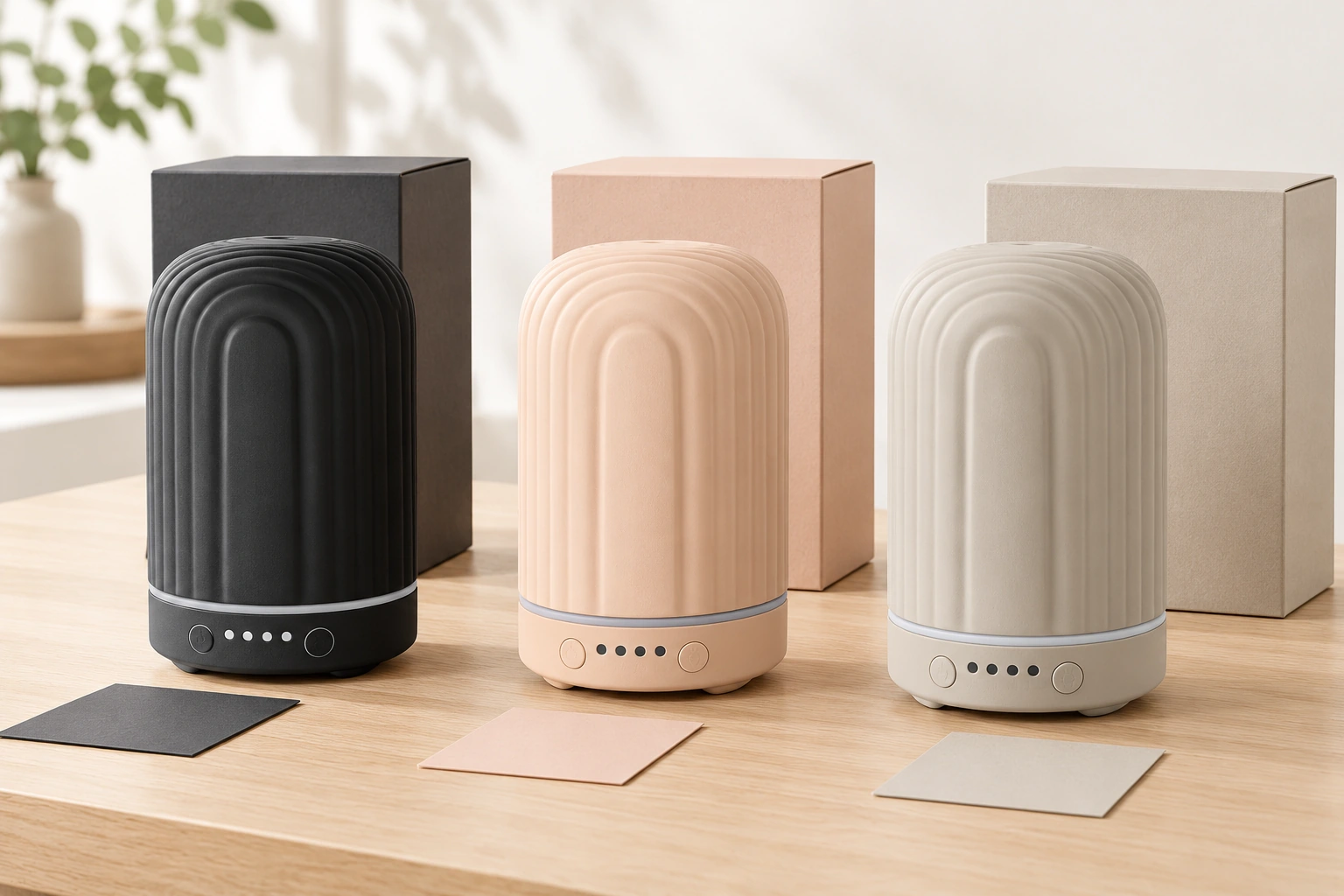
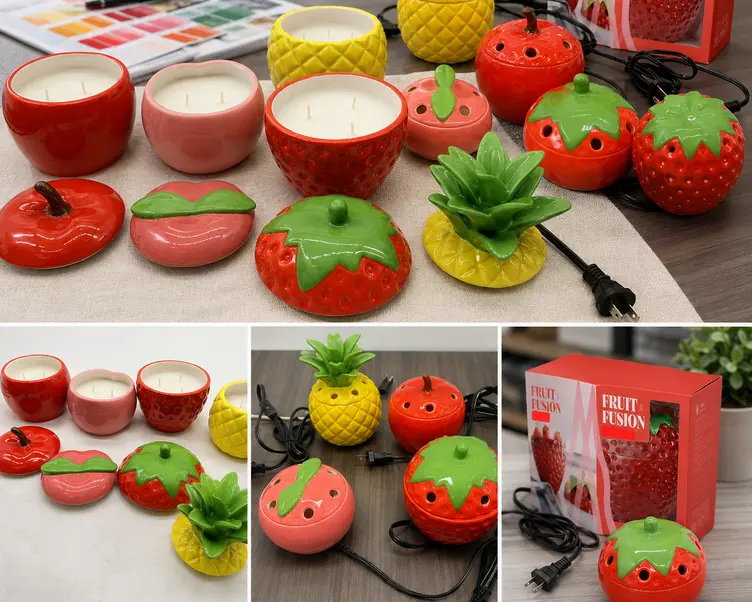
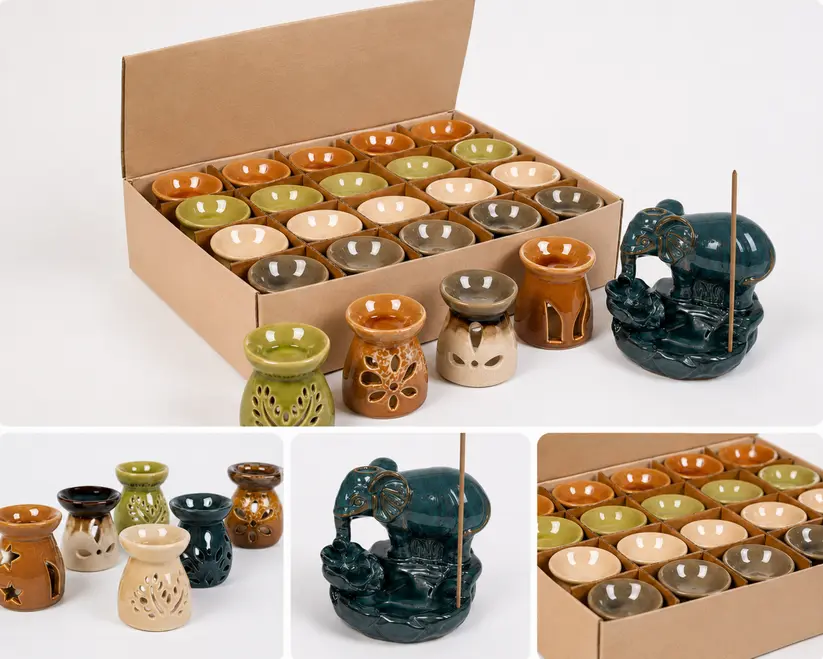
For a home decor collection, you may want several cover colours or decorative finishes, with matching packaging, using the same electronic unit. Ask whether the supplier can combine these versions in one production batch at the existing minimum order quantity (MOQ), or within a small total order.
Discuss the proposed mix with the supplier and request a quotation showing the total quantity and the quantity of each version. Confirm which cover finishes and packaging options can be combined, whether smaller splits add charges, and whether the mix affects the delivery schedule. A shared electronic unit gives the supplier a common starting point, but the available combinations still need confirmation for the order.
This helps you assess how flexibly the supplier can support your range. The useful outcome is an agreed assortment and price that suit your launch, with the sourcing and production arrangements coordinated by the supplier.
Can the supplier coordinate the different production schedules?

A decorative diffuser order may involve separate schedules for covers, electronic units and packaging. Green-Life frequently coordinates these factory schedules alongside product acceptance. A completion date for one component does not establish when the packed order will be ready.
Ask the supplier to explain the sequence for your order: which approvals are needed, which work can proceed in parallel, and when the parts must come together for assembly, inspection and packing.
The plan should allow incoming parts to be accepted before final assembly. Ask how rejected covers or components will be replaced or corrected, and what that would mean for completion of the order. If a product change affects packaging fit, the packaging also needs another check.
Ask when the supplier can confirm the schedule and how delays will be reported. A credible plan includes agreed checks and necessary correction, rather than treating a short promised lead time as sufficient evidence of delivery capability.
How does the supplier control quality and respond to problems?

Ask what the supplier will check during production and before shipment, who performs those checks, and how the results will be shared with you. For decorative ultrasonic diffusers, the inspection arrangements should address the exterior, the electronic unit and the assembled product. Establish who accepts the incoming covers and electronic units against the agreed requirements before final assembly begins.
For the cover, agree on expectations for colour, decoration, surface quality and workmanship. Reference samples, including examples at the acceptable limit where useful, help distinguish an intended variation from a defect. If sampling is used for acceptance, agree on the defect definitions, sampling plan and acceptance or rejection criteria.
For the working diffuser, confirm checks of the agreed mist modes, controls, lighting and low-water shut-off where specified, together with the electrical safety and operating tests appropriate to the design. Ask which checks are performed on each unit and which use samples. Then confirm how fit and operation will be checked with the decorative cover fitted.
The supplier’s response to a problem matters as much as the inspection list. Can they identify the affected pieces, explain the cause and arrange correction followed by another check? How will they keep an unapproved material, component or finish change from entering your order?
For Green-Life, weak quality control, failure to follow agreed requirements or deliberate reductions in materials or workmanship can be reasons to pause or end cooperation. For your own order, clarify what must be corrected before work or shipment proceeds, and check that the agreed action is actually carried out.
Have packaging and product documents been checked for your version?
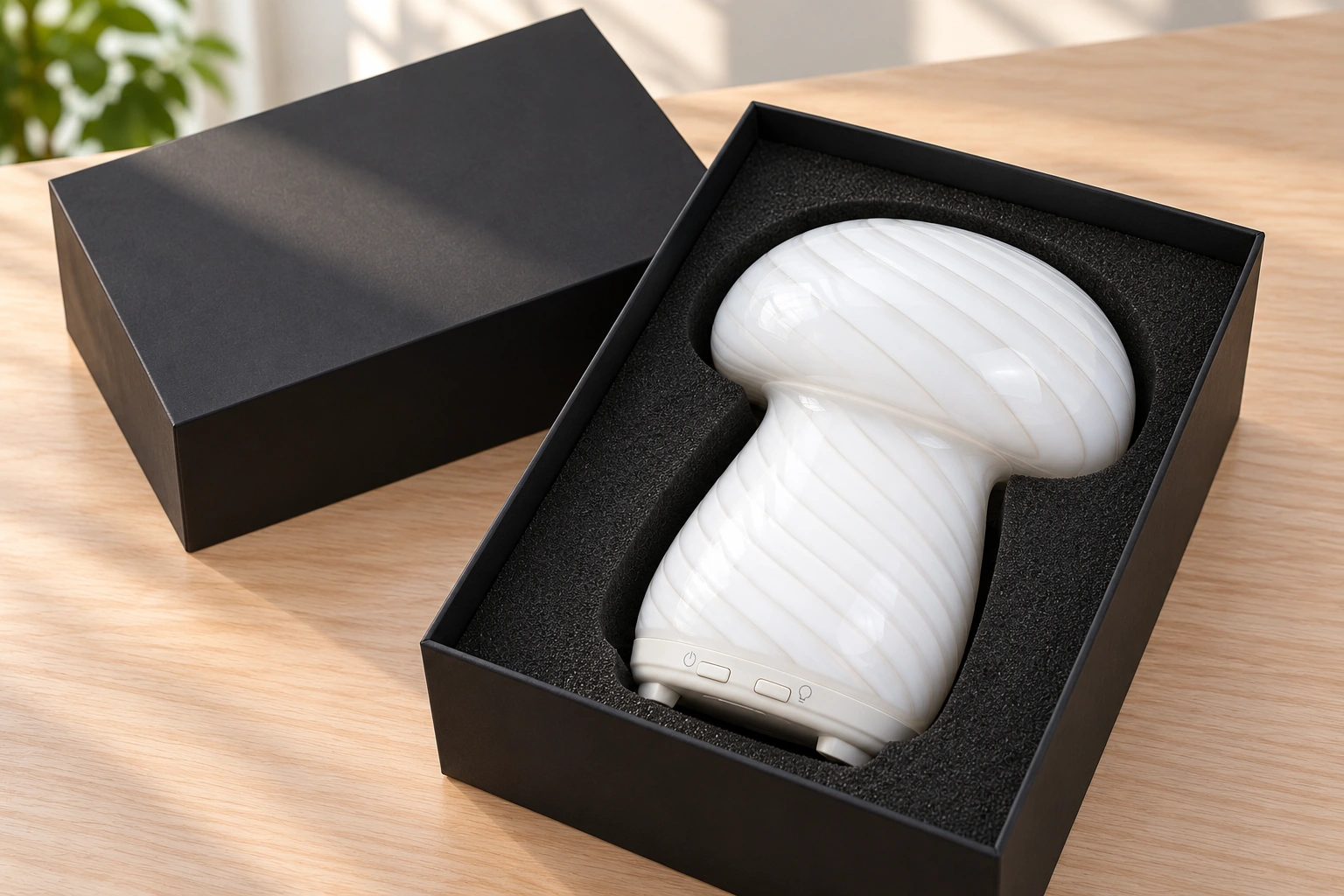
Ask to review the packaging with the assembled diffuser and its actual accessories. A decorative cover may have projecting details or surfaces that need protection, so the discussion should cover how the product is held, separated from accessories and protected during the intended shipment.
Request packaging verification suited to the product and its distribution route, including relevant drop or vibration testing. Confirm whether the assessed pack is the individual retail package, shipping carton or another shipping arrangement.[2] A presentation box can support the collection’s appearance, but the protective arrangement inside also needs attention.
Identify the supplied power adapter by model, input and output ratings, and plug version. Check which complete diffuser configuration and adapter the available reports and conformity documents cover, and what remains to be confirmed for your market. For a changed cover, adapter or circuit, ask what review is needed to establish whether existing documents cover the final version.
Resolve important gaps before committing to the order, including who will arrange any additional work and whether its cost and timing have been included.
What should be clear before you place the first order?
Use the supplier’s answers and sampling work to complete a short review:
| Area | What to establish |
|---|---|
| Existing model and quality | Evaluated sample, appearance limits, functional checks and agreed inspection arrangements |
| New development, if needed | Feasible proposal, development and tooling charges, design rights and permitted mould use |
| Cover and unit fit | Assembled sample, critical fit requirements and a method for checking production pieces |
| Assortment and MOQ | Confirmed cover and packaging mix, total and split quantities, price and any additional charges |
| Coordination | Schedule covering parts acceptance, assembly, inspection, packing and necessary correction |
| Complete delivery | Verified protective packaging and documents covering the agreed product and power adapter |
Resolve important gaps with the relevant sample, written confirmation or test evidence. For existing models, prioritise consistent quality and dependable fulfilment. For a new product, add proven development capability and clear agreements on the work and design assets involved.
Sources
[1] WIPO — Technology Transfer Agreements. https://www.wipo.int/en/web/technology-transfer/agreements. Accessed 25 October 2026. ↩
[2] ISTA — Test Procedures. https://ista.org/test_procedures.php. Accessed 25 October 2026. ↩