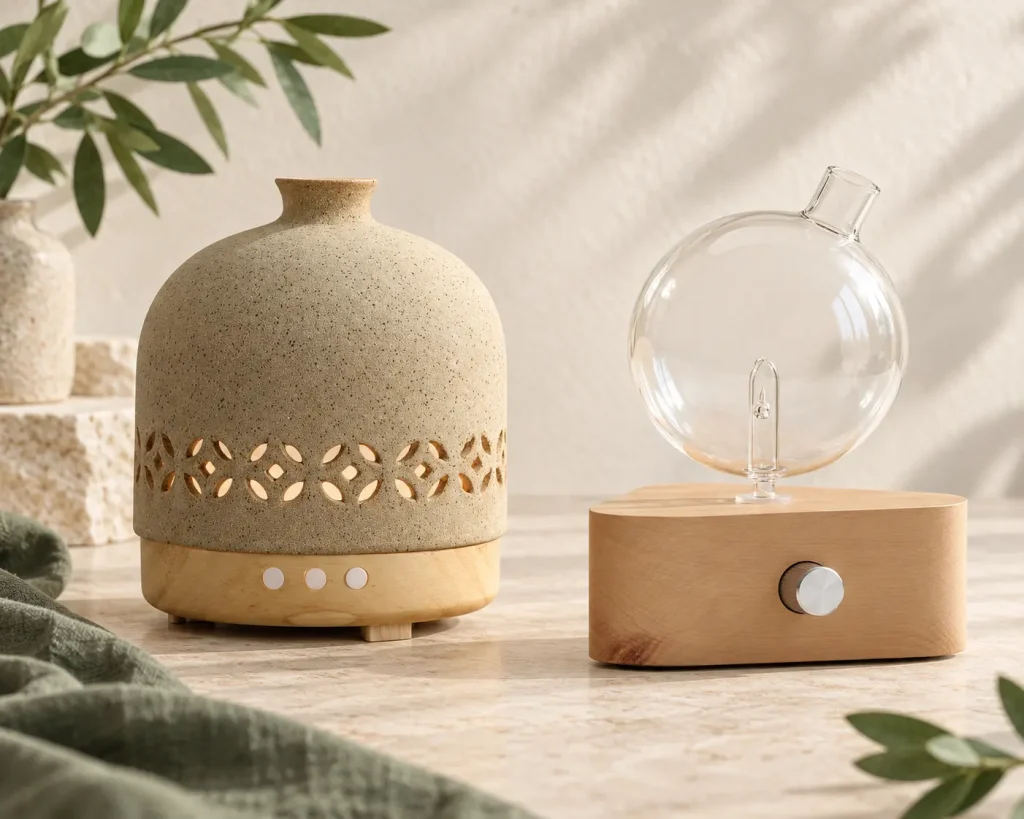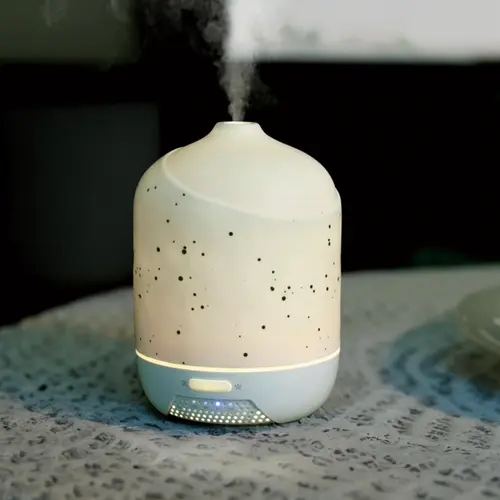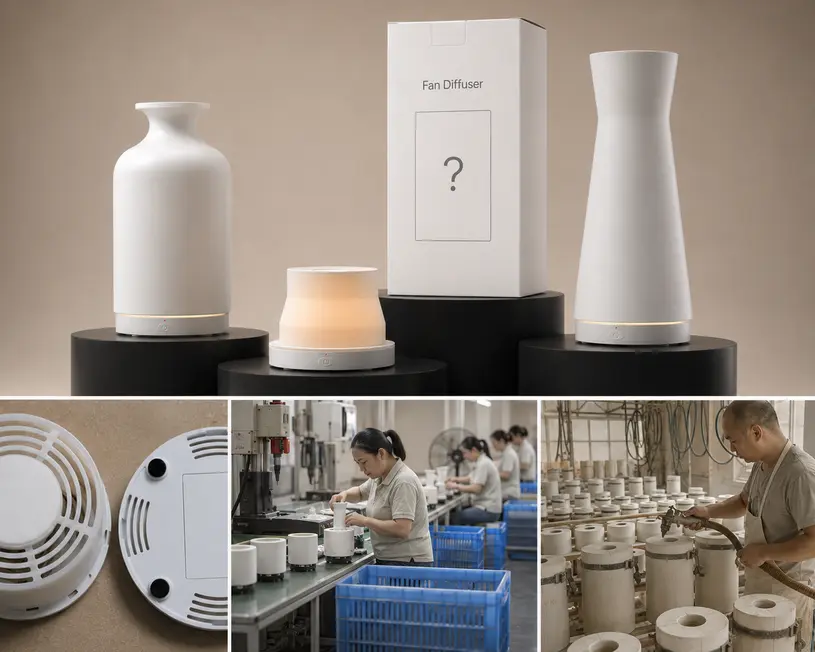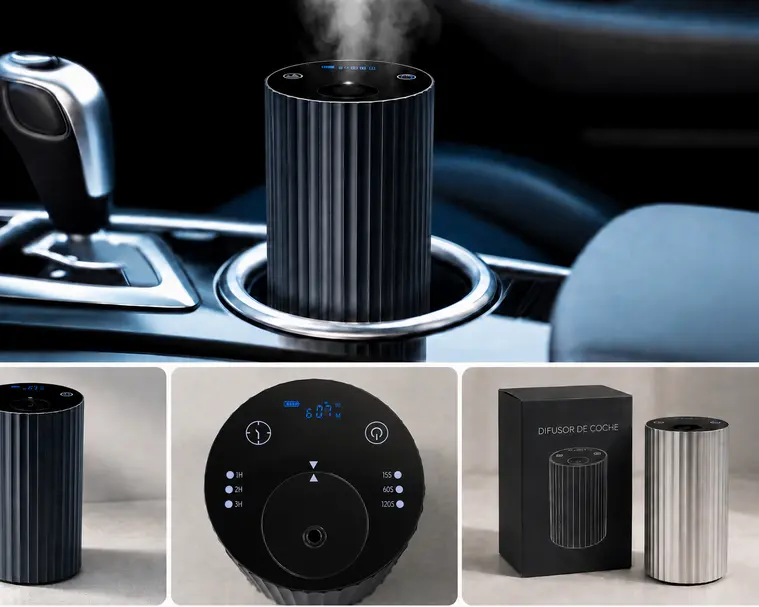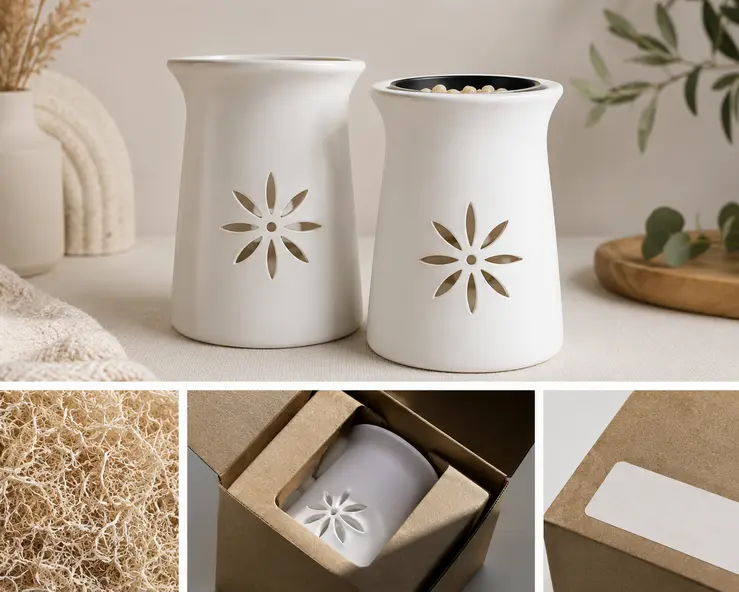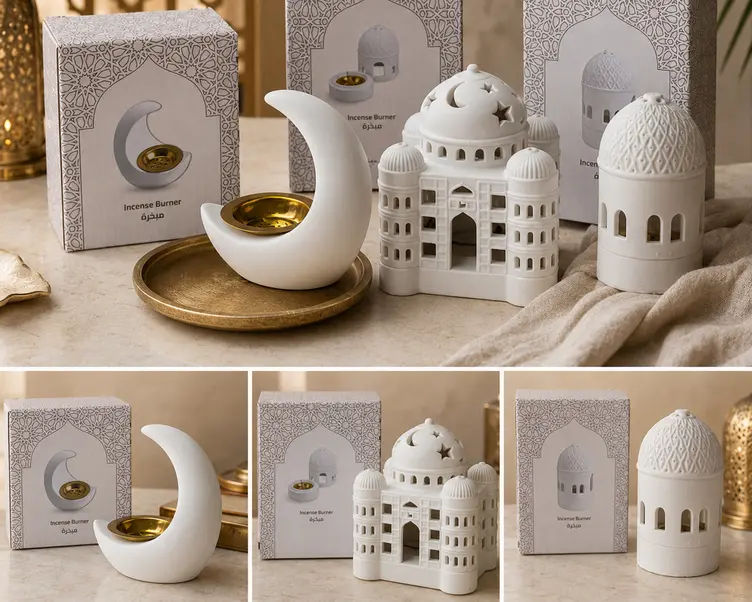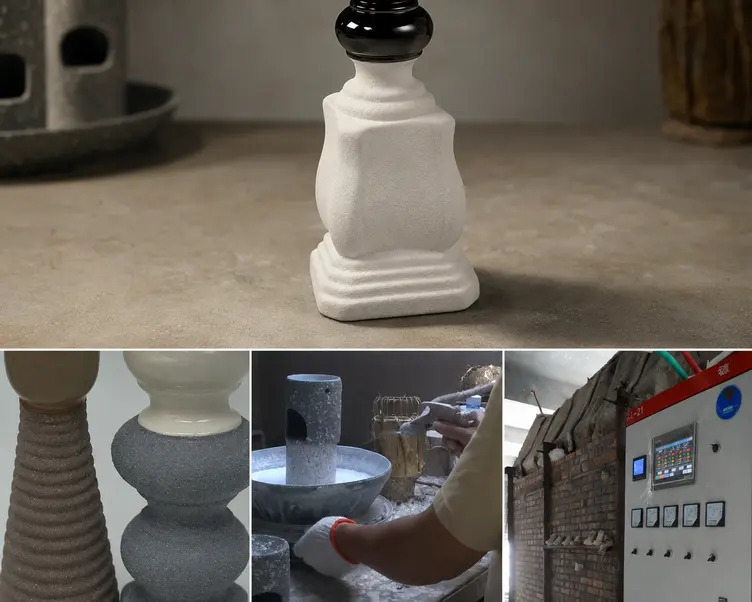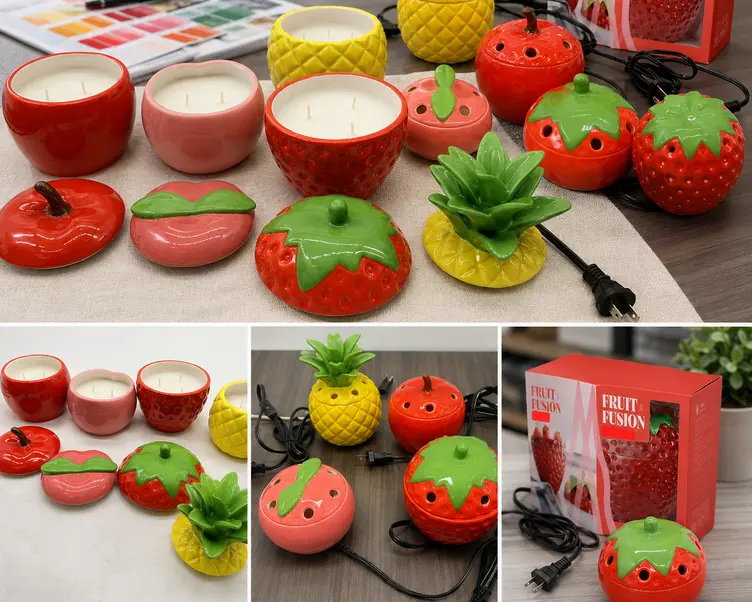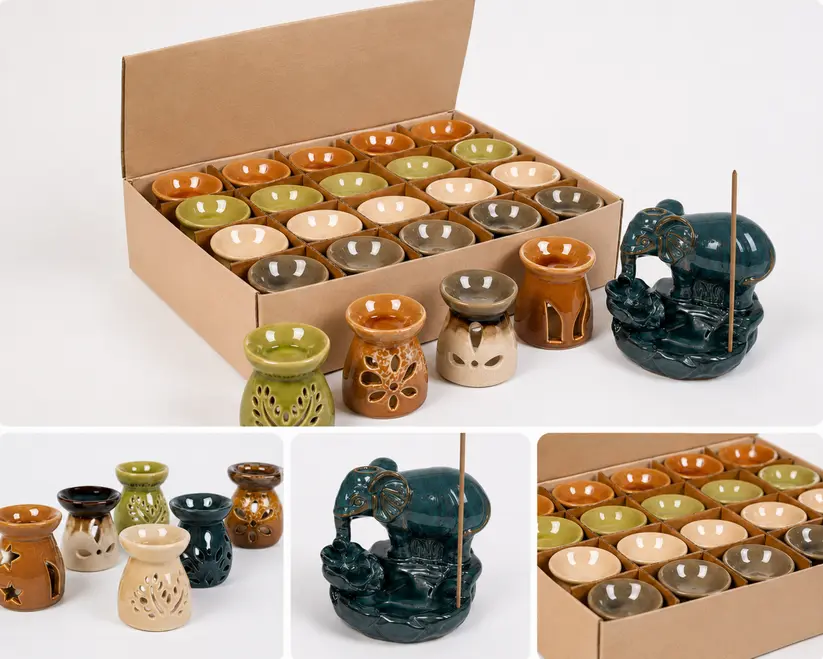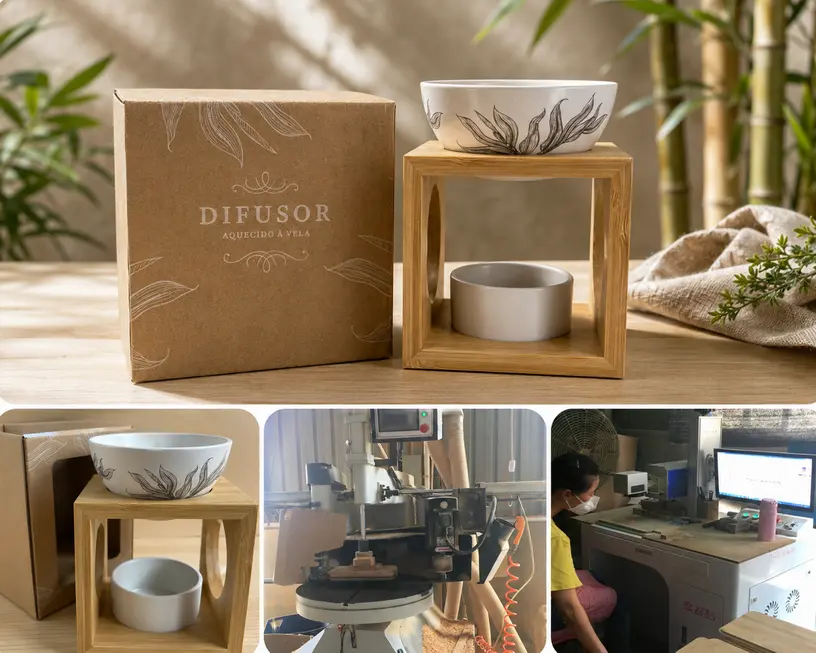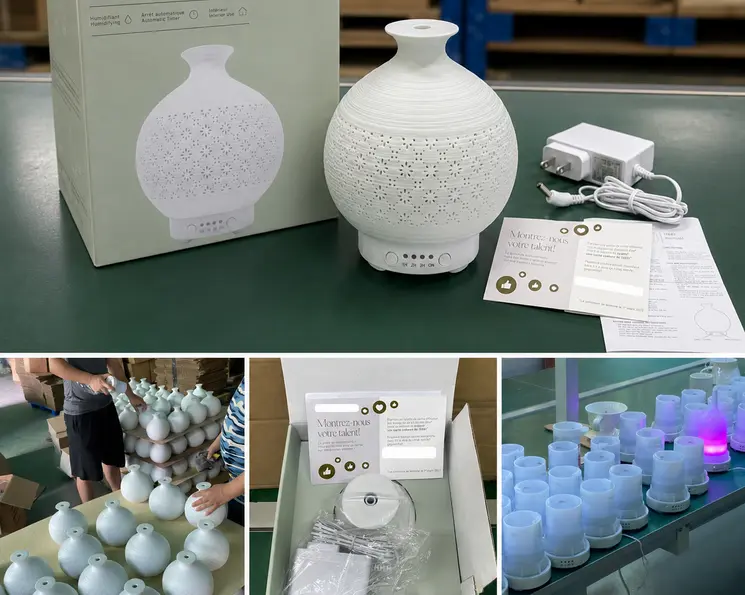
For home-fragrance brands extending an existing collection, a decorative ultrasonic diffuser needs to belong in the range. Its shape, material, colour and finish may matter more to the buying decision than a larger tank or a higher advertised room-coverage figure.
This changes how capacity and performance should be assessed. The aim is to select a distinctive fragrance product that complements the collection and works well in everyday use. Capacity, runtime and room suitability provide supporting information for that decision.
Start with the collection and the intended use
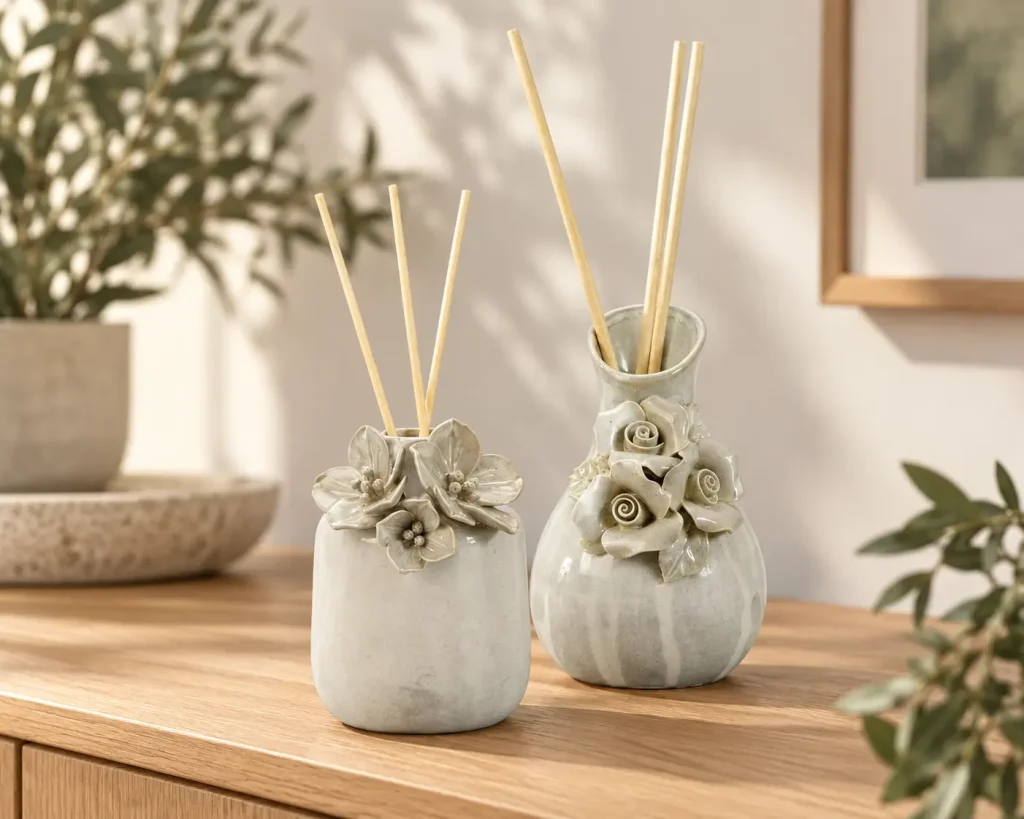
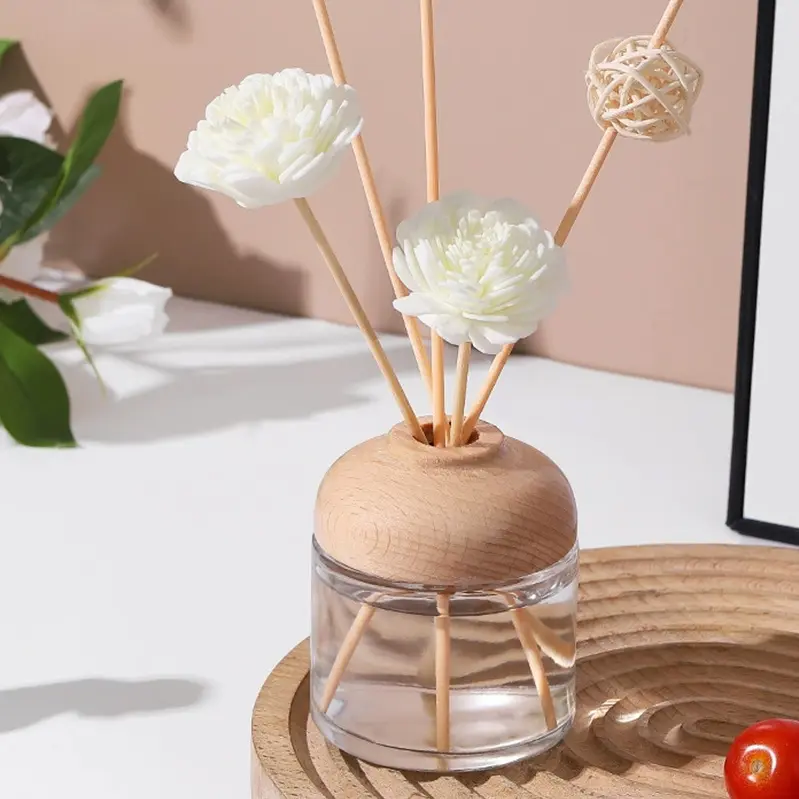
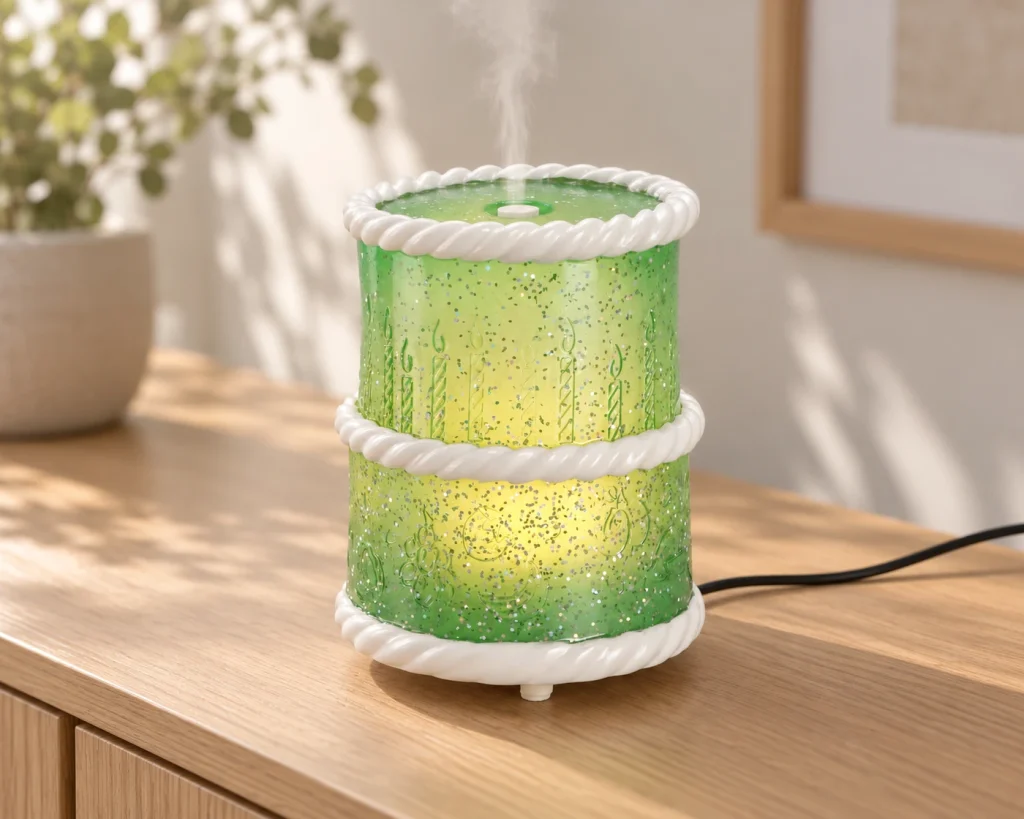
A brand may want a diffuser that sits naturally beside its candle vessels, reed diffusers or other home-fragrance products. Buyers can begin by reviewing whether the silhouette, proportions, colours and surface finish share the collection’s visual character. A coordinated range does not require every product to have the same shape, but the pieces should make sense together.
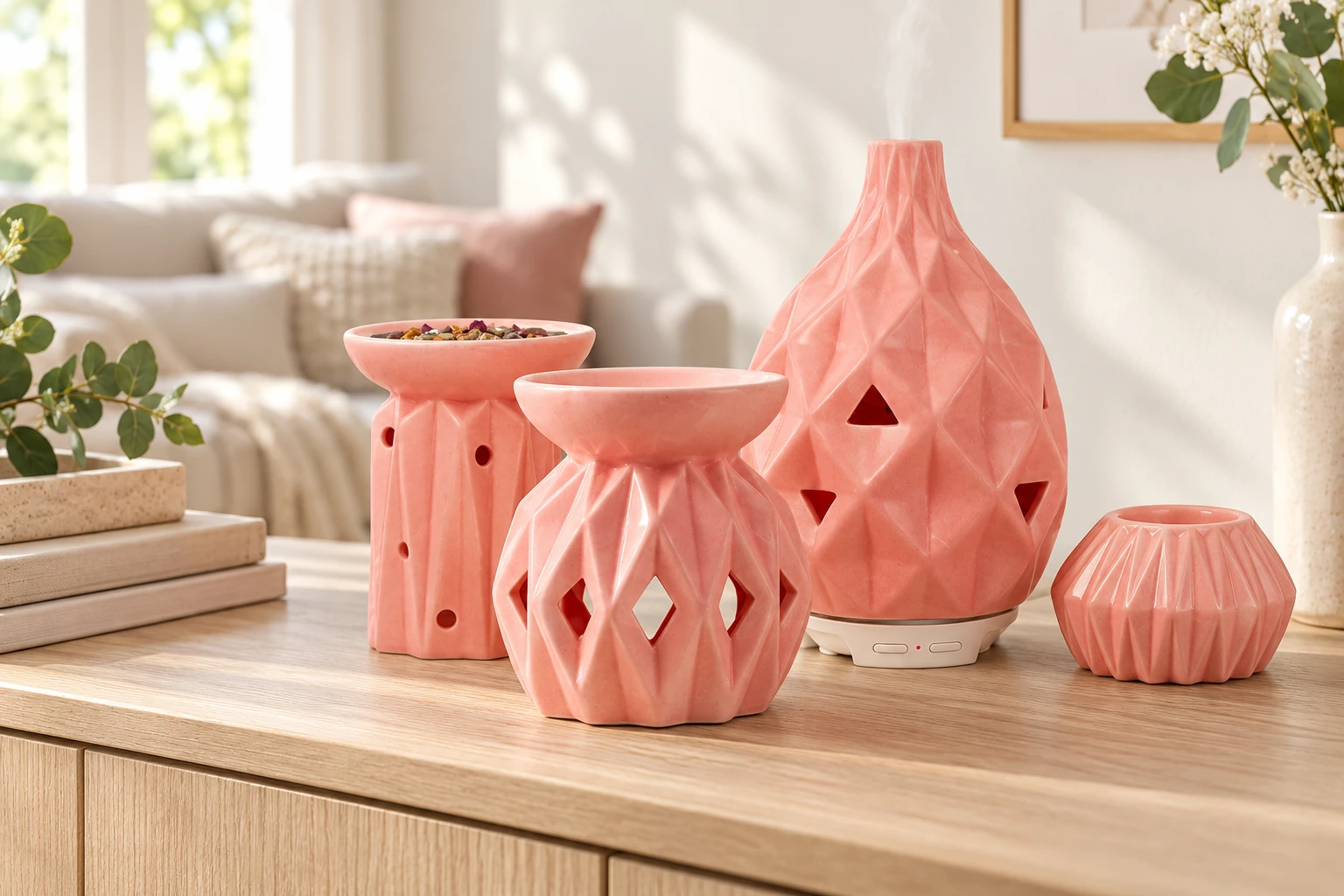
In Green-Life’s experience with decorative ultrasonic diffusers using non-plastic outer covers, water-tank capacities around 100 mL are common. This is an observation from the product segment Green-Life works with, rather than a market-wide statistic or a required specification.
“Non-plastic” here describes the decorative exterior. It does not mean that the internal water tank and all other components are plastic-free. Buyers should confirm the materials of the actual configuration.
For these products, a capacity around 100 mL should be considered in relation to the intended use and refill routine. It is not automatically a weakness. A brand does not need to pursue a larger tank if the selected design already offers suitable everyday performance and fits its collection.
These are fragrance products. Their selection should not be based on a humidifier’s room-humidification objective, nor should the presence of visible water mist be used to imply that the product will deliver a particular humidity level.
Use runtime to explain the customer routine
Once a design fits the range, check how it will be used: how much water to add, which mist modes are available, and how long a fill normally lasts in each mode.
Green-Life states continuous and intermittent runtimes separately in its specification sheets when both modes are available. Where a model offers high and low mist settings, the corresponding runtimes are also listed separately. This helps brands explain the product clearly without making the longest possible runtime the main selling point.
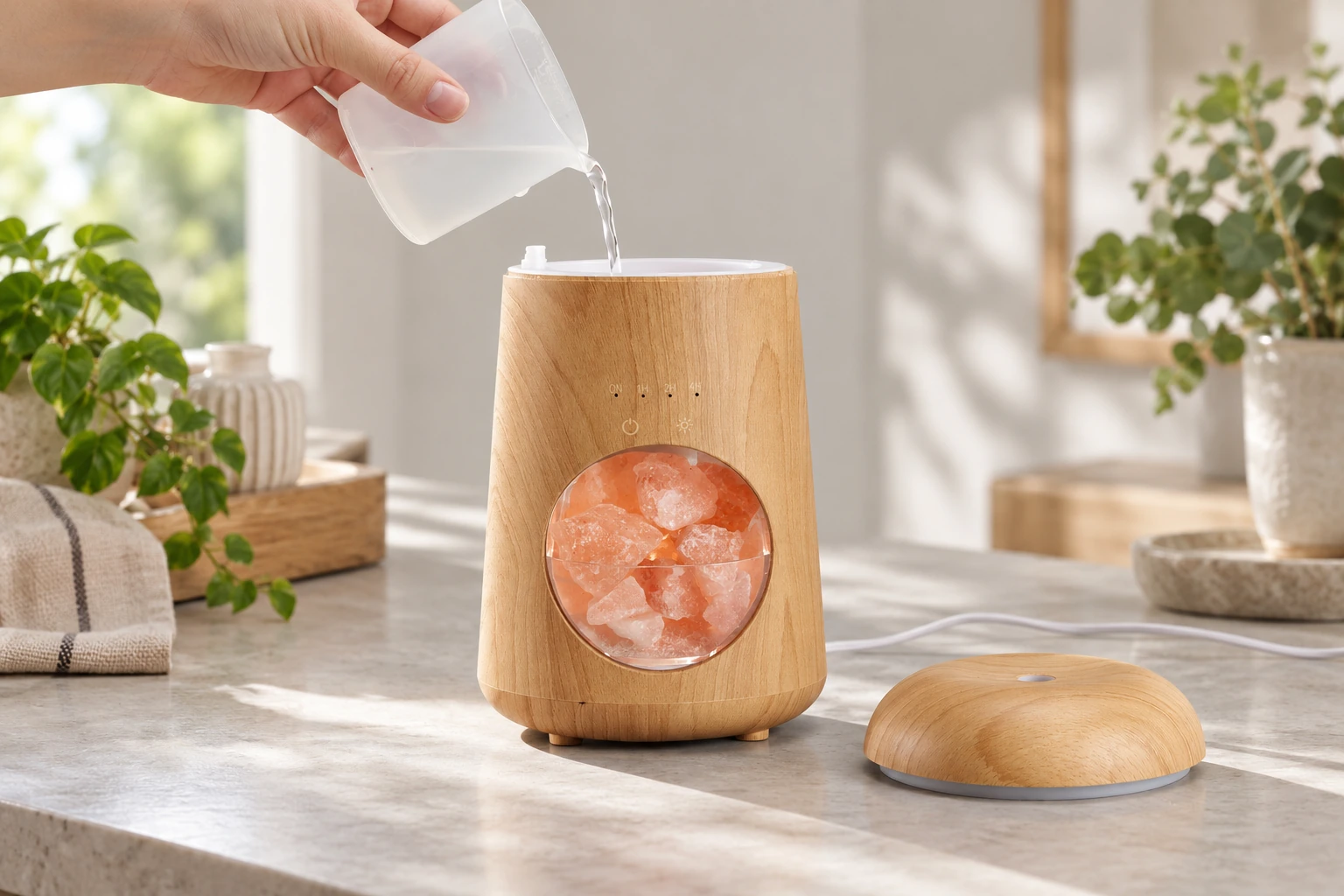
A timer setting and a runtime describe different things. The timer controls when the device is scheduled to stop; runtime describes operation under stated conditions. Confirm whether a quoted duration ends at a timer limit or when low-water protection stops the unit.
For intermittent operation, also state the mist/pause cycle. The total elapsed operating period includes pauses and is therefore different from continuous misting for the same number of hours.
Explain why water remains after automatic shutoff
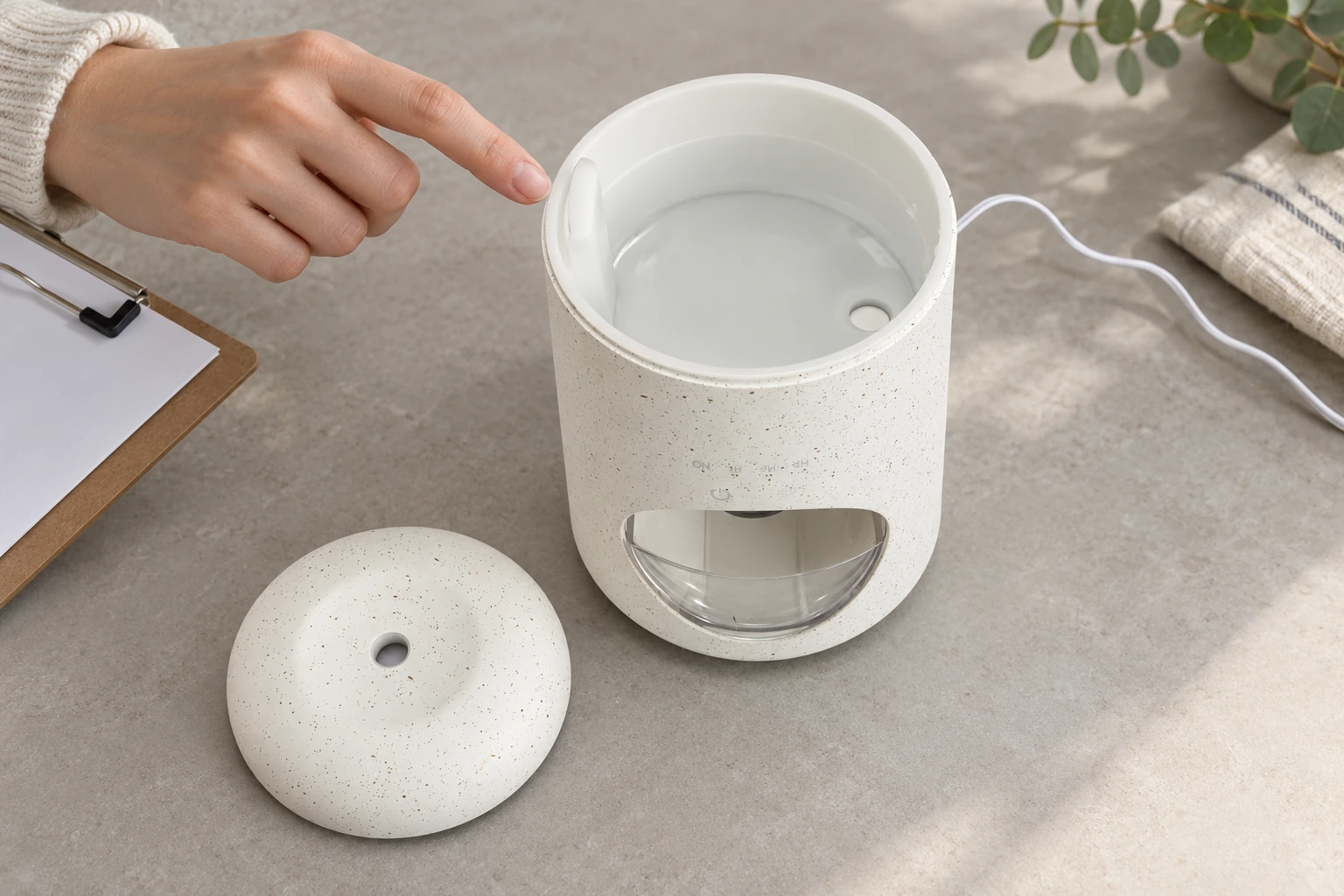
A more common customer question encountered by Green-Life is: “Why is water still inside after the diffuser has stopped because of low water?”
For the water-tank designs discussed here, the ultrasonic transducer disc, or atomizing plate, needs a suitable depth of water above it to produce mist properly. Low-water protection stops operation when the water falls below the model’s intended operating level, rather than waiting until the tank is completely dry. This helps prevent operation with insufficient water. Some remaining water is therefore normal and does not, by itself, indicate a fault.
The acceptable remaining quantity depends on the model’s tank shape and shutoff design. Green-Life checks remaining water during factory run testing to keep it within the normal limit for the model. A universal remaining-water limit would not suit every design.
If a sample stops with unexpectedly high remaining water, first check whether the timer ended or low-water protection was triggered, then compare the result with the model’s expected behaviour.
For consumer instructions, a short explanation is usually enough: a small amount of water may remain after low-water shutoff; empty it after use following the model’s instructions. Do not describe automatic shutoff as a promise that every drop will be consumed.
Verify everyday performance in the finished design
An attractive cover needs to be assessed as part of a functioning product. Review samples with the intended cover fitted, using the specified fill level and a compatible fragrance at the recommended dose.
Alongside the factory’s engineering test data, Green-Life simulates consumer use. It records mist-plume behaviour at different times, water consumption, runtime and whether the surrounding tabletop becomes wet. These observations help check that the finished product performs as expected during use, beyond its appearance in a photograph.
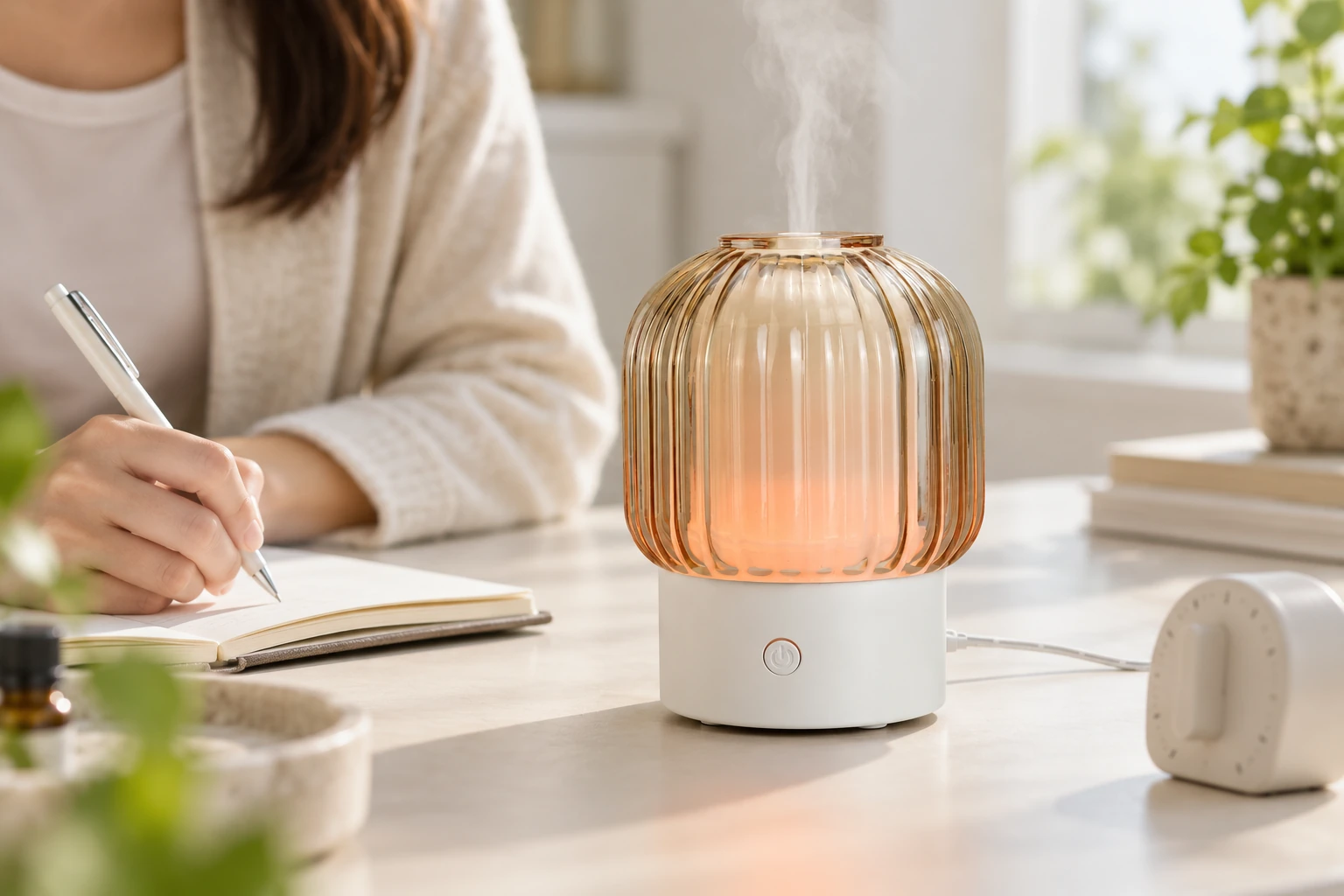
For brands, the useful questions are practical: is the mist reasonably consistent, do the modes behave as described, and does the product work well in the intended tabletop arrangement? A taller mist plume is not automatically a better result, and it does not measure how far the fragrance can be perceived.
Keep room-size information in proportion
For the decorative home-fragrance projects described by Green-Life, recommended room area is generally a supporting reference rather than the main selection criterion. It should still be presented responsibly when included in a specification or product description.
Green-Life mainly uses factory-recommended areas and cross-checks them against measured average hourly mist output to identify potentially overstated figures. This is a plausibility check, rather than a direct measurement of fragrance coverage.
The fragrance, dose, airflow, layout and placement can affect the scent experience. If a project has a specific space-performance requirement, evaluate the candidate in representative conditions. Otherwise, avoid turning an approximate room recommendation into a promise of uniform scent throughout every room of that size.
Bring design fit and operating information together
A concise sample review can keep the buying decision focused:
| Review item | What the brand should confirm |
|---|---|
| Collection fit | Shape, proportions, exterior material, colour and finish |
| Capacity and use | Permitted fill and a refill routine suited to the intended use |
| Modes and runtime | Separate information for continuous/intermittent and high/low settings, where available |
| Low-water shutoff | Expected operation and a clear explanation of normal remaining water |
| Everyday performance | Mist behaviour over time, runtime and nearby wetting |
| Room reference | Basis and limitations of any stated area, where relevant |
For a decorative ultrasonic diffuser, the right choice brings a distinctive design into the brand’s range while delivering the everyday performance its specification describes. Clear operating information supports that choice and helps the brand explain the product accurately after launch.